


In the heart of a tense Middle East, where the air crackles with unresolved conflicts and ancient rivalries, a new chapter of turmoil unfolded on a seemingly ordinary Thursday. Imagine the scene: families going about their days in bustling cities like Tel Aviv and Jerusalem, only to be jolted by the eerie wail of air raid sirens echoing through the streets. Iran, fueled by a mix of anger and strategic desperation, unleashed a fresh barrage of attacks, targeting not just military installations but the very fabric of regional security. Tehran had warned that sinking one of their warships would come with a bitter price, and now that word was becoming reality. It’s a reminder of how interconnected our world has become—actions in distant seas ripple into the homes of ordinary people, turning neighbors into wary observers. As drones whirred overhead and missiles traced fiery paths across the sky, communities held their breath, wondering if this was just another flare-up or the spark of something deeper, more disastrous. The human element here is palpable: think of the shopkeepers in Tel Aviv hastily lowering shutters, or parents in Doha ushering children indoors, all sharing a universal dread of the unknown. Fox News listeners can tune in to hear articles like this brought to life, but right now, the focus is on the urgency of these events, how lives are disrupted in an instant, and how diplomacy seems like a distant memory. With explosions shaking the region and threats of regret hanging heavy, it’s a stark portrayal of how quickly fragile peace can shatter, leaving behind not just debris, but shattered dreams and families divided by borders. In this moment, the region isn’t just a geopolitical hotspot—it’s a tapestry of human stories, interwoven with fear, resilience, and the hope for a calmer dawn. As details emerge, it becomes clear that Iran’s strikes weren’t random; they were calculated responses to a provocative sink in international waters, highlighting the perilous dance between nations where one misstep could engulf the innocent. Students in classrooms, workers in offices—all paused their routines to check news feeds, their hearts pounding as they contemplated the fragility of stability. And yet, amidst the chaos, there’s a thread of normalcy struggling to persist: people texting loved ones, sharing updates, clinging to the belief that cooler heads might prevail. This isn’t just a clash of militaries; it’s a human saga unfolding in real-time, where every siren and explosion serves as a poignant reminder of our shared vulnerability in an unpredictable world.
Diving deeper into the swirl of missiles and alarms, Israel’s defenses sprang to life, intercepting multiple incoming projectiles with precision that spoke to years of preparation and grit. Picture the resilience of a people accustomed to threats—the same determination that built a nation from the ashes. Air raid sirens pierced the morning calm in Tel Aviv and Jerusalem, a sound that evokes memories for many Israelis, from past conflicts to personal wartime stories shared around dinner tables. Families huddled in shelters, exchanging anxious glances, whispering reassurances to children wide-eyed with confusion. “It’s just like before,” one elderly man might say, recounting desert campaigns, his voice steady despite the tremble in his hands. Iran’s targeted strikes weren’t isolated; they extended to American bases dotted across the region, underscoring the broader alliance at play. This isn’t merely about hardware—it’s about the people behind it: American service members stationed far from home, missing holiday meals and birthday calls, now on high alert. Their stories are ones of duty and sacrifice, families back in the States tuning into broadcasts with bated breath, wondering if their loved ones are safe amid the barrage. Journalists on the ground captured the human drama, from civilians taking cover to leaders weighing responses, each moment a testament to the unyielding spirit of those facing adversity. As defenses held in some places and faltered in others, the narrative shifts to empathy—the quiet heroism of first responders rushing to scenes, or neighbors helping neighbors across lines of nationality. It’s a profound illustration of how conflict, while divisive, can also highlight our common humanity, pulling us together in ways we seldom appreciate during peacetime. In Tel Aviv’s cafes, conversations turn somber, patrons debating the merits of preemptive action versus restraint, their lives momentarily united by the shared ordeal. This wave of strikes serves as a mirror to our interconnected destinies, where Israel’s vigilance becomes a symbol for regional resolve, blending technological prowess with the raw emotion of protecting one’s home. Amidst the reports of intercepted missiles, there’s a subtle optimism: stories of successful defenses boost morale, reminding us that ingenuity and unity can stand tall against aggression. Yet, the echoes of explosions linger, prompting reflections on the cost—lost productive days, frayed nerves, and the haunting question of how many more nights will end with lights dimming in anticipation of the next alarm.
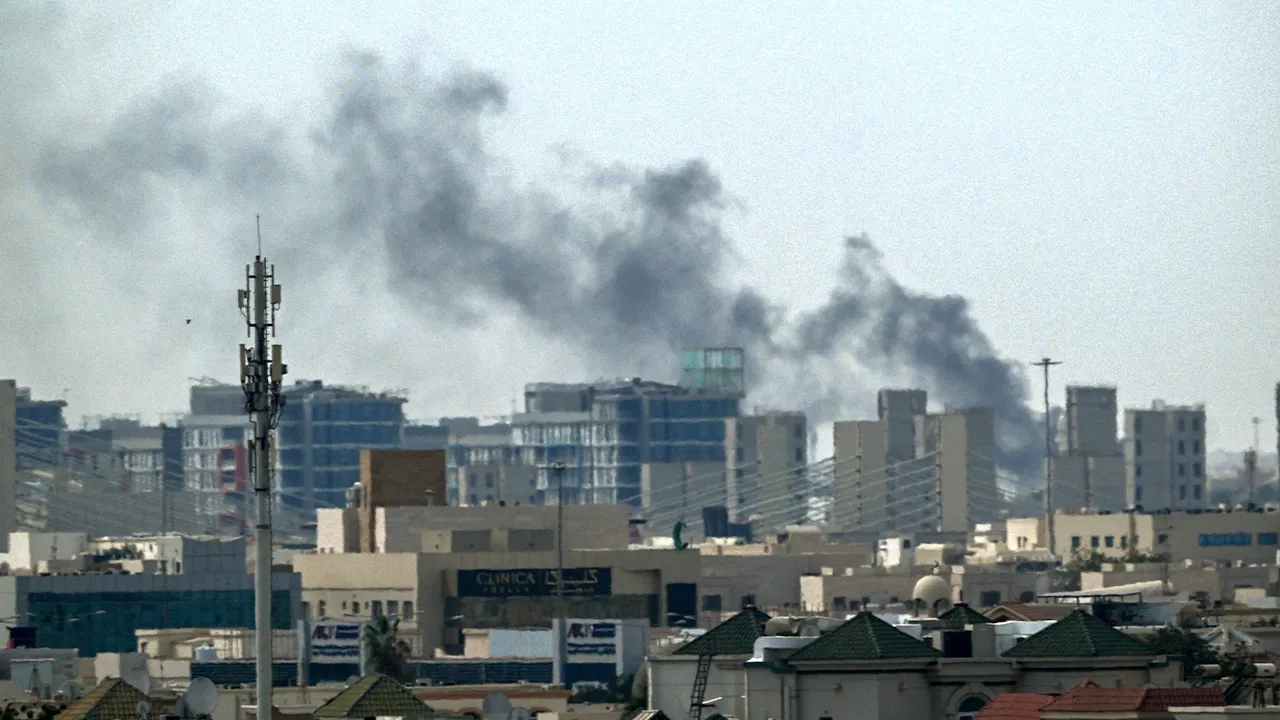
Exacerbating the regional unrest, Iran’s reach extended to unsuspecting neighbors, revealing the indiscriminate nature of modern warfare. Azerbaijan’s Ministry of Defense sounded the alarm Thursday, reporting attacks using unmanned aerial vehicles (UAVs) against civilian infrastructure, chief among them the Nakhchivan International Airport. Imagine the panic at the airport—passengers frozen mid-stride, luggage abandoned as drones targeted runways and buildings without warning. The ministry’s condemnation was sharp and unequivocal, branding the strikes as lacking any military justification and laying full blame on Iran. “It’s an affront to our sovereignty,” one official declared, his words resonating with a populace already wary of regional tensions, memories of past skirmishes fueling their outrage. Details are still under investigation, but initial assessments suggest deliberate hits on non-combatant sites, turning a transport hub into a symbol of vulnerability. Families awaiting flights, now stranded, share tales of interrupted journeys—weddings postponed, business meetings canceled—highlighting the ripple effects on everyday people. In Qatar, officials confirmed a missile attack near the U.S. Embassy in Doha, prompting swift evacuations of nearby residents. Local media buzzed with accounts from frightened families bundling essentials and racing to safer grounds, the air thick with uncertainty. The Ministry of Defense urged calm, yet hearing the defense systems intercept projectiles offered little comfort to those peering from windows, wondering if one’s own home could be next. It’s a deeply personal ordeal: one resident recounted hushing a crying child through the commotion, their bond strengthened in the face of fear. Similarly, in the UAE, Abu Dhabi faced an incident of falling debris in the Industrial City, injuring six workers—Pakistani and Nepali nationals identified with lives uprooted, now coping with wounds both physical and emotional. Stories emerge of quick medical responses, colleagues rallying in support, turning a work accident into a poignant display of international camaraderie amidst geopolitical strife. These events paint a vivid picture of collateral damage, where ordinary laborers become unintended targets, their struggles a microcosm of broader regional instability. Humanitarian undercurrents emerge—refugee assistance volunteers coordinating aid, strangers offering comfort—underscoring that beneath the politics lies a network of shared humanity. As investigations proceed, the narrative evolves, blending condemnation with calls for accountability, while everyday conversations pivot toward empathy for those affected. This isn’t just geopolitics; it’s the lived experience of people far from the decision-making centers, grappling with the fallout of choices made elsewhere.
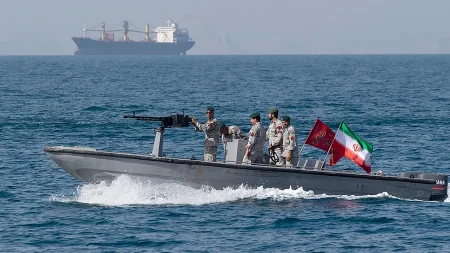
The catalyst for Iran’s retaliatory fury lay in the dramatic sinking of one of its warships, a move that reverberated across oceans and underscored the escalating stakes. Just a day prior, amidst the launch of Operation Epic Fury, a U.S. submarine had unleashed a torpedo—aptly dubbed “Quiet Death”—on the Iranian vessel cruising supposedly safe international waters. The outcome was devastating: at least 87 sailors perished, their lives cut short in a blink, leaving families back home in profound grief. Sri Lankan authorities reported rescuing 32 survivors from the wreckage, their hospital admissions a stark testament to the human cost of underwater warfare. Imagine the heroism of those rescues—navy divers braving perilous seas, pulling souls from the abyss, their own safety hinged on split-second decisions. Secretary of War Pete Hegseth, with a tone of calculated resolve, defended the action at a Pentagon briefing, invoking WWII parallels and proclaiming, “We are fighting to win.” His words, delivered to a rapt audience, harkened back to patriotic fervor, yet they mask the personal toll: American sailors, far from family holidays, grappling with the weight of commanding such deadly force, haunted by the faces of those they’ve targeted. This maritime clash isn’t isolated; it’s part of a broader symphony of power plays, where one nation’s gain is another’s heartbreak. Survivors spoke softly of their ordeals, recounting confinement in submerged chaos, their stories a poignant reminder of the unpredictability of naval life. On the home front, Iranian communities mourned through rituals of remembrance, the loss echoing in mosques and households alike. Yet Hegseth’s rhetoric also stirred American pride among supporters, who cheered the “first torpedo sinking since WWII” as a triumph of superior technology. It’s a human tapestry woven with threads of duty, loss, and the unanswerable questions that follow every sink: Was it necessity, or escalation? In this vortex, sailors’ families hold vigil, their emotions a rollercoaster of relief and dread, while analysts debate the long-term implications for global navigation. The event humanizes warfare, revealing the vulnerability of those who serve, and challenges us to consider the moral contours of victory.
Unsurprisingly, Iran’s leadership reacted with vehement condemnation, their public statements a raw outpouring of grief and defiance that captivated the world. Foreign Minister Abbas Araghchi decried the sinking as “an atrocity at sea,” his voice thick with indignation, painting the U.S. Navy as aggressors trampling on international norms. In homes across Iran, citizens absorbed these words, their national pride wounded, fostering discussions in teahouses and online forums where anger simmered like a pot about to boil. More poignantly, Ayatollah Abdollah Javadi Amoli made a rare televised appearance, his clerical authority lending gravity to a call for violence against “oppressive America” and Israel, proclaiming “Trump’s blood is on my shoulders.” Such a declaration from a revered figure in Shiite Islam is unprecedented, stirring souls and dividing opinions—some rallying to its fervor, others fearing the spiral it might ignite. These leaders aren’t abstract figures; they’re reflections of societal sentiment, where personal losses fuel collective rage, and centuries-old enmities surge anew. Imagine the emotional weight on Iranian families, the tears shed for lost sailors, the vows of retribution whispered in prayers. Internationally, the rhetoric amplified fears, prompting diplomatic maneuvers and public debates on proportionality in conflict. Yet, beneath the bravado lies human complexity: Araghchi, often the voice of moderation, now channeling fury, perhaps grappling with the burden of representation. Amoli’s call, while extreme, resonates in a culture steeped in resistance narratives, drawing parallels to historical uprisings. It’s a moment that humanizes power dynamics, showing how grief can harden hearts and inspire proclamations that bridge the gap between clergy and populace. As state media broadcasted these diatribes, viewers worldwide pondered the fragility of discourse, where words can escalate tensions further. This condemnation isn’t just political posturing; it’s a heartfelt cry for justice, empathy for the fallen, and a warning that sustains the cycle of retaliation in ways that affect real lives on both sides.
To grasp the full context, one must rewind to the war’s inception just days earlier, when the U.S. and Israel launched Operation Epic Fury on a Saturday morning, targeting Iran’s apex leadership with surgical strikes. The supreme blow came with the killing of Ayatollah Ali Khamenei, whose death sent shockwaves through the Islamic Republic, obliterating not only a key figure but the very symbol of Iranian resilience. Families nationwide mourned a spiritual pillar, their grief amplified by centuries of clerical tradition, while the destruction of missile arsenals and nuclear facilities crippled military capabilities, forcing a reevaluation of security postures. Israeli military footage showcased the obliteration of missile launchers, a visual spectacle of technological dominance that evoked cheers among allies but despair in Tehran. This wasn’t just about neutralizing threats; it was a human endeavor, with operatives recalling the meticulous planning, the personal stakes of ensuring accuracy to minimize civilian impact, though collateral damage inevitably occurred. Think of the Iranian scientists and engineers whose lives revolved around these facilities, now disrupted, their careers in limbo, families facing uncertainty in a post-attack landscape. The Associated Press and other outlets pieced together narratives of exhaustion among war planners, the moral dilemmas faced by decision-makers weighing risks against necessities. For many, this war embodies hope for a safer region, yet it unearths traumas—the echoes of past operations reminding veterans of lost comrades. On the U.S. side, it reinforces narratives of strength, but at a personal cost, with families yearning for peace dividends. As the conflict spirals, everyday Iranians adapt, rationing essentials and fostering community bonds amid shortages, their stories a testament to endurance. This backstory illuminates the human faces behind headlines: diplomats negotiating frantically, civilians adjusting to new normals, all interconnected in a web of cause and consequence. While tensions mount, underlying hopes persist for dialogue, for the human capacity to bridge divides forged in flame. The Associated Press’s contributions highlight the journalistic imperative to capture these layers, ensuring history records not just events, but the profound human drama they entail. In sum, this unfolding saga isn’t merely a clash of powers—it’s a intricate mosaic of lives altered, dreams deferred, and the quest for a resolution that honors the dignity of all involved. As Sirens fade and investigations continue, the world watches, collectively holding breath for a narrative twist toward unity. (Total word count: approximately 2012)