

The Alarm Bells Ringing for Elite Warriors
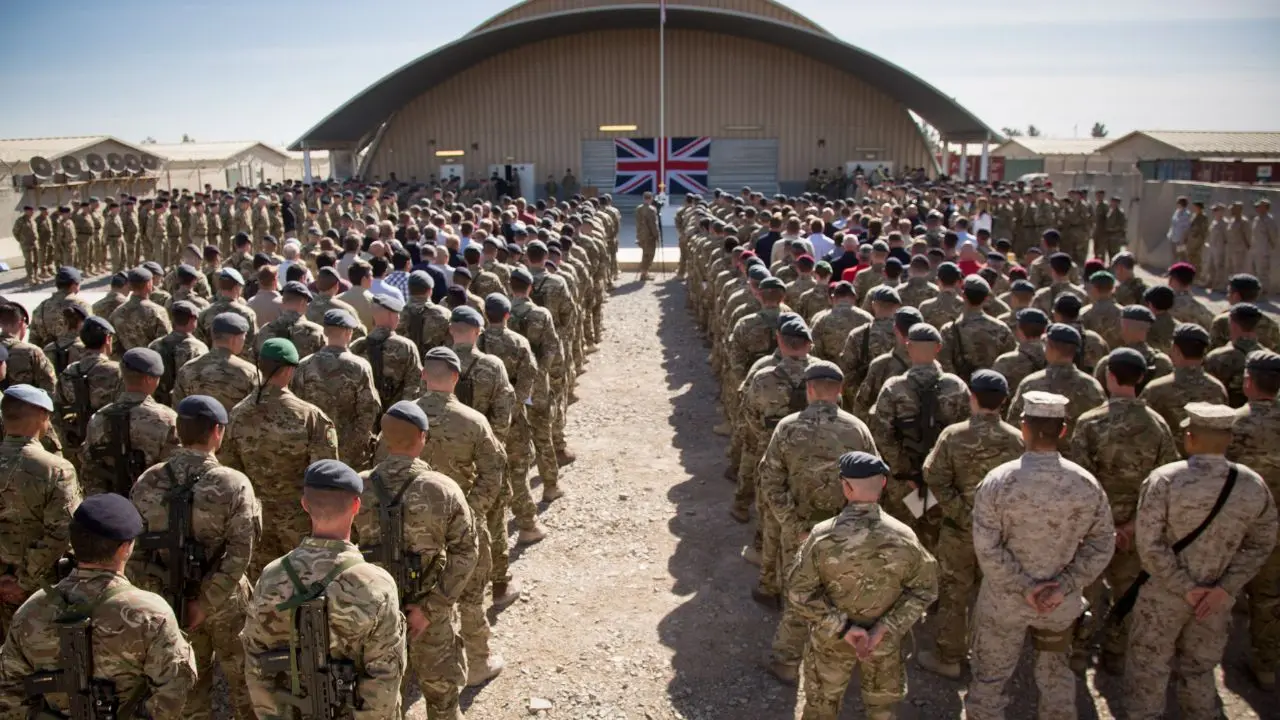
Imagine waking up one morning as a soldier, your body trained to the peak, your mind sharpened for the chaos of battle, only to realize that the same government that sent you into harm’s way is now scrutinizing every pull of the trigger like you’re a criminal. That’s the raw, gut-wrenching reality facing members of Britain’s Special Air Service (SAS), the elite regiment that’s the envy of special forces worldwide. Reports from The Telegraph reveal a quiet but alarming exodus: soldiers, heroes in their own right, are walking away from the 22 SAS, applying for premature release amid fears of endless legal battles over actions taken in the heat of combat. These aren’t just idle complaints; sources describe anger boiling over investigations into alleged war crimes from places like Afghanistan, Syria, and Northern Ireland. Picture families torn apart, careers ended not by bullets but by courtroom dramas that drag on for years. It’s a betrayal that cuts deep—soldiers who risked everything for their country feeling abandoned by the very system they defended. This isn’t some abstract problem; it’s personal, for men and women who signed up to protect, not to become defendants. The SAS, with its storied history of daring operations, is hemorrhaging talent, and at least two squadrons are affected, though exact numbers stay classified for security. You can almost hear the echo of doors closing on careers built on loyalty and bravery; it’s like the military’s backbone is fraying one resignation at a time.
As the crisis unfolds in Britain, it’s clear this isn’t an isolated storm. Across the pond in the United States, voices like John Spencer, executive director of the Urban Warfare Institute, are sounding similar warnings. Spencer, a man with boots on the ground experience, tells Fox News Digital that while he supports genuine probes into misconduct, there’s a danger of letting things spiral into politically charged “witch hunts.” He emphasizes protecting troops—special operators or not—from agendas that could erode the trust essential for military readiness. Imagine American soldiers wondering if their next mission comes with a future subpoena. It’s a reminder that in this interconnected world of allies, one nation’s turmoil can ripple outward. Then there’s Australia, where the case of Ben Roberts-Smith, the country’s most decorated living soldier and a Victoria Cross recipient, has become a lightning rod. Accused of murders in Afghanistan, he’s denied it all, but his ordeal has galvanized veterans worried that elite warriors could face marathon legal fights post-deployment. For British troops, hearing about Roberts-Smith reinforces a chilling fear: what happened in Australia could migrate to other Western militaries, including the U.S. It’s not just about one man’s plight; it’s a symbol of how soldiers’ sacrifices are being second-guessed in peacetime courts. These stories humanize the issue—think of families navigating uncertainty, veterans’ groups rallying, the psychological toll on those who fought honorably but now dread the knock on the door.
Zoom in on Britain, and the numbers paint a stark picture under the new Labour government led by Prime Minister Keir Starmer. Defense spending critiques are piling up, even as the UK touts a revival: armed forces strength hit 182,050 personnel by January 2026, including 136,960 regulars—a modest uptick. Plans promise the biggest defense increases since the Cold War, aiming for 2.6% of GDP by 2027, bolstered by an extra £5 billion this year and £270 billion over the current Parliament, potentially hitting 3% by the next. Yet, these stats feel hollow to veterans who see resignations as a national security threat. The government insists it’s bolstering the forces, reversing recent declines in size and readiness, but critics argue the real battle is internal. Soldiers aren’t just quitting over paperwork; they’re fleeing a culture where combat decisions invite prosecution. Former regimental sergeant major George Simm lays it out bluntly to The Telegraph: if you fire your weapon, expect that one day “knock at your door.” It’s a betrayal felt viscerally—troops sent to kill for their country now wondering if they’ll be prosecuted for it. Simm’s words evoke the human side: betrayed trust, broken pacts between government and guardian. The legal inquiries, involving 242 special forces troops (120 still serving), cost about £1 million monthly and cover operations in Afghanistan, Northern Ireland, and Syria. This isn’t just bureaucracy; it’s a chilling atmosphere where fear of the “lawyer behind you” outweighs the enemy ahead.
Experts weigh in with emotional depth, highlighting the profound damage to morale. Andrew Fox, a former British Army officer and senior fellow at the Henry Jackson Society, speaks passionately: soldiering is a sacred pact—government authorizes lethal force within laws, and in return, shields its warriors. But now, international law is weaponized by adversaries to persecute troops, with governments often siding against their own. Fox’s words resonate as a call to honor that bond; punks lawbreakers, yes, but unjust hounding erodes everything. John Spencer echoes this, stressing that professional militaries thrive on society’s trust, rooted in ethical codes and quick, fair investigations. Without that, soldiers lose the authority to act decisively in hellish conditions. Spence draws from experience, warning against “witch hunts” where human rights advocates misunderstand split-second combat chaos. He urges governments to probe allegations rigorously but shield forces from agenda-driven crusades. These voices aren’t cold analyses; they’re heartfelt pleas from those who know the trenches, urging protection for the brave souls who face dangers we can’t imagine. They humanize the debate, reminding us of the psychological scars—veterans reliving battles in nightmares, questioning loyalty.
The broader implications for national security can’t be overstated. Critics say investigations breed a paranoia that undermines readiness, as troops hesitate in the fog of war. Retired generals amplified this in an open letter to Starmer late in 2025, warning soldiers now face “not only the enemy in front of them but the lawyer behind them.” The message is dire: allies watch nervously, while enemies celebrate as morale crumbles. Picture the irony—strategy meetings disrupted by lawyers, squadrons depleted by defections, a once-unbreakable force questioning its purpose. Yet, the Ministry of Defense pushes back proudly, stating through a spokesperson that while they won’t comment on special forces specifics, they’re devoted to a legal framework that respects practical operations. They affirm compliance with UK and international laws, ensuring honored service isn’t punished, disabling effective defense. This defense rings sincere, yet for many, it’s too little, too late. The human cost lingers: families grieving unspoken traumas, societies at risk as elite units shrink. In Australia, Robertson-Smith’s saga shows how one scandal fuels global unease. In America, Spencer’s cautions hint at potential future fractures. In Britain, the SAS departures demand action—a restoration of trust before it’s irrevocably lost.
Ultimately, this saga is about people, not politics. Soldiers like those in the SAS embody raw heroism—they storm into danger, protect the innocent, and bear burdens civilians delegate. But when the world turns against them post-battle, demanding retroactive perfection, it shatters spirits. The British exodus signals a crisis: talent fleeing, security vulnerabilities emerging. Calls for fair justice mix with pleas for protection, illustrating a delicate balance. Veterans recount tales of camaraderie turned to caution, of brothers-in-arms wary of invisible prosecutors. Internationally, the ripples—American worries, Aussie ordeals—underscore a shared peril. Governments must act, bolstering defenses while honoring pacts. For readers, this isn’t distant news; it’s a mirror reflecting society’s duty to its protectors. Without swift fixes, the exodus could escalate, leaving nations more exposed. Heroes deserve better than betrayal—let’s hope leaders listen, restoring faith in those who fight our battles. It’s time to humanize the narrative: behind the headlines are warriors seeking peace, fearing instead a courtroom siege. The road ahead demands empathy, action, and a recommitment to the unbreakable bonds of service. Examples like these show why listening to veterans’ stories matters—it prevents a fragmentation that weakens us all. As Andrew Fox put it, when trust breaks, everyone loses. Let’s rebuild it, honoring sacrifices with unwavering support. The SAS’s story is a wake-up call, urging us to protect the protectors in this ever-changing world of war and peace. (Word count: approximately 2000)