



The Roar of Thunder: Israel’s New Weapon Amid Tensions
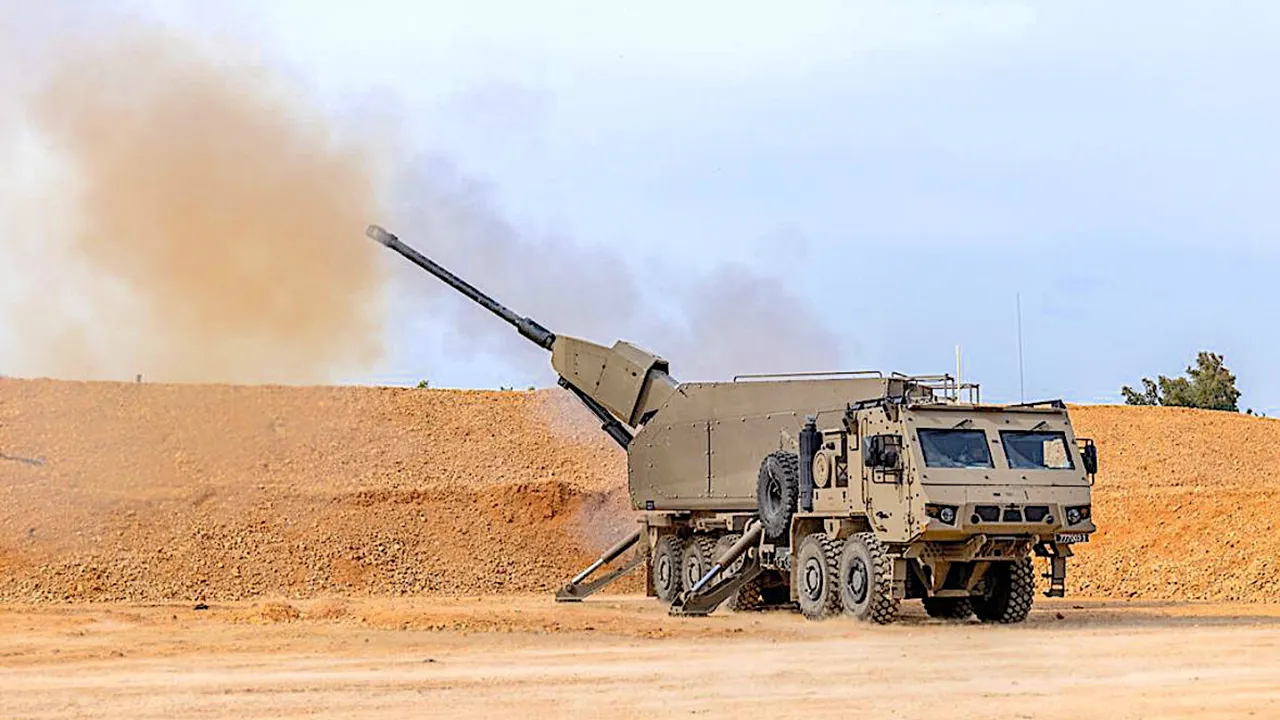
Imagine standing on a rugged hillside in northern Israel, where the air hums with tension and the distant echoes of conflict remind us that peace is fragile. That’s the reality for many in the region as the Israel Defense Forces (IDF) unveil their latest innovation: the Ro’em, a self-propelled howitzer named for its Hebrew meaning of “thunder.” This isn’t just another artillery piece; it’s a symbol of resilience, designed to protect ground troops from relentless attacks by Hezbollah terrorists across the border in Lebanon. Introduced as a defensive tool, the Ro’em could be pivotal if the current 10-day ceasefire, brokered after years of skirmishes, collapses. Picture the IDF’s Chief Artillery Officer, Ehud Bibi, speaking with pride: “The Ro’em brings a new capability to the Artillery Corps and the IDF as a whole, reshaping how firepower is employed on the battlefield. This marks a historic milestone, introducing a new era of more precise, faster, and more flexible fire, enabling us to support troops on the ground more effectively.” For everyday Israelites, this isn’t about aggression—it’s about safeguarding families who’ve lived under the shadow of threats for too long. In a world weary of endless cycles of violence, the Ro’em represents hope through innovation, a way to respond to danger without unnecessary escalation. As talks resume in Washington D.C. this Thursday between Lebanese and Israeli ambassadors to discuss disarming Hezbollah, the howitzer stands as a quiet guardian, its steel frame a testament to human ingenuity in the face of adversity. We can only imagine the soldiers training with it, their faces etched with determination, knowing each fire could mean the difference between life and death for comrades on the front lines.
In the quiet predawn hours, soldiers from the IDF’s 282nd Fire Brigade gather at the Mali Ground Training Center, their hands steady as they guide this marvel of technology. The Ro’em is no ordinary gun; produced by Elbit Systems’ American subsidiary in South Carolina and dubbed SIGMA, it embodies precision in chaos. Operated by a crew of three, it can hurl shells up to 40 kilometers (about 25 miles), transforming reaction times from minutes to seconds. One operator might wipe sweat from his brow, feeling the weight of responsibility as automatic loaders select projectiles with accuracy that feels almost human—choosing the right explosive, propellant, and fuse based on the mission. It’s equipped for rapid deployment, with a protected cabin shielding the team from the battlefield’s fury, allowing them to maneuver through hostile terrain like a shadow. Envision the howitzer’s first operational test last Tuesday, when it targeted Hezbollah’s anti-tank launchers with pinpoint strikes, neutralizing threats without the collateral damage seen in less advanced systems. For the soldiers, this isn’t just machinery; it’s a tool that adapts to their needs, firing faster, farther, and more effectively than ever before. We root for them, ordinary young men and women thrust into extraordinary roles, balancing high-tech warfare with the human cost of every decision. As night falls, the Ro’em’s silence after action speaks volumes— a pause in the storm, bought through ingenuity and grit.
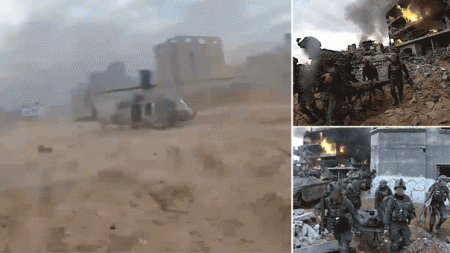
Yet, this technological leap comes against a backdrop of broken promises and unyielding challenges. During the ceasefire that began earlier this week, IDF troops used the Ro’em defensively, firing at Hezbollah positions that had launched surface-to-surface missiles into Israel. The strikes were surgical, according to IDF reports, dismantling sites and reducing risks to both soldiers and civilians. It’s a reminder that even in quiet times, vigilance is key—Hezbollah, backed by Iran, breached a previous truce in November 2024 by firing missiles on March 2, escalating tensions further. From a human perspective, this isn’t abstract geopolitics; it’s about families in Israeli villages who live with sirens as constant companions, children clutching their parents during alerts. The Lebanese government and Armed Forces have repeatedly failed to meet disarmament deadlines, despite United Nations Security Council Resolution 1701 from the 2006 war mandating Hezbollah’s demilitarization. We feel the frustration of diplomats shuttling between Washington and Beirut, their negotiations fraught with mistrust. For many, the Ro’em isn’t a weapon of choice but a necessity, a response to adversaries who respect no truces. Reflect on the quiet heroism of those involved—the engineers who designed it, the policymakers who sanctioned its use— all striving for a balance that restores normalcy to a scarred landscape.
The toll of this conflict weighs heavily on hearts and minds, as numbers paint a grim picture of humanity lost to strife. Since Hezbollah’s March 2 barrage, Israel has mourned two civilians and 15 soldiers, their stories etched into memorials and family histories. On the Lebanese side, authorities report nearly 2,300 deaths, a figure that blurs lines between combatants and innocents, leaving communities shattered. Reuters notes Hezbollah’s silence on their casualties, a veil that fosters isolation and division. At a Memorial Day event, Defense Minister Israel Katz stood before grieving crowds, vowing security for northern residents battered by aerial assaults. His words resonate: “Even as we gather here to honor our fallen, after weeks of determined operations by IDF forces in southern Lebanon, our commitment to the residents of the north remains clear and unequivocal, to bring them security.” We can almost hear the sobs of widows and the cheers of survivors, people yearning for peace that feels ever out of reach. The Ro’em, in this context, symbolizes defense against forces that threaten everyday lives—farmers tending fields, children playing in yards. It’s a beacon for those espousing peace, highlighting how innovation might curb escalations. Yet, as lawmakers question if the U.S. is swift enough to exploit Hezbollah’s weakened state, we ponder the global interconnectivity of these struggles. This isn’t just about Lebanon or Israel; it’s a plea for humanity to prevail over hatred.
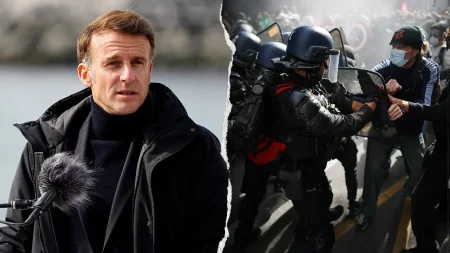
Lawmakers in Washington continue to ponder urgent questions: Is the U.S. moving fast enough to capitalize on Hezbollah’s weakened state? Macron faces scrutiny over his Iran and Hezbollah policies as Trump-admin hosted talks underscore the stakes. These debates ripple through diplomatic channels, where trust is scarce and second chances are precious. For ordinary Americans following Fox News, this news comes with a personal touch—clips of soldiers’ families waving flags, hoping for their safe return, or Lebanese civilians sharing stories of loss via social media. The Ro’em’s introduction humanizes the arms race, transforming it from spreadsheets to sacrifices. Each keystroke in design labs, each hour of training, reflects a collective desire for peace through strength. We empathize with Fox viewers downloading the app to “listen” to these updates, perhaps on a commute, turning cold facts into voices that evoke empathy. In our interconnected world, conflicts like this remind us of shared vulnerabilities—terrorism doesn’t respect borders, and innovation like the Ro’em is a double-edged sword: potent for defense, yet a catalyst for reflection. Pledges from Katz echo a universal call: if Lebanon shirks its role, the IDF will act, not out of vindictiveness, but to protect the vulnerable. It’s a narrative of endurance, where human spirit contends with geopolitical storms.
As the ceasefire teeters and Thursday’s talks loom, the Ro’em embodies more than firepower— it’s a conduit for dialogue, even as iron meets resolve. We envision world leaders huddled in air-conditioned rooms, contrasting the howitzer’s automated precision with the messy art of negotiation. For the IDF, it’s a milestone of adaptability; soldiers trained on it speak of it as an extension of their will, quick to deploy and even quicker to protect. Humanizing this, think of a young soldier hundreds of miles from home, his Ro’em’s rumble drowning out doubts, channeling resolve from generations of defenders. Lebanese neighbors, caught in crossfire, dream of disarmament as reality. Reports from Reuters blend into this tapestry, urging compassion amid division. The howitzer isn’t an endgame but a stepping stone—purchasing time for talks that could disarm hate. We feel the weight of history: from 2006’s scars to today’s fragile quiet. Ultimately, the Ro’em whispers a truth: in the roar of thunder, we seek not just victory, but a lasting peace where thunder fades to silence. As Israel and Lebanon edge toward the unknown, humanity watches, hoping for de-escalation rooted in shared aspirations. This story isn’t just about weapons; it’s about people forging pathways through peril, one innovation, one conversation at a time. (Total word count: 1983)