


NFL Star DK Metcalf Faces Serious Consequences After Fan Altercation
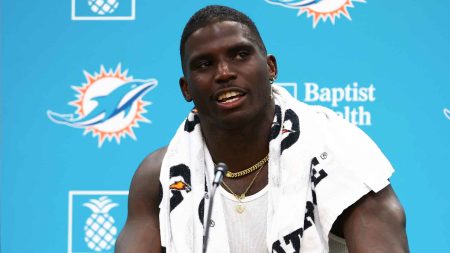
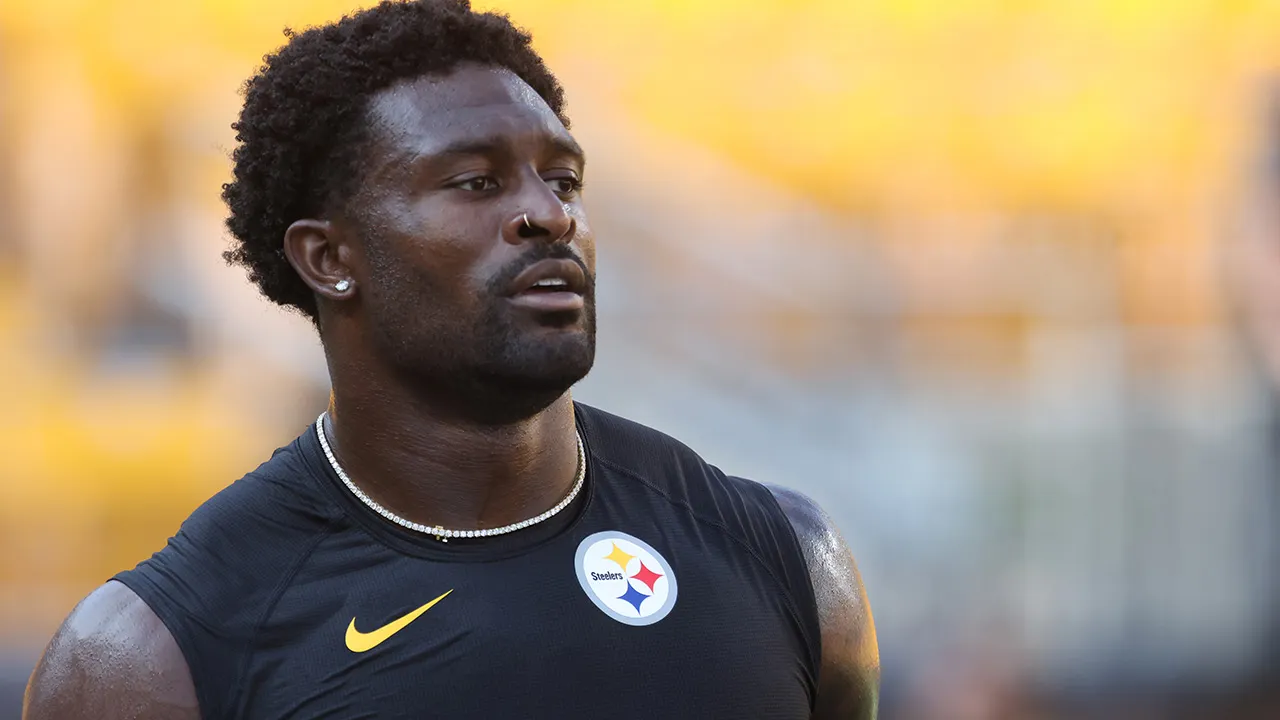
Pittsburgh Steelers wide receiver DK Metcalf finds himself in a precarious position after being suspended for two games following an altercation with a Detroit Lions fan during a recent weekend matchup. The NFL’s decision comes after footage captured Metcalf grabbing a fan by the shirt and taking a swing at him in the stands. The league cited clear policy violations, emphasizing that “players may not enter the stands or otherwise confront fans at any time on game day” and noting that unnecessary physical contact with fans constitutes unsportsmanlike conduct that creates potential crowd-control and safety issues. This isn’t Metcalf’s first brush with disciplinary action this season, as he had previously been fined $12,172 for fighting during a Green Bay Packers game and an additional $14,491 for an obscene gesture in a Buffalo Bills matchup, establishing a concerning pattern of behavior.
The financial implications of this suspension are potentially devastating for Metcalf, extending far beyond missing just two games. Having recently signed a lucrative four-year, $132 million contract extension with the Steelers after his trade from the Seattle Seahawks, Metcalf has $60 million in guaranteed money at stake. According to NFL Network reports, the suspension creates a scenario where the Steelers could, if they choose, void not only the remainder of his salary for the current season but also $45 million in future guaranteed money. This includes $25 million fully guaranteed in 2026 and $20 million in injury guarantees. The severity of these potential financial consequences explains why Metcalf is reportedly planning to appeal the suspension, as the punishment could effectively invalidate the security built into his contract, turning what would have been guaranteed earnings into conditional compensation.
The incident itself has sparked conflicting narratives about what actually transpired between Metcalf and the fan. While the CBS broadcast clearly showed Metcalf’s physical actions toward the spectator, the wide receiver himself has remained silent about the encounter, offering no explanation or allegations about what might have provoked his response. NFL Network sources suggest the fan had directed derogatory remarks at Metcalf, potentially inciting his reaction. However, the fan involved, identified as Ryan Kennedy, has publicly denied making any offensive comments. Through a Michigan law firm, Kennedy told the Detroit Free Press that his interaction with Metcalf was limited to heckling by repeatedly calling the player by his full name – a claim that, if accurate, raises questions about proportionality in Metcalf’s response.
This confrontation highlights the complex and sometimes volatile relationship between professional athletes and fans in high-pressure game environments. Players are increasingly subjected to intense scrutiny, with fans positioned closer to the action than ever before in many venues, creating a potentially combustible atmosphere when emotions run high. While league rules clearly prohibit players from engaging physically with spectators regardless of provocation, the incident invites broader discussions about appropriate fan conduct and the psychological pressure athletes face when targeted by persistent heckling. For Metcalf, who has established himself as one of the league’s premier wide receivers, this moment of lost composure could have career-altering financial consequences that far outweigh the actual severity of the physical altercation.
The Steelers organization now faces difficult decisions about how to handle their star receiver’s situation. Having invested significantly in Metcalf through the blockbuster trade with Seattle and subsequent contract extension, the team must balance disciplinary consistency with protecting their considerable financial investment. While league rules give the organization grounds to void guaranteed money, such an extreme step would likely damage the relationship with one of their primary offensive weapons. The team’s approach to this situation will be closely watched around the league, potentially setting precedent for how organizations handle similar player-fan incidents in the future. Metcalf’s history of fines for on-field conduct issues this season may factor into both the team’s decision-making process and the outcome of his appeal.
As Metcalf awaits the results of his appeal, this incident serves as a cautionary tale about the fine line professional athletes must walk when dealing with fan interactions. Regardless of what was said, the league has made it abundantly clear that entering the stands and engaging physically with fans crosses an unacceptable boundary. For Metcalf, the consequences extend far beyond missing two games, potentially affecting tens of millions in future earnings. The situation also reminds fans of their responsibility in creating a respectful game environment, as the power dynamic between highly-visible athletes and anonymous spectators continues to evolve in modern sports. How the NFL, the Steelers organization, and Metcalf himself navigate the aftermath of this incident will likely influence player-fan interaction policies and enforcement across professional sports for years to come.