


FBI Embraces Artificial Intelligence to Stay Ahead of Threats
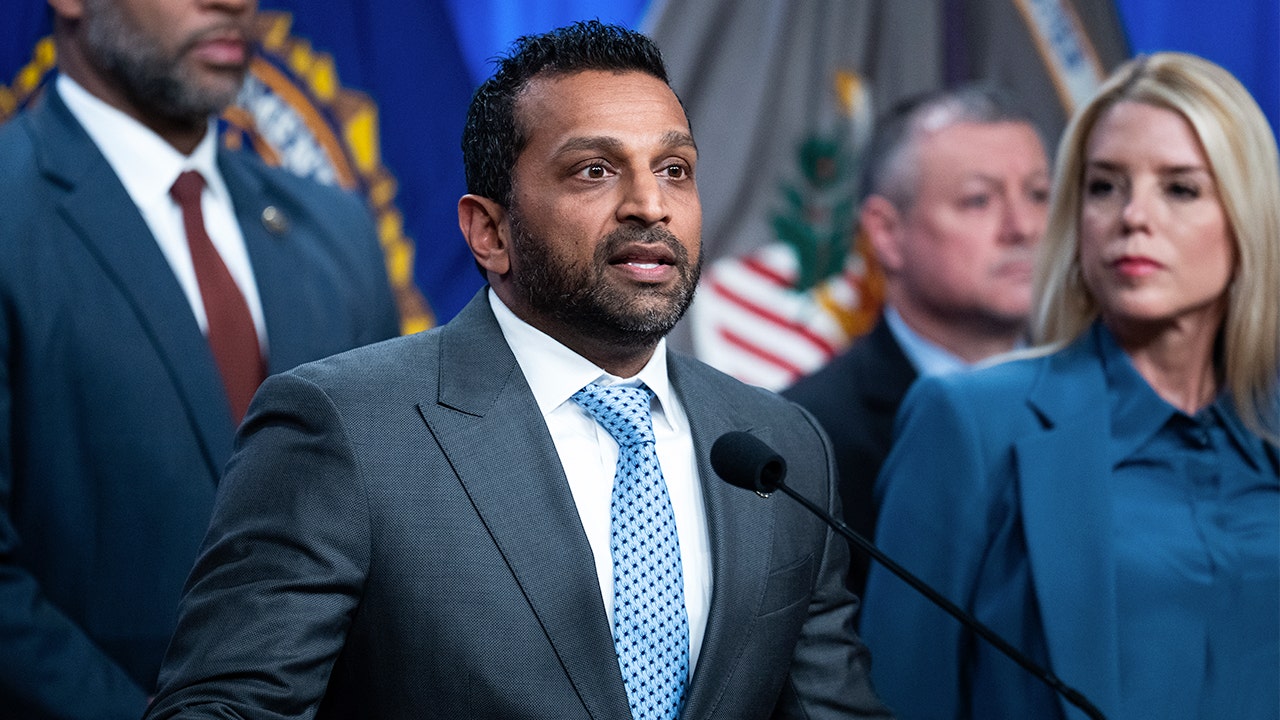
In a significant announcement shared on social media platform X, FBI Director Kash Patel revealed that the agency is substantially increasing its utilization of artificial intelligence technology to enhance its capabilities against both domestic and international security threats. “FBI has been working on key technology advances to keep us ahead of the game and respond to an always changing threat environment,” Patel explained, highlighting artificial intelligence as a “key component” of the bureau’s evolving strategy. This move represents a major step in modernizing the agency’s approach to intelligence gathering and threat assessment in an increasingly complex global security landscape.
The FBI has specifically developed an AI project designed to bolster the capabilities of its investigators and analysts working in national security. The initiative aims to ensure that the bureau stays ahead of “bad actors and adversaries who seek to do us harm,” according to Patel. This emphasis on technological advancement comes at a time when sophisticated threats from both international adversaries and domestic extremists continue to evolve at a rapid pace. The FBI’s website already lists several AI applications currently in use by the agency, including vehicle recognition technology, voice-language identification systems, speech-to-text analysis tools, and video analytics—all of which help agents process and analyze large volumes of data more efficiently than traditional methods would allow.
To ensure the successful implementation of these technological innovations, FBI leadership has established a dedicated “technology working group.” This specialized team is being led by outgoing Deputy Director Dan Bongino, whose recent announcement that he will be departing from the bureau in January 2024 has generated significant attention. Despite his impending departure, Bongino’s leadership of this critical initiative underscores the importance the FBI places on ensuring that its technological capabilities “evolve with the mission,” as Patel phrased it. The director emphasized that these investments in artificial intelligence and related technologies will yield “dividends for America’s national security for decades to come,” suggesting a long-term strategic vision for the bureau’s technological evolution.
The FBI’s embrace of artificial intelligence comes during a period of significant transition for the agency under the incoming Trump administration. Bongino, in announcing his departure on X, expressed gratitude to President Trump, Attorney General Pam Bondi, and Director Patel “for the opportunity to serve with purpose.” His role in advancing the FBI’s technological capabilities appears to be one of his final major contributions to the bureau before his exit in January. When asked for additional details about the AI initiatives beyond what Director Patel had shared publicly, an FBI spokesperson told Fox News Digital that the agency had “nothing further to add” to the director’s statements, maintaining a level of discretion typical of matters related to national security technology.
This technological pivot by the FBI represents part of a broader trend across federal law enforcement and intelligence agencies, which increasingly recognize artificial intelligence as a critical tool for addressing complex security challenges. AI’s ability to analyze vast datasets, identify patterns that might escape human analysts, and accelerate investigative processes makes it particularly valuable in countering sophisticated threats. The FBI has recently demonstrated its investigative capabilities in high-profile cases, including what was described as an “unprecedented global investigation” into the assassination attempt against former President Trump, which concluded that the shooter, Thomas Crooks, had acted alone. Similarly, the bureau’s successful disruption of a global terror network planning Halloween attacks highlighted the agency’s continued focus on preventing mass-casualty events.
Patel’s announcement suggests that artificial intelligence will play an increasingly central role in the FBI’s operations moving forward, potentially transforming how the agency identifies threats, conducts investigations, and protects national security. By investing in these advanced technologies now, the bureau appears to be positioning itself to address the security challenges of tomorrow—from sophisticated cyber threats to complex terrorist networks and evolving domestic extremism. As artificial intelligence continues to develop at a rapid pace, the FBI’s commitment to incorporating these tools into its security apparatus reflects a recognition that staying ahead of adversaries in the digital age requires embracing cutting-edge technology. This technological transformation, occurring alongside leadership changes at the bureau, signals a new chapter for the FBI as it adapts to an increasingly complex threat landscape.