


Trump Vows “Serious Retaliation” After ISIS Attack Kills Americans in Syria
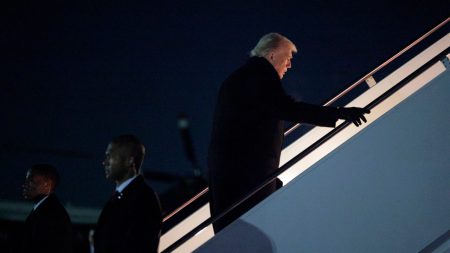
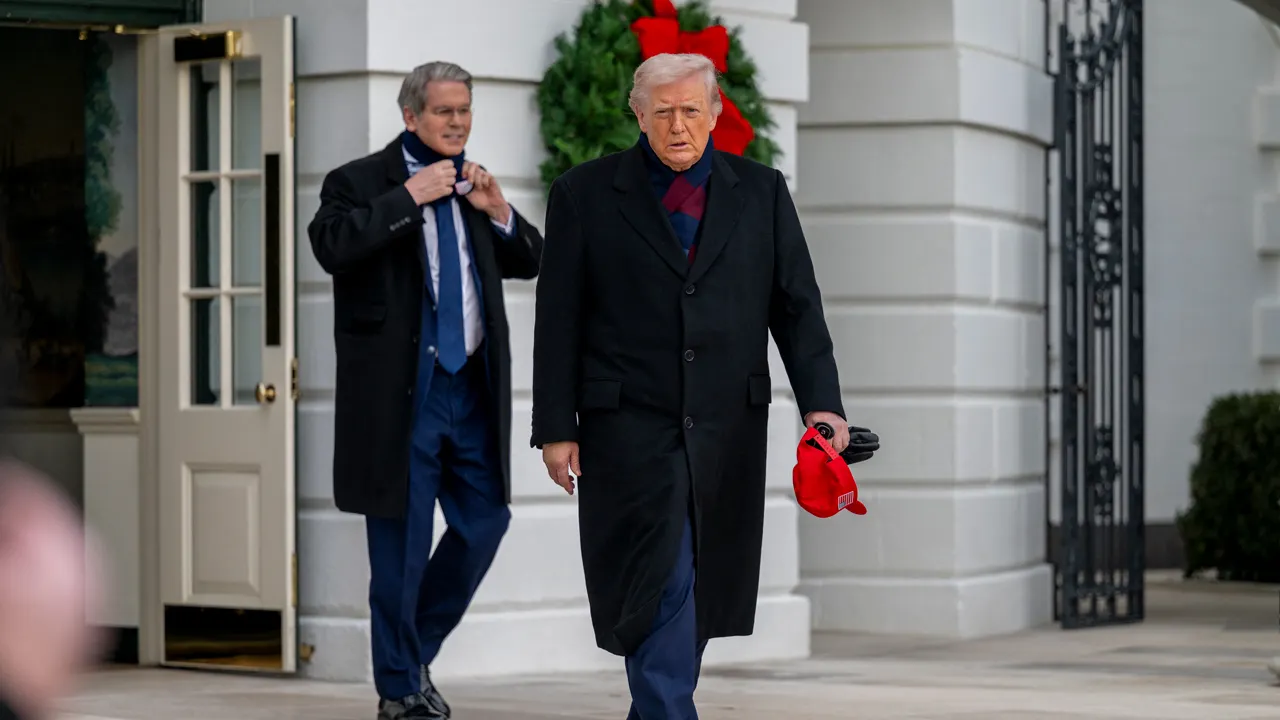
In a somber moment amid the holiday season, President Donald Trump addressed the nation regarding a tragic attack in Syria that claimed the lives of two U.S. Army soldiers and an American interpreter. Speaking to reporters as he departed the White House for the annual Army-Navy football game on Saturday, Trump conveyed both grief and resolve, promising a strong response to the ISIS-perpetrated ambush. The incident has highlighted the continuing dangers faced by American forces in the region, despite previous claims of ISIS’s territorial defeat. While three other soldiers were wounded in the attack, Trump reassured the public that they were “doing well” after being evacuated by helicopter to the al-Tanf garrison near the Iraq-Jordan border.
Later taking to his social media platform Truth Social, the President elaborated on the situation with a direct warning: “There will be very serious retaliation.” Trump emphasized that the Syrian government under President Ahmed al-Sharaa was “extremely angry and disturbed” by the attack, suggesting a unified front against the terrorist organization. Pentagon spokesperson Sean Parnell provided additional context, explaining that the soldiers were conducting a “key leader engagement” as part of their counter-terrorism mission when they were ambushed by a lone gunman, who was subsequently killed by partner forces. Secretary of War Pete Hegseth confirmed the attacker’s death, while the identities of the fallen Americans remain withheld pending family notifications, following military protocol.
This tragedy comes at a particularly significant moment in U.S.-Syria relations. The attack occurred as the Trump administration has been signaling a new chapter in diplomatic engagement with Syria, following the fall of the Assad regime and the rise of the new al-Sharaa government. The incident underscores the complex security challenges that persist despite political transitions in the region. The planned historic White House meeting between Trump and the Syrian President, aimed at furthering regional peace efforts, now takes on added significance against the backdrop of this shared security threat, potentially creating an opportunity for deeper cooperation against remaining ISIS elements.
The attack also brings renewed attention to the American military presence in Syria, which has been gradually diminishing. According to reports, approximately 1,500 U.S. troops remained in Syria as of June, with plans to reduce that number to just a few hundred by the end of the year. This drawdown represents a significant shift from America’s peak involvement, when U.S. forces operated eight bases in Syria following their 2014 intervention to prevent ISIS from establishing a caliphate. Three of those bases have already been closed or transferred to the Syrian Democratic Forces, reflecting the evolving nature of the U.S. mission in the country.
Despite the reduced footprint, this attack demonstrates that significant dangers remain for the troops who continue to serve in Syria. The ambush occurred in what Trump described as “a very dangerous part of Syria,” highlighting the persistent threat from terrorist elements even after their territorial defeat. The attack appears to have been carefully planned to target American personnel during a diplomatic engagement, suggesting that ISIS retains both the will and capability to strike at U.S. forces when opportunities arise. This reality presents a challenge to the ongoing withdrawal strategy, potentially forcing a reassessment of security needs and counter-terrorism operations in the region.
As the nation mourns the loss of these American service members and their interpreter, the incident serves as a stark reminder of the sacrifices made by military personnel and civilians operating in conflict zones. The promised retaliation will likely be closely watched both domestically and internationally as an indicator of American resolve and military capability in the region. Meanwhile, the families of those lost await official notification, a solemn process that reminds us of the personal cost behind headlines about foreign conflicts. The attack, coming as it does at a time of apparent diplomatic progress, demonstrates the complicated reality of Middle East engagement, where security threats can persist even as political solutions advance, requiring both military vigilance and diplomatic skill to navigate effectively.