


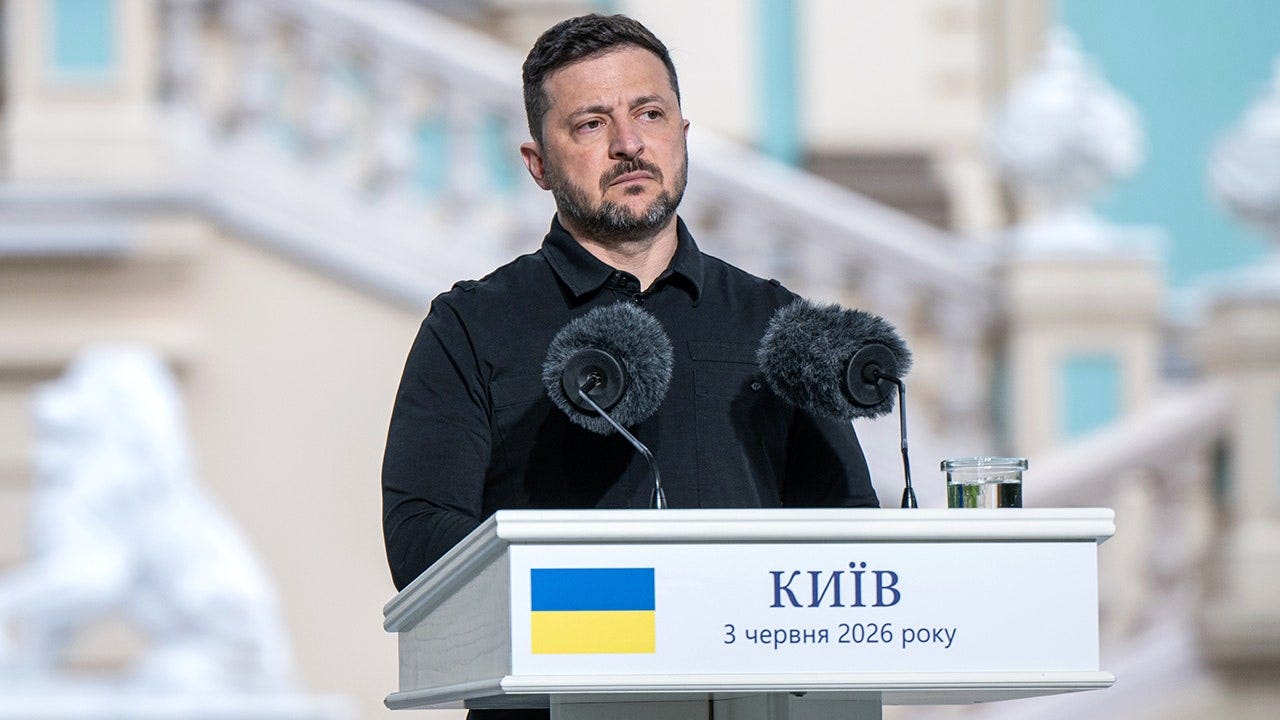
In the shadow of a prolonged and deeply devastating conflict that has reshaped the geopolitical landscape of Europe, Ukrainian President Volodymyr Zelenskyy has taken a bold, intensely personal diplomatic step by drafting an open letter directly to Russian President Vladimir Putin. Written at a moment when global attention is increasingly fractured—notably with the United States heavily preoccupied with escalating tensions and diplomatic crises involving Iran—Zelenskyy’s message carries a sense of urgent pragmatism. He warns against the dangerous complacency of waiting for Western powers to refocus their full attention on Europe’s bleeding borders, suggesting that the suffering of his people cannot be put on hold while the rest of the world looks elsewhere. By proposing a direct, face-to-face meeting with Putin, the Ukrainian leader seeks to strip away the layers of bureaucratic delay and proxy posturing, placing the responsibility for life and death squarely on the shoulders of the two men who hold the keys to their nations’ destinies. This is not merely a political maneuver but a deeply human plea to confront the reality of the war head-on, acknowledging that while global empires may look away, the people living under the constant threat of bombardment cannot afford the luxury of waiting.
To facilitate this crucial dialogue, Zelenskyy emphasizes the importance of a physical space that can foster genuine communication, suggesting neutral grounds such as Switzerland, Türkiye, or nations within the Arab world. These regions have historically served as sanctuaries of diplomacy, places where enemies have traditionally stepped back from the precipice of ruin to negotiate a shared future. By invoking these historic venues, Zelenskyy highlights the human element of leadership, asserting that it is ultimately individual leaders—rather than institutions or abstract military strategies—who possess the agency to resolve the profound crises of war and peace. He paints a picture of a summit where the grand posturing of statehood is stripped away, leaving only the raw necessity of human agreement. In proposing these locations, Ukraine signals its readiness to step onto the international stage not as a subordinate, but as an equal partner in peace, seeking a neutral theater where the language of diplomacy can finally drown out the drums of war.
However, Zelenskyy is acutely aware that a lasting peace cannot be built on a fragile bilateral handshake alone; it requires a robust, long-term foundation anchored by the international community. He argues that because the conflict threatens the very fabric of European stability, any sustainable resolution must actively involve those global powers capable of acting as true security guarantors, specifically the United States and key European nations. The letter envisions a new, comprehensive security architecture for their part of the world—one that addresses not only Ukraine’s desperate need for existential safety but also recognizes Russia’s own anxieties regarding its security. By inviting these major global players into the peace process, Zelenskyy seeks to build a protective framework that ensures any future agreement is not merely a temporary pause in hostilities, but a permanent, ironclad guarantee that future generations of Ukrainians and Russians can live without the terror of recurring violence.
To create the mental and physical space necessary for such heavy conversations to yield fruit, Zelenskyy proposes an immediate, comprehensive ceasefire for the duration of the negotiations. He frames this not as a tactical retreat or a sign of weakness, but as standard, civilized practice—drawing parallels to the current international efforts to manage conflicts around Iran. For the average citizen shivering in bomb shelters or the soldier defending a battered trench, a ceasefire is not a political talking point; it is a profound, life-saving gift of quiet that represents the first real taste of hope. Zelenskyy appeals to the shared humanity of both sides, arguing that an attempt to establish a true, unyielding silence on the battlefield is the single best way to begin talking to one another. This proposed silence is an invitation to transition from the chaotic roar of artillery to the measured cadence of human voices, testing whether the Kremlin genuinely desires a path toward peace or simply wishes to continue the bloodshed.
At the very heart of this diplomatic outreach is a deeply emotional call for a comprehensive, “all-for-all” exchange of prisoners of war, a gesture that Zelenskyy believes would serve as the ultimate prologue to the end of the conflict. This proposal goes far beyond military calculations, touching upon the agonizing human suffering of thousands of families who are currently waiting in torment for news of their captive loved ones. Crucially, the Ukrainian President demands serious, immediate steps to return the civilians and children who have been forcibly taken away during the turbulence of the war. Restoring these stolen lives to their homes and families is presented as a moral imperative, a necessary act of healing that must occur before any political reconciliation can begin. By prioritizing the return of the vulnerable, Zelenskyy reminds the world—and Putin—that the ultimate measure of any peace agreement is its ability to restore dignity and safety to the individuals whose lives have been torn apart by the violence.
Ultimately, Zelenskyy’s letter concludes with a sober and haunting warning that blends contemporary resolve with the harsh lessons of history. He makes it clear that if Putin refuses to recognize that the time has come to end this devastating campaign, Ukraine will never surrender its right to exist and will continue to fight with the support of its international allies. However, he warns that a prolonged war will exact a devastating, personal toll on Putin himself, reminding the Russian leader of a historical truth that Moscow knows all too well: when the vast expanse of Russia grows tired of war, political upheaval and profound change inevitably follow. This is not framed as a personal threat from Ukraine, but as an objective observation of the cyclical nature of Russian history, suggesting that the path of endless conflict will eventually consume those who initiated it. In this way, Zelenskyy leaves Putin with a stark, human choice: to step into a neutral room and negotiate a legacy of peace, or to risk being swept away by the historical tides of a weary and exhausted empire.