


Imagine a typical late afternoon in East Asia: the bustling streets of Seoul are alive with the hum of commuters heading home, and the neon lights of Tokyo are just beginning to flicker to life. For millions of people in these vibrant metropolises, the day-to-day routine is a testament to resilience, a quiet agreement to find joy and stability in the present moment. Yet, that peace is occasionally punctured by the sharp ring of a smartphone alert or a sudden breaking news broadcast on a public screen. This was the reality on a recent Thursday at around 5:00 p.m. local time, when North Korea launched a short-range ballistic missile from its eastern port city of Wonsan. For those living in the region, such events are not merely abstract geopolitical data points or distant headlines; they represent a recurring, deeply personal reminder of the fragile thread upon which their daily security hangs. The psychological toll of living adjacent to one of the world’s most heavily fortified borders is subtle but persistent, woven into the fabric of everyday life where normal activities carry on under the perpetual shadow of potential conflict.
In the crucial minutes following the missile’s launch, a massive, highly sophisticated defense network immediately sprang into action, quietly working to shield the region from panic. The United States Indo-Pacific Command was quick to issue a reassuring public statement, emphasizing that the U.S. remains fiercely committed to the defense of the American homeland and its allies in the region. Military analysts, operating from high-tech command centers deep underground and aboard naval vessels, rapidly assessed the projectile’s trajectory and payload. Their swift determination—that this specific launch did not pose an immediate threat to U.S. territory, personnel, or allied nations—offered a collective sigh of relief to a nervous public. This immediate military response highlights the delicate balance of deterrence; while the missile itself was short-range and landed harmlessly in the ocean, the swift reassurance from American forces served as a critical psychological buffer, demonstrating that even when tensions rise, a protective shield of international cooperation remains vigilant and ready.
The geopolitical ripples of the launch were felt instantaneously across the capitals of neighboring nations, triggering a coordinated wave of diplomatic pushback. In South Korea, the Joint Chiefs of Staff immediately elevated their surveillance posture, keeping a watchful eye on the skies in close coordination with their American and Japanese allies. Across the sea, Japanese Defense Minister Shinjiro Koizumi confirmed that the weapon did not reach Japanese territory, but he was quick to condemn the act, noting that North Korea’s repeated missile tests represent a chronic threat to the peace and safety of the entire region. Operating through their embassies in Beijing—a necessary diplomatic detour given the lack of direct relations with Pyongyang—Japanese officials lodged a formal, stern protest. Meanwhile, South Korea’s presidential national security council gathered to denounce the launch as a blatant “provocation” that directly violates long-standing United Nations Security Council resolutions, reminding the international community of the persistent disregard for global norms exhibited by the North Korean regime.
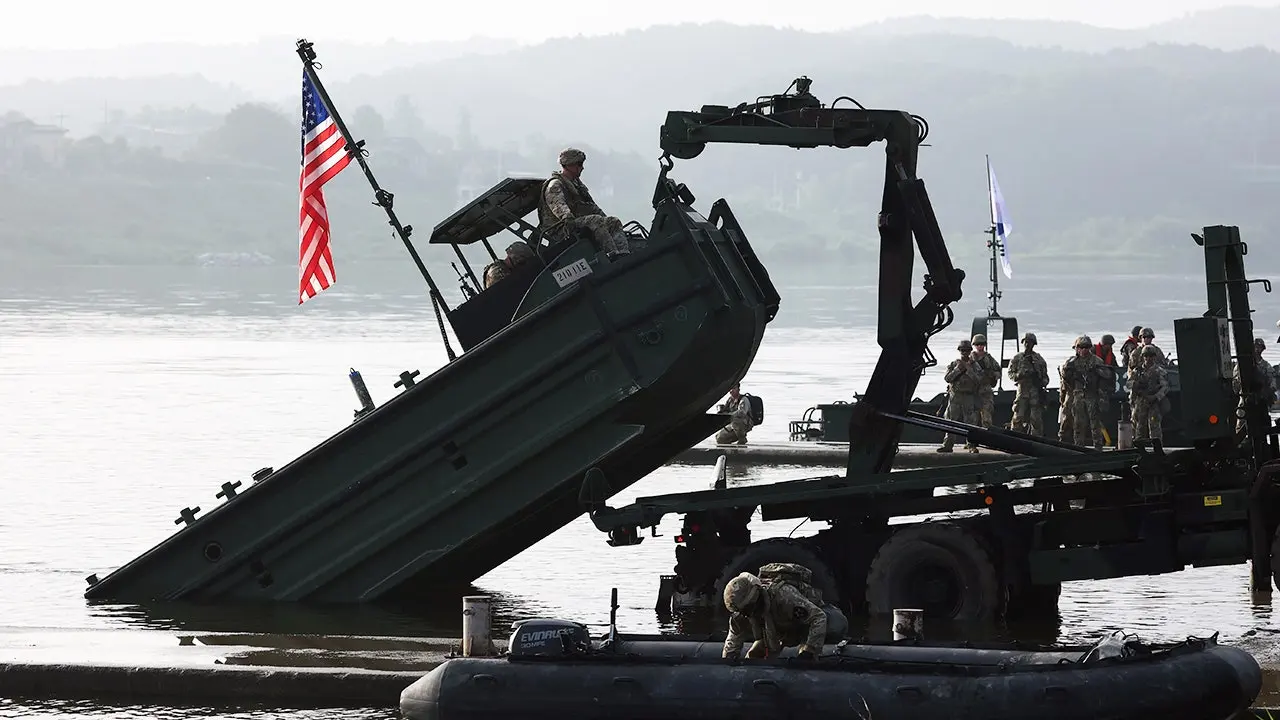
At the very core of this latest display of military muscle is an upcoming event that has long been a lightning rod for regional friction: the annual Ulchi Freedom Shield joint military exercises. Scheduled for the latter half of August, these massive defensive drills are designed to foster deep operational synergy between the Combined Forces Command, United States Forces Korea, the United Nations Command, and South Korea’s Joint Chiefs of Staff. According to military officials, the exercises are defensive by design, intended to fortify the combined alliance and prepare forces to respond effectively to a wide range of modern security threats. The drills are comprehensive, blending live-field maneuvers with virtual simulations and complex constructive training scenarios. However, the perspective from Pyongyang is starkly different; the North Korean leadership views these defensive preparations as a thinly veiled rehearsal for an invasion of their territory. This fundamental mismatch in perception creates a predictable yet hazardous cycle, where defensive readiness on one side is met with aggressive, defensive posturing on the other, transforming routine training exercises into high-stakes standoffs.
This launch is particularly notable as it marks North Korea’s first ballistic missile test since late June, when the regime tested a tactical ballistic missile carrying a “special mission” warhead. Following those early summer tests, North Korean leader Kim Jong Un issued a chilling directive, stating that his military must continually strengthen its “deadly and destructive offensive posture.” This aggressive rhetoric comes at a time of shifting global dynamics, with international observers pointing to a deepening axis of cooperation between Pyongyang and other global adversaries like Moscow. Reports of North Korea deploying missile units to support Russian operations in Ukraine suggest that Pyongyang’s weapons development is no longer just a regional issue, but part of a broader, more complex global alignment. For Kim Jong Un, these tests serve a dual purpose: they project an image of absolute strength to a domestic audience facing severe economic hardships, while sending a clear signal to the global community that North Korea remains a formidable military power that cannot be sidelined or ignored.
Ultimately, this latest cycle of missile tests and military readiness drills raises profound, human-centric questions about what it means to live in a state of perpetual high alert. While the defensive alliances and military preparations are vital for deterring outright conflict, they also sustain a status quo where peace is defined merely by the absence of war, rather than true reconciliation. The true cost of this endless geopolitical chess match is borne by the ordinary citizens who must normalize these anxieties, going to work, raising children, and dreaming of the future while knowing that the skies above them are a constant arena of military posturing. True, lasting security in the Indo-Pacific will not be won through a continuous accumulation of increasingly destructive weapons, but through the difficult, patient work of diplomacy and dialogue. Until that path is realized, the soldiers will continue their training, the missiles will continue to fall into the sea, and the people of the region will continue to rely on their remarkable resilience, hoping that the fragile peace holds for another day.