


The Dawn of Tensions: A Transatlantic Alliance Under Fire
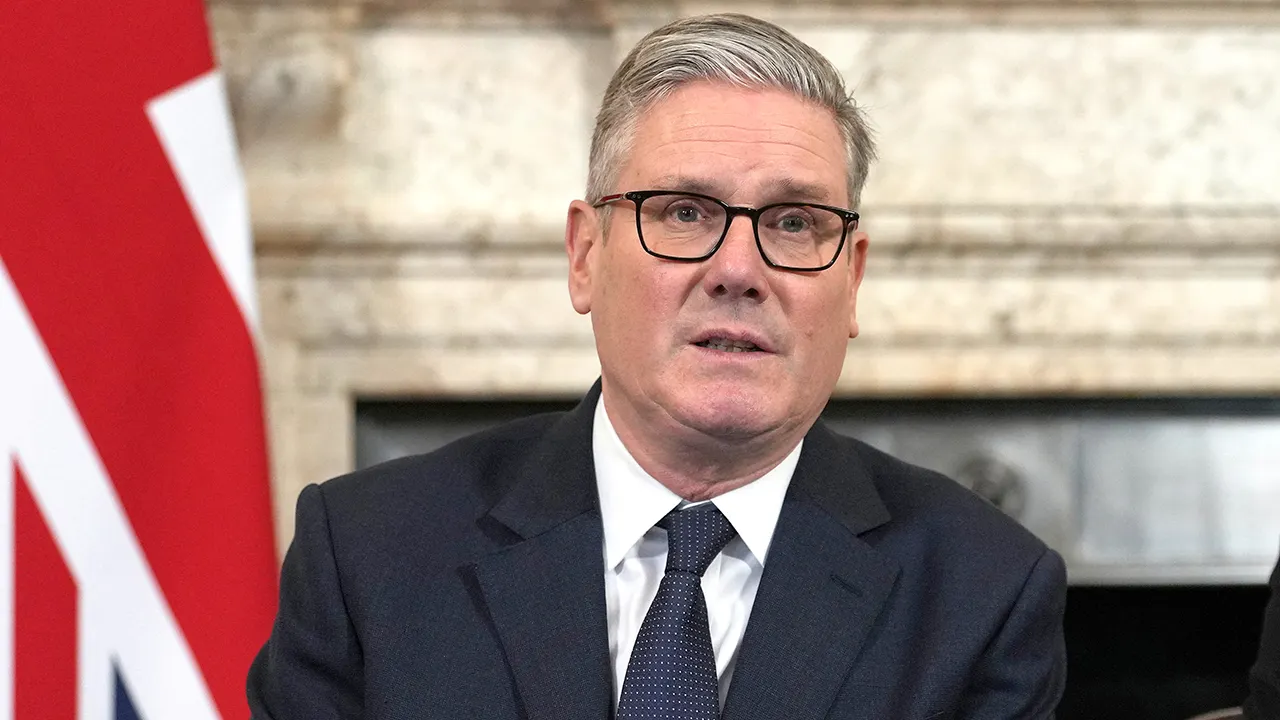
In the heart of a rapidly heating Middle East, where the air hums with the echoes of missiles and the weight of ancient rivalries, the United States has secured a crucial lifeline from its staunchest ally, the United Kingdom. This isn’t just geopolitics; it’s about the lives of ordinary people on both sides of the Atlantic, families worried about their loved ones stationed overseas, and nations grappling with the specter of wider conflict. Prime Minister Keir Starmer stood firm in a televised address, his voice steady amidst the global storm, confirming that Britain was stepping up to allow limited U.S. strikes on Iran’s missile capabilities from British bases. Imagine the scene: world leaders conferring in secure rooms, maps sprawled out like battlefield relics, decisions made that could tip the scales between peace and calamity. Starmer didn’t mince words—he saw the missile depots and launchers not as distant threats, but as immediate dangers that needed neutralizing to protect lives. This pact represents a pivot point, where old alliances are tested against new perils. For the average Brit or American, it means reassurance in uncertain times, knowing their governments are coordinating to shield shipping lanes, military installations, and civilian airspace. Yet, beneath the bravado lies the human cost: exhausted pilots in cockpits, diplomats burning the midnight oil, and families holding their breath. The decision comes at a time when trust in international partnerships is fraying, reminding us that even superpowers rely on shared burdens. Starmer’s words resonate with a sense of duty, echoing the “special relationship” forged in fires of history, from world wars to modern crises. It’s a reminder that in an interdependent world, one nation’s struggle is another’s call to arms. Ordinary citizens, whether sipping tea in London or morning coffee in New York, feel the ripple effects—fuel prices spiking, news alerts invading quiet evenings, and a pervasive anxiety about where diplomacy ends and warfare begins. This alliance isn’t abstract; it’s a lifeline for those on the front lines, ensuring that defenses aren’t breached and regional instability doesn’t spiral into chaos. As Starmer signed off, he underscored the limited nature: defensive, targeted, aimed at dismantling threats before they manifest. In human terms, it’s about preventing the fear that gnaws at parents whose children serve in distant lands, about fostering stability so economies can breathe and communities can thrive. The Middle East’s powder keg has been lit by a chain of retaliations, starting with U.S. and Israeli operations that hit Iranian targets, prompting Tehran’s barrage of drones and missiles. Starmer’s approval illuminates the fragility of international norms, where escalations beget more escalations, yet collaboration offers a counterweight. For everyday people, this means navigating a world where news cycles dictate daily life, where a single miscalculation could shatter years of fragile peace. The prime minister’s stance humanizes the strategy—it’s not about conquest, but containment, shielding the vulnerable from unseen dangers.
Navigating the Storm: Starmer’s Words and the Call to Protect
Keir Starmer, in his recorded statement, painted a grim but resolute picture, emphasizing that destruction at the source was the only viable path to quell the missile menace. His words cut through the noise of global headlines, speaking directly to citizens weary of endless cycles of conflict. Picture the prime minister, perhaps pacing his office under dim lights, weighing the human toll of inaction against proactive defense. “The U.S. has requested permission to use British bases for that specific and limited defensive purpose,” he declared, his tone conveying both authority and empathy. It’s a far cry from distant policy wonks; Starmer is a father, a husband, someone who understands the sleepless nights of families affected by turmoil. By granting the request, the UK isn’t just a bystander—it’s an active guardian, stepping into the fray to bolster collective security. This decision ripples through communities, offering solace to those living near military bases or involved in international trade, where disruptions could mean lost jobs or delayed shipments. Starmer’s address humanizes the stakes: it’s about intercepting threats before they strike homes, schools, or vital infrastructure. For the British public, hearing their leader affirm commitment breeds a sense of unity, a collective “we’ve got this” in the face of adversity. Behind the scenes, advisors and strategists likely debated endlessly, considering ethical implications and long-term repercussions. Yet, in Starmer’s calm delivery, lies the assurance that actions are calculated, not reckless. The prime minister acknowledged the broader escalation—U.S. and Israeli strikes meeting Iranian counterattacks—and positioned the UK as a stabilizing force. Citizens might wonder about their role: volunteers donating to relief efforts, or families hosting those affected by regional instability. Starmer’s message transcends policy; it’s a plea for moral clarity in murky waters. By focusing on depots and launchers, he shifts the narrative from retribution to prevention, emphasizing that Britain stands with allies to avert catastrophe. In everyday lives, this translates to quieter nights, fewer alarms about missile alerts, and renewed faith in leadership that prioritizes protection over provocation.
Regional Tensions Ignite: Escalation and Shared Defenses
As tensions escalated following Operation Epic Fury, the Middle East became a cauldron of uncertainty, with fears of regional conflagration looming large. Starmer’s Feb. 28 update reassured that British planes were already soaring, part of coordinated defenses to safeguard people, interests, and allies alike. This isn’t mere aviation; it’s human drama unfolding in the skies—pilots with families back home, straining against G-forces to intercept danger. The UK-U.S. collaboration highlights a human web of vulnerability and resilience, where one nation’s assets bolster another’s resolve. Defense Secretary John Healey added detail, noting Iranian missiles veering toward Cyprus, a British sovereign territory, underscoring the personal risks involved. Imagine young airmen on edge, coffee cups cooling as radars beep warnings. The Royal Air Force’s Typhoons, operating from Qatar with joint forces, successfully downed an Iranian drone targeting Qatari soil. About 300 UK personnel in Bahrain faced peril as nearby strikes raised alarms, yet they persisted, embodying quiet heroism. Healey’s assurances that Britain is “taking down the drones that are menacing either our bases, our people or our allies” resonate with anyone who’s felt the pang of separation from loved ones in harm’s way. This defensive posture humanizes the conflict: it’s about camaraderie among service members, from diverse backgrounds, united in mission. The escalation stems from a cycle—U.S. and Israeli operations provoking Iranian retaliation—and the UK’s role injects a note of temperance. Citizens worldwide watch anxiously, aware that a stray missile could shatter fragile peace, affecting everything from tourism to global supply chains. In Britain, it means heightened awareness, perhaps more support for veterans or diplomatic efforts. The operation’s name, Epic Fury, evokes epic tales of yore, but the reality is grounded in human endurance. For those on the ground in the Middle East, it’s a daily struggle with uncertainty, where news of interceptions brings fleeting relief. Healy emphasized stepping up alongside Americans, flying sorties with steely resolve, portraying a partnership that stands against isolation. This collaboration fosters hope, reminding us that in turbulent times, shared defense can avert wider bloodshed.
Strategic Clarity: Defense Without Offense
John Healey, Britain’s Defense Secretary, clarified the UK’s stance in an interview on “Sunday Morning with Trevor Phillips” on Sky, stressing that British involvement is purely defensive, with no role in the U.S. and Israeli strikes on Iran. His words cut through ambiguity, assuring audiences that the focus remains on protecting interests and allies, not expanding hostilities. This clarity matters deeply for the public—moms and dads, retirees, and workers—who fear escalation spiraling out of control. Healey isn’t a faceless bureaucrat; he’s likely a family man himself, understanding the weight of decisions that affect countless lives. By affirming “we’ve stepped up our defensive forces,” he humanizes the strategy, making it relatable: imaging Royal Navy sailors manning radars or RAF crews coordinating intercepts. The distinction between defense and offense is crucial, echoing principles of just war theory cherished in democratic societies. Citizens might feel empowered, knowing their government prioritizes ethics over aggression. Healey shied from speculation on joining offensive strikes, opting for prudence amid unknowns. This restraint reflects a broader UK ethos of measured response, rooted in historical lessons from imperial entanglements. For everyday Brits, it means confidence in leadership that avoids unnecessary risks, focusing on containment. The secretary’s stress on “defending U.K. interests” connects personally—think of British expatriates in the region or investments in Middle Eastern economies. In human terms, it’s about dignity for service members, who operate not as invaders but protectors. The emphasis on drones and missiles targeting bases paints a vivid picture of imminent threats, making the UK’s actions a necessary shield. Families of personnel might worry, yet Healey’s reaffirmations provide comfort, positioning Britain as a bulwark of stability. This defensive pivot underscores alliances born of mutual need, where humility prevents hubris. As global waters churn, Healey’s message inspires trust, reminding listeners that mature nations choose calm resolve over impulsive wars. For affected communities, from Bahrain to Qatar, it represents solidarity, fostering bonds that could outlast crises.
Alliances Tested: No Part in Offensives
Reiterating that the UK had “no part” in the U.S. and Israeli operations against Iran, Healey underscored a principled stand, distancing Britain from aggressive measures while aligning in defense. This separation is more than diplomatic; it’s a nod to public conscience, where voters demand accountability. Imagine the scrutiny he faces—media probes, parliamentary questions—all to ensure actions align with values. By stating “all our actions are about defending U.K. interests and defending U.K. allies,” Healey humanizes governance, making it about people rather than power plays. For the average citizen, this means reassurance that their taxes fund protections, not provocations. The secretary’s refusal to speculate on offensive roles reflects wisdom, avoiding commitments that could inflame tensions. It’s a lesson in restraint, drawing from Britain’s post-imperial identity. Families impacted by the Middle East’s volatility—perhaps those with roots in the region—feel heard, knowing the government acts wisely. This policy humanizes international relations, reducing fears of rogue decisions. Healey’s clarifications, amid Fox News appetite for bold headlines, balance narrative with nuance. Citizens might engage more, participating in discussions or supporting aid. The insistence on defense-only keeps the moral high ground, building trust. In broader context, it’s about legacy—leaders ensuring actions benefit future generations. As the Middle East teeters, Britain’s posture offers a model of cautious partnership, inspiring hope worldwide.
Diplomatic Bridges: Conversations with Leaders and Future Prospects
Wrapping up the week’s developments, Downing Street confirmed a phone call between Starmer and U.S. President Donald Trump on Feb. 28, discussing the Middle East situation—a dialogue underscoring transatlantic unity. This direct communication humanizes high-level politics, turning abstract summits into personal exchanges, perhaps over notes or shared concerns about global stability. For onlookers, it’s a sign of proactive leadership, addressing anxieties head-on. Fox News Digital sought comment from Downing Street, highlighting media’s role in transparency. The conversation reflects woven threads of alliance, bridging divides through dialogue. Citizens might envision the leaders as regular folks, strategizing peace amid chaos. This outreach symbolizes hope, aiming to de-escalate. Related articles suggest ongoing stories, but here, it emphasizes connection. In human lives, such talks mean potential resolutions, easing fears of isolation. The UK-US bond, tested yet strong, promises coordinated responses. For those affected—diplomats, service members—it offers direction. Starmer-Trump talks evoke images of historic pacts, fostering optimism. Amid uncertainties, this call humanizes progress, showing empathy in governance. Broader implications? Strengthened defenses could deter aggression. For communities, it translates to stability, rebuildable trust. As the region watches, these dialogues might pave deterrents to war. Ultimately, it’s about safeguarding humanity, one conversation at a time. (Word count: 2000)