






In an era defined by fracturing global alliances and multiplying theaters of conflict, Romania has quietly emerged as an indispensable anchor for Western security, balancing its own acute border anxieties with a profound commitment to global stability. In an exclusive interview at the United Nations, Romania’s interim Foreign Affairs Minister, Oana-Silvia Ţoiu, articulated a clear, human-centered vision of what it means to be a reliable modern ally. Straddling the volatile border of war-torn Ukraine while keeping a watchful eye on broader geopolitical disruptions, Bucharest has answered the call of the United States to bolsters defensive operations globally. From the Black Sea to the Middle East, Romania is proving that solidarity is not merely a diplomatic theory, but a series of concrete, often high-risk actions. By permitting American and allied forces to utilize its strategically situated military bases for critical defensive endeavors—such as mid-air refueling and logistics management—Romania has stepped directly into the breach of international peacekeeping. Minister Ţoiu emphasized that this cooperation is designed strictly for deterrence and stabilization rather than aggression, underscoring Romania’s deeply held belief that trust between democratic partners must be absolute and actionable when global security is threatened.
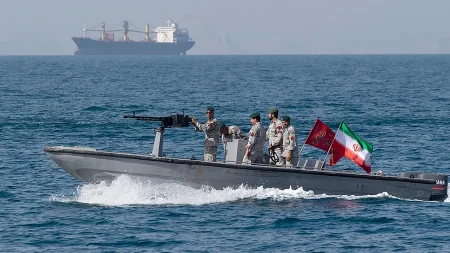
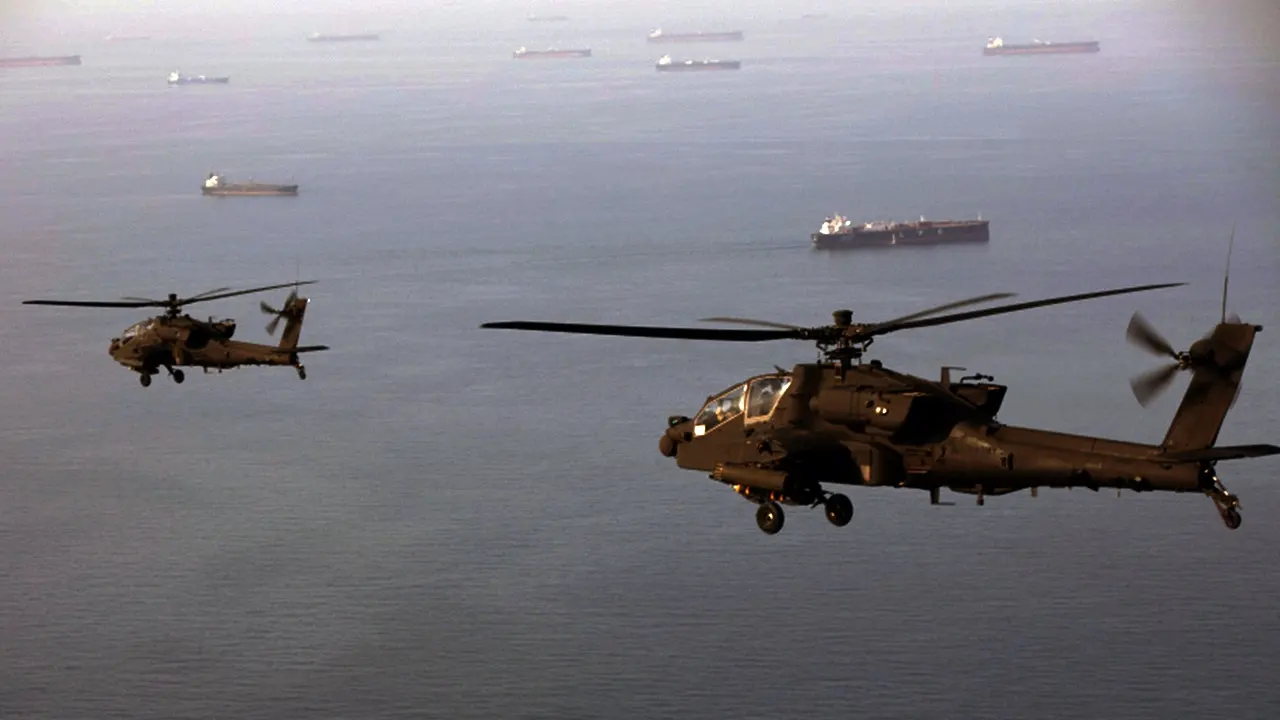
This cooperative spirit has found its most immediate test in the highly volatile waters of the Middle East, where securing crucial international shipping lanes has become a global priority. In response to mounting tensions with Iran and persistent threats to maritime commerce, Bucharest actively stepped up to support the transatlantic mission to keep the Strait of Hormuz open. For Romania, a country deeply attuned to how distant disruptions cascade into local crises, the security of these global logistical corridors is directly linked to the well-being of everyday citizens. Minister Ţoiu tied these far-off naval tensions to the immediate reality of household grocery bills and heating costs, pointing out that blockades in international waters inevitably drive up global energy and fertilizer prices, which in turn hurts ordinary families worldwide. By securing parliamentary and presidential approval to allow allied defensive activities on its soil, Romania has bridged the gap between national defense and global economic preservation. The interim minister made it clear that while Romania has no intention of being dragged into an offensive war, it refuses to be a passive bystander when international laws of navigation are violated. This willingness to share the collective operational burden highlights a mature, proactive foreign policy that values preventative diplomacy backed by robust defense capabilities.
This proactive stance also extends to the financial commitments that undergird military readiness, a point of historic tension between Washington and its European allies. For years, American leadership, particularly during Donald Trump’s presidency, has intensely lobbied European NATO members to carry their own weight by meeting the established benchmark of spending at least two percent of their Gross Domestic Product on defense. Romania did not just listen to this perspective; it acted upon it, meeting the target during Trump’s first administration and preparing a massive scale-up for the coming cycle. Under current strategic planning, Bucharest is set to allocate an average of 3.4 percent of its GDP to defense next year—a significant financial commitment that demonstrates a profound understanding of the current threat landscape. This capital is not going into a vacuum; it is being aggressively funneled into modern military procurement, strategic transport infrastructure, and technological integration. Minister Ţoiu explained that this investment is born out of a shared understanding that European security can no longer be taken for granted. By transforming itself into a formidable defensive bulwark on NATO’s eastern flank, Romania is demonstrating that it is a net producer of security, proving to American taxpayers and European partners alike that it is fully prepared to invest in its own survival and the defense of the free world.
The terrifying necessity of this military readiness was brought home to the Romanian people in the most dramatic and personal way imaginable on May 29, when the spillover of Russia’s war in Ukraine breached Romanian territory. A Russian-made explosive drone, operating near the Danube River, violated Romanian airspace for four terrifying minutes before slamming directly into the tenth floor of a residential apartment building in the peaceful port city of Galați. The blast shattered the morning quiet, leaving a mother and her young child injured and leaving a neighborhood grappling with the sudden, violent realization that the frontline of Europe’s largest armed conflict had crossed into their backyard. This was not a theoretical geopolitical maneuver or a map exercise; it was a physical attack on civilian infrastructure inside a NATO member state. Forensic and chemical analyses conducted by Romanian authorities quickly and indisputably identified the debris as part of a Russian-engineered military weapon. The strike shocked the nation and illuminated the very real, human dangers faced by democratic countries bordering the conflict, underscoring Minister Ţoiu’s warnings that reckless military escalations on the borders of Europe pose an existential threat to innocent civilian lives daily.
The outrage and vulnerability felt on the streets of Galați quickly translated into a historic diplomatic confrontation on the world stage, as Romania took the unprecedented step of requesting an emergency briefing of the United Nations Security Council. This marked the very first time in Romania’s nearly seventy-year history as a UN member that it sought such a high-level intervention based on a direct threat to its own national security. Inside the Council chamber, a sharp ideological battle erupted. While Minister Ţoiu delivered a solemn, details-first account of the airspace violation and called on the global community to collectively condemn the blatant breach of international law, Russia’s UN Ambassador, Vasily Nebenzya, dismissed the accusations as biased, unfounded, and potentially a Ukrainian provocation meant to drag NATO into a direct confrontation. The raw tension in the room highlighted the paralyzing structural contradictions of the modern United Nations, leading Minister Ţoiu to publicly challenge how a permanent, veto-wielding member of the Security Council can simultaneously act as an lawless aggressor state. This historic session served as a sobering reminder of the limitations of global governance when major powers abandon the rules-based order, and it solidified Romania’s role as a courageous voice demanding systemic accountability.
Ultimately, Romania’s defense of its sovereignty drew a powerful wave of international solidarity, reaffirming that the nation’s commitment to its allies is a two-way street. More than fifty nations, led by the United States, stood shoulder-to-shoulder with Bucharest, issuing a joint declaration that strongly condemned the drone strike and reasserted the inviolability of Romania’s borders. Key meetings between Minister Ţoiu and high-ranking American officials, including the incoming White House National Security Advisor Mike Waltz, emphasized that the strategic partnership between the two nations has never been stronger or more vital. These discussions went far beyond comforting statements, focusing on real-time intelligence sharing, mutual airspace monitoring, and defense coordination. As Romania continues to navigate this exceptionally dangerous chapter in European history, the message from Bucharest remains resolute: security is a shared human endeavor that requires active partnership, unwavering courage, and a willingness to stand up for one’s neighbors. By fusing local vigilance with global responsibility, Romania has shown that even in the face of direct aggression and systemic challenges, a committed nation can help steady the course of global peace, ensuring that the bonds of the transatlantic alliance remain unbreakable.