

The Chagossian Struggle and the UN Complaint
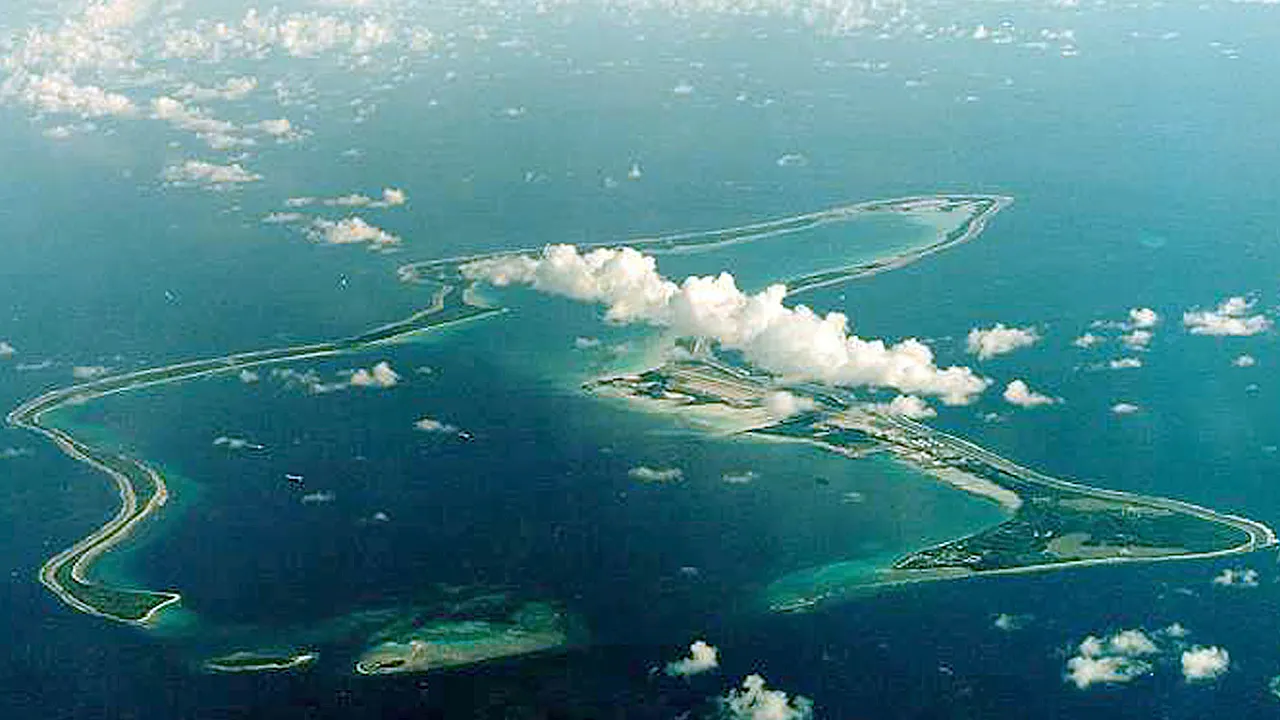
Deep in the Indian Ocean, the story of the Chagos Islands unfolds like a forgotten chapter of colonial history, packed with heartache, resilience, and now, a bold international accusation aimed at Britain’s highest office. At the heart of it is Diego Garcia, that remote U.S. military base we’ve all seen in headlines about global security threats, and the indigenous Chagossian people who once called these islands home. Recently, their elected attorney general, James Tumbridge, filed a formal complaint at the United Nations, labeling the UK’s treatment of his people as potential “crimes against humanity.” Specifically, the gripe centers on four Chagossians who dared to return to their ancestral lands—people like Olivier Bancoult and others from the community—only to face deportation orders issued just this February by the British Indian Ocean Territory (BIOT) administration. It’s not just about those four; Tumbridge argues this is part of a long-running forced eviction plot dating back to the 1960s, when around 2,000 islanders were uprooted in an agonizing series of relocations that scattered families across Mauritius, Seychelles, and the UK itself. Expulsions kicked off in 1968, intensifying in 1973, turning these lush islands—once filled with coconut groves and tight-knit communities—into a virtual ghost town, all to clear space for the military base that became a cornerstone of Anglo-American defense strategy. Now, Tumbridge fears, ejecting those returning Chagossians would mean the complete “physical erasure” of their people, sounding alarm bells about ethnic cleansing on a scale that echoes some of history’s darker injustices. To people like Misley Mandarin, the Chagossian first minister, this isn’t ancient history—it’s yesterday’s pain fueling today’s outrage. But as the complaint hits the UN desks, it intersects with fresher global fireworks, like the Iranian missiles that streaked toward Diego Garcia in March, fired from over 2,300 miles away and missing by a hair, but reminding everyone just how vital this speck of land is in today’s tense world. For families who lost their homes to British bulldozers decades ago, reclaiming a voice through international law feels like a lifeline, a way to humanize their displacement narrative and pressure leaders who seem to prioritize geopolitics over human rights. Starmer’s government, they say, talks a big game on justice and rules of law, but actions speak louder than words when it comes to letting these dispersed families go back. It’s a poignant reminder that behind every diplomatic deal or military outpost, there are real lives and personal stories of loss that geopolitical games often overlook, turning allies into adversaries in the courtroom of global conscience.
Ties to the US and Middle East Tensions
You can’t talk Chagos without weaving in the unbreakable thread of U.S.-UK alliances, especially as Middle East flashpoints like the Strait of Hormuz keep boiling over. The Chagossian leaders aren’t anti-American; far from it—they’re fans of the U.S. presence, viewing American forces as “brothers in arms” for global security, much like how families stick together in tough times. First Minister Misley Mandarin has been vocal, emphasizing their desire to honor the 1966 agreement that let the U.S. lease Diego Garcia (initially for 50 years, but extended far beyond) for defense purposes. “We want a positive relationship with the U.S. and an ongoing military presence,” Tumbridge echoed in an interview with Fox News Digital, painting a picture of these formerly exiled islanders not as foes, but as grateful stakeholders in shared security. This stance matters hugely given the Iranian context: those March 20 missiles, launched from deep within Iranian territory, were a wake-up call to the base’s role as a bulwark against threats, proving experts right that Iran was hiding serious long-range capabilities under Trump’s radar. Trump himself slammed the Iranian regime for this brazen strike, and discussions hit high notes when he and Starmer agreed the Hormuz Strait must reopen to keep trade lanes flowing amid escalating conflicts. For Chagossians, the U.S. is a symbol of stability in a turbulent region, their loyalty born from shared history and necessity, unlike the British whom they feel have betrayed ancestral promises. It’s fascinating how this island drama mirrors broader alliances—where U.S. military might safeguards global interests, including the UK’s, creating a web of dependencies that islanders navigate carefully. They see the Americans as protectors, not occupiers, and their leaders stress that losing that alliance could leave Chagos even more exposed. Yet, as Nigel Farage might put it in his critiques, the UK’s fumbling here shows a lack of spine toward Iran, especially when Trump pushed for decisive strikes. The Chagossians’ pro-U.S. tilt humanizes their plight, showing they’re not just spectators in this geopolitical chess game but active players betting on long-term friends over fractious old colonizers. This dynamic adds layers to why Diego Garcia isn’t just a base—it’s a living testament to how historical injustices bleed into modern strategy, with personal loyalties influencing international relations in ways that keep everyone on edge.
Historical Evictions and Forced Relocation
Diving deeper, the Chagossian exodus feels like one of those gut-wrenching tales from history books, where ordinary people are swept aside for “progress”—in this case, cold-war optics that erased a whole culture. Starting in the late 1960s, British authorities began the grim business of relocating the islanders, claiming it was for their safety and economic reasons, but critics call it outright expulsion. Families who had farmed the soil, fished the reefs, and built lives on these islands since the 18th century were shipped off in waves, with many ending up in cramped resettlement camps in Mauritius, living off charity and dreams of return. The peak came in 1971-1973, when the last holds were cleared to make way for the U.S. naval expansion, transforming lush, inhabited atolls into a military fortress. Fast-forward to 2010, and voices like Olivier Bancoult’s emerged in court battles, challenging the legality of the “right of abode” being stripped away—arguing that no authority, not even the mighty British Indian Ocean Territory courts, could deny them their homeland. Tumbridge’s UN filing hammers this as “forced displacement,” warning it could spiral into “a crime against humanity by forced depopulation of a territory.” He paints it as not just relocations, but an orchestrated erasure, where returning Chagossians aren’t welcomed but deported, risking the total vanishing of their physical presence on the islands. Imagine the heartbreak: grandparents telling stories of endless beaches and communal feasts, only for their descendants to be barred, turnstiles slamming shut on generations raised in exile. The BIOT commissioners have admitted past wrongs, calling the evictions a historic injustice, yet Starmer’s team seems reluctant to flip the script entirely. Courts like the UK Supreme Court in 2008 and the Chagos one in March 2023 have quashed efforts to reinstate rights, but Tumbridge vows escalation, planning appeals that could drag this into a protracted legal nightmare. For many Chagossians, this isn’t politics—it’s personal, a fight to reclaim roots severed by colonial ambitions, where the sea that once sustained them now separates kin. Narratives like this humanize the stats: 2,000 souls displaced, lives rebuilt in foreign lands, all for a base that whispers of security but yells of sacrifice. It prompts reflection on how empires build power on the backs of the ignored, leaving indelible scars that international complaints now seek to heal.
Sovereignty Debates and Mauritius Transfer
Amid all this, there’s the simmering question of who really owns Chagos—Britain’s stance or the growing calls for justice from Mauritius, the nearby nation that claims kinship with the islands’ displaced inhabitants. Since a 2019 International Court of Justice (ICJ) advisory opinion ruled that the UK must decolonize Chagos by handing sovereignty to Mauritius, the debate has intensified, complicated by Trump’s vocal opposition. During his tenure, Trump blasted the handover as a bad move for U.S. interests, citing security needs at Diego Garcia, which is leased under a 99-year deal that’s been the backbone of joint Anglo-American operations. Starmer’s government initially leaned toward the transfer but paused when political realities, including those Trump objections and now the Iranian missile showdown, made it “impossible” to proceed. Legislation to formalize the deal was slated for the King’s speech outlining parliamentary priorities, but it’s effectively on ice, leaving Mauritius and Chagossians feeling shortchanged. Mauritius sees Chagos as rightfully theirs—a cluster of atolls home to their Creole-speaking friends before British meddling—and the 2019 ruling backed that, urging an end to the 50-plus-year occupation. Yet the UK counters by securing the Diego Garcia lease, ensuring no disruption to the military stronghold that houses thousands of U.S. troops and serves as a hub for regional stability. For exiled Chagossians, sovereignty talks are a double-edged sword: they want freedoms to return and self-determine, but they’re wary of Mauritius taking over without guaranteeing Chagossian rights, fearing further marginalization. Leaders like Tumbridge stress Chagos is for Chagossians, not just geopolitical ping-pong. Trump’s “small ask” for Greenland versus this? It’s like comparing bargains—one’s a land grab for global clout, the other’s a restitution for human dignity. As sovereignty dances in limbo, it highlights the tension between legal mandates and realpolitik, where a tiny island chain holds sway over superpower relations, reminding us that decolonization isn’t neat; it’s messy and heartfelt, with peoples’ futures hanging in the balance.
UK Government’s Defense and Tumbridge’s Counter
On the British end, the response to these unfolding dramas comes with a mix of strategic defensiveness and bureaucratic bravado, underscoring how the UK views Diego Garcia as non-negotiable in its security playbook. A spokesperson for Starmer’s government told Fox News Digital that the base is “crucial to the security of the UK and our key allies, and to keeping the British people safe”—a statement that frames Chagos not as a human tragedy but as a bulwark against real threats, especially in light of Iran’s missile tests. They point to ongoing legal proceedings in BIOT courts, insisting that courts have repeatedly affirmed no inherent “right of abode” for the Chagossians on the archipelago, dismissing claims as outdated grievances. It’s a narrative of necessity over sentiment, where national interests trump individual returns, painting the island as a necessary evil in a dangerous world. Yet Tumbridge fires back with sharp rhetoric, accusing the government of misleading the public by cherry-picking history. He cites the 2000 Constitutional Order revoking abode rights under Tony Blair’s watch, and how attempts to repeal it failed until the BIOT Supreme Court’s March 31 quashing, which he sees as a victory for justice. “No court has ever found there is no right of abode,” he contends, vowing a “serious fight” in appeals that could go to the Court of Appeal. This back-and-forth isn’t just legal jousting; it’s personal for Tumbridge, whose role as attorney general ties him to a community yearning for acknowledgment. Chagossians like him remember the dishonest assurances given during evictions—promises of easy returns and compensation that never materialized—and now, with the UN complaint, they’re escalating to global stage. Starmer’s team, meanwhile, hides behind procedure, downplaying the ethnic cleansing allegations as hyperbole while prioritizing an alliance that keeps Diego Garcia humming. It’s a clash of perspectives: government protectors of stability versus advocates demanding restitution, humanizing how policy battles affect lives, from exiled elders reminiscing about lost paradises to younger generations plotting legal comebacks. In this exchange, the UK’s stance feels like managerial detachment, prioritizing allies over amends, while Tumbridge’s passion injects humanity into a discourse often drowned by acronyms and treaties.
Broader Implications and the Path Ahead
Looking outward, the Chagos saga ripples into wider conversations about empire’s lingering shadows, colonial legacies, and the moral imperatives of modern geopolitics, especially as alliances fray under new leadership like Starmer’s. Exiled Chagossians watch as their homeland morphs into a symbol of global tensions—once a quiet refuge, now a flashpoint where Iranian aggression tests U.S.-UK resolve, proving Trump’s warnings about missile advancements spot-on. The UN complaint isn’t isolated; it’s a beacon for other displaced groups worldwide, questioning how democracies reconcile human rights with strategic necessities. Leaders from Mauritius to Washington weigh in, with some eager for resolution and others digging heels to preserve status quo, like Trump’s Greenland ambitions—timely reminders that even mighty nations chase real estate for power. For Chagossians, the struggle humanizes themes of identity and belonging: families piecing together histories from Mauritius camps, dreaming of reunification while navigating bureaucratic hurdles. Tumbridge’s tireless advocacy, from courtrooms to interviews, embodies this slow-burning fight, urging Starmer to “right the wrong” amid sovereignty talks. Yet the path forward is foggy—will CIC rulings prevail, or will political wills delay justice? The Iranian threats underscore Diego Garcia’s value, but for many, it’s a Faustian bargain: security for humanity’s cost. As Nigel Farage criticizes Starmer’s hesitation on Iran strikes, the Chagossian narrative adds nuance, challenging leaders to balance might with mercy. Ultimately, this isn’t just headlines; it’s lives entwined in history, demanding we listen to the voices beyond bases and missiles, fostering empathy in an era of escalating divides.