


Safe Streets and Shattered Trust
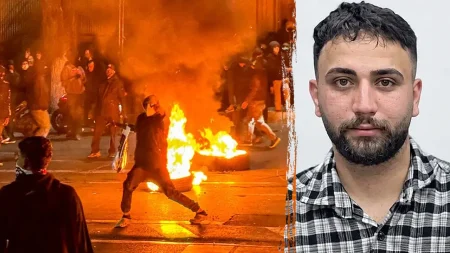
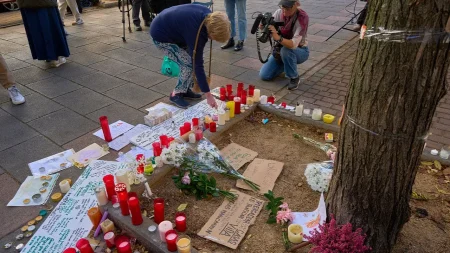
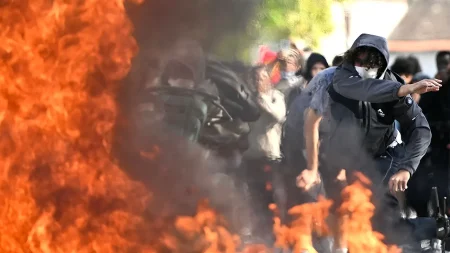
For communities across the United Kingdom, the quiet sanctuary of neighborhood synagogues, schools, and cultural centers represents the very heartbeat of daily life. Yet, a shadow has fallen over these peaceful gathering places as a chilling series of antisemitic arson attacks has left families on edge and community leaders demanding answers. In London, fires targeting Jewish charity ambulances and sacred spaces have shattered the local sense of security. This is not merely property damage; it is a direct assault on the fundamental right of citizens to live and worship without fear. Behind these fires lies a complex web of hostility, as British counterterrorism officials have traced the origins of this violence far beyond the country’s borders, revealing a coordinated effort to sow division on British soil.
In a decisive move to protect its citizens and restore public confidence, the British government officially blamed an Iran-linked proxy group known as the Islamic Movement of the Companions of the Right (IMCR) for a string of seven targeted attacks this year. These hostile actions did not stop at faith-based institutions; they also targeted a Persian-language media outlet critical of Tehran’s authoritarian regime. British intelligence experts assert that members of the Islamic Revolutionary Guard Corps’ (IRGC) elite Qods Force are “almost certainly” pulling the strings of these operations across Europe. Rather than relying on official military personnel, foreign adversaries are increasingly turning to shadow networks, recruiting local criminals and extremist proxies to execute their operations under the cover of darkness.
The emotional and psychological toll on British Jewish communities cannot be overstated. While, by some miracle, no injuries or fatalities have been reported from these recent fires, the intent behind them is clear: to intimidate, isolate, and terrify. In response to this rising tide of targeted hostility, the government has pledged a substantial £250 million (approximately $334.6 million) over the next three years to fortify security measures. This funding is dedicated to providing visible, reassuring protection for synagogues, schools, and community centers, ensuring that children can learn and congregations can pray in safety. However, security guards and cameras are only part of the solution; defense also requires a swift, severe legal response against those who seek to import foreign conflicts into local neighborhoods.
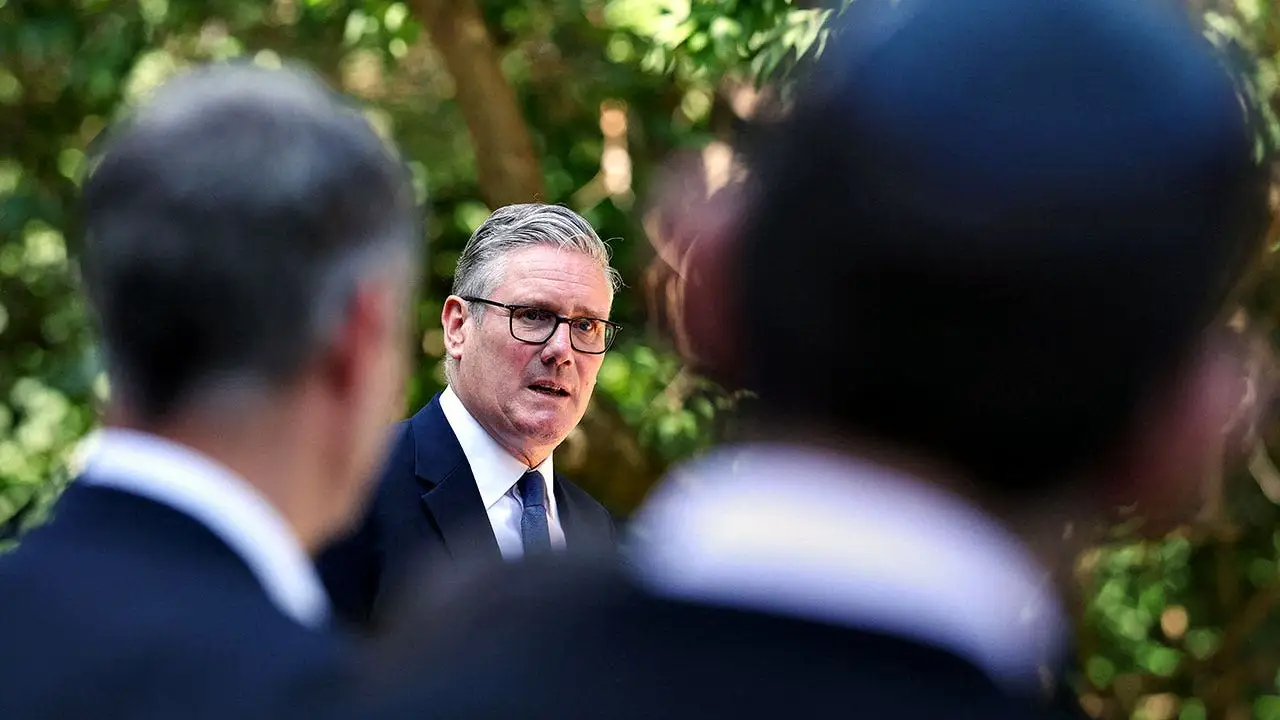
Recognizing the gravity of these threats, Prime Minister Keir Starmer has taken a firm, uncompromising stand against foreign-backed sabotage. Under the newly enacted authorities of the National Security (State Threats) Act 2026, the government is moving swiftly to ban the IRGC, the IMCR, and Russia’s GRU Volunteer Corps—another entity accused of recruiting online proxies to carry out arson and disruption. Starmer delivered a blunt warning to those who seek to use the country as a battleground, stating that Britain will never be a playground for foreign states wishing to spread fear and division. Under these proposed legal upgrades, individuals caught carrying out acts of violence on behalf of these hostile foreign groups could face life imprisonment, while those providing logistics or support could be locked away for up to 14 years.
This dramatic escalation in domestic defense reflects a broader, highly troubling trend across Europe. Intelligence agencies have warned that both Moscow and Tehran are increasingly relying on “proxies and thugs” to conduct their dirty work, deliberately distancing themselves from direct culpability. Security services estimate that they have disrupted at least 20 potentially lethal, Iran-backed plots targeting individuals within the UK over the past year alone. The real-world consequences of this shadow war were starkly highlighted recently when two men were imprisoned for the brutal stabbing of a dissident journalist working for a London-based Persian television station—an attack a British judge confirmed was commissioned by the Iranian state.
By designating these entities as banned terrorist organizations, Home Secretary Shabana Mahmood aims to dismantle the legal loopholes that previously made it difficult to prosecute covert foreign operations. Under the new legal framework, prosecutors will no longer bear the exhausting burden of proving a direct, chain-of-command link to a foreign capital for every single incident; associating with or acting on behalf of these designated proxy groups will be enough to trigger severe criminal charges. As the UK government aggressively tightens its grip on foreign interference, these measures serve as a powerful reminder that while global geopolitical tensions continue to flare, the safety of ordinary citizens on local streets remains an absolute, non-negotiable priority.