


The United Nations Relief and Works Agency (UNRWA), the primary international body tasked with aiding Palestinian refugees, is facing an unprecedented credibility crisis as United States investigators uncover extensive ties between the organization’s personnel and Gaza-based terrorist groups. The USAID Office of the Inspector General (OIG), acting as an independent American law enforcement body, is currently probing more than 1,500 current and former UNRWA employees for their alleged connections to foreign terrorist organizations. This massive investigation began after long-standing concerns regarding radical school curricula, terrorist infrastructure built beneath UNRWA facilities, and direct staff participation in the devastating October 7 attacks against Israel. While a previous internal U.N. inquiry in 2024 resulted in only nine contract terminations due to what the global body cited as insufficient evidence for other accused staff, the U.S. investigation has aggressively expanded its scope. American investigators have successfully picked up where the United Nations fell short, looking far beyond the events of October 7 to root out systemic, long-term terrorist infiltration within the aid agency’s ranks.
The deep regional infiltration of terrorist organizations into UNRWA’s daily operations has been starkly highlighted by the USAID OIG’s recent actions, which include referring 108 staff members to the State Department for immediate suspension and debarment from U.S.-funded projects. Those referred represent the backbone of UNRWA’s community presence, including school principals, teachers, security personnel, social counselors, and medical professionals. Investigations revealed shocking dual identities: one UNRWA school principal actively worked with the Hamas East Jabaliya Battalion and coordinated communications during the October 7 assault, while two deputy principals served respectively as a Hamas deputy company commander and a squad leader. Furthermore, a local teacher was found to possess specialized expertise as a Hamas sniper, and another principal oversaw a school beneath which lay a Hamas tunnel shaft and three anti-tank positions. By exposing how classroom educators and administrators double as armed militants, the federal investigation reveals that Hamas has effectively transformed humanitarian infrastructure into operational warfare assets.
These terrifying revelations have solidified a bipartisan consensus within the United States government that UNRWA cannot be salvaged or trusted with public funds. State Department officials and members of the Trump administration have repeatedly affirmed that no U.S. taxpayer money will be routed to an organization so deeply compromised by terrorist sympathizers. U.S. officials emphasize that American taxpayers must never unwittingly finance the salaries of individuals who participate in violent extremism, and the USAID OIG is actively preparing additional administrative and potential criminal referrals to the Department of Justice. Diplomatic leaders, such as Ambassador Jeff Bartos, have publicly urged other international donor nations to stop underwriting an agency that critics argue has essentially become a de facto subsidiary of Hamas. For the U.S. government, the ultimate goal of these sweeping investigations is to implement absolute accountability and to permanently prevent designated terrorists from moving freely between international aid groups.
The exposure of these deep-seated ties has spurred urgent discussions regarding what a post-UNRWA Gaza must look like, particularly through the lens of regional stability and reconstruction. Organizations like the Board of Peace have declared that UNRWA has no place in the future administration of the Gaza Strip, pointing out the moral and logical impossibility of partnering with an institution that aids two million people while simultaneously harboring terrorists. However, transitioning away from the agency presents a monumental humanitarian challenge, as decades of dependency have made its services central to daily life. Policymakers acknowledge that the international community must proceed with deliberate, highly responsible transition plans to replace UNRWA’s infrastructure. To avoid dangerous gaps in essential care, alternative and fully vetted aid organizations must be prepared to take over critical relief efforts, including food distribution, medical vaccinations, and basic schooling, without allowing the resources to fall into the hands of militants.
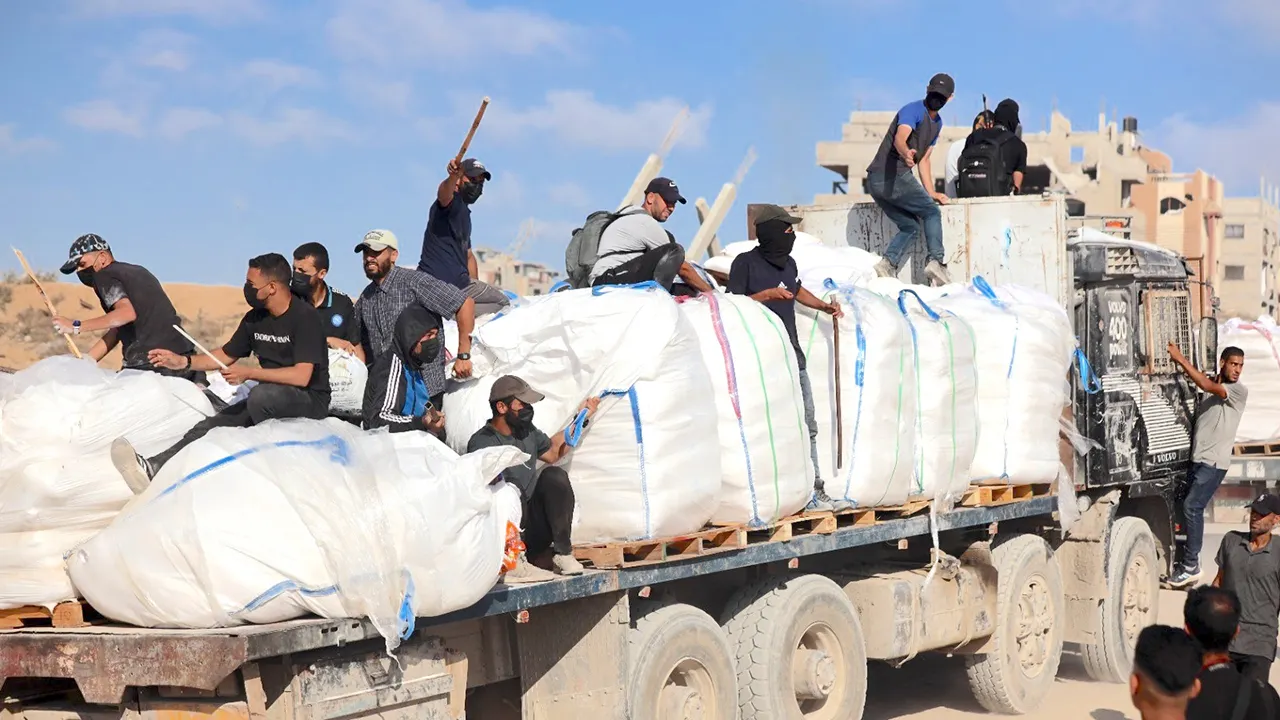
Compounding this transition crisis is the reality of active aid diversion and violent interference by Hamas authorities on the ground, which continues to jeopardize local populations. International humanitarian coordinators have strongly condemned the ongoing, violent obstruction of relief operations by “de facto authorities” in Gaza, noting a dangerous escalation in armed intimidation. In recent weeks, armed militants forcibly invaded a vital food distribution hub in Jabalia and raided a World Food Programme warehouse, assaulting civilian truck drivers who were attempting to deliver life-saving supplies to starving families. These hostile takeovers are not isolated incidents but represent a calculated strategy of systemic theft, smuggling, and violence aimed at controlling the flow of international aid. This hostile environment underscores how difficult it is to deliver genuine humanitarian assistance when local governing authorities prioritize military survival and resource hoarding over the safety and well-being of their own citizens.
Ultimately, the escalating crisis surrounding UNRWA represents a defining turning point for the future of international humanitarian aid and the prospects of lasting peace in the Middle East. For decades, the agency managed to survive controversies regarding political bias and radicalization, but the shocking evidence of direct staff participation in terror operations has made status quo operations completely unsustainable. United States lawmakers and global reformers are demanding that the international community break the endless cycle of generational refugee status and institutional dependency that UNRWA has fostered. By dismantling this compromised network and transitioning to transparent, thoroughly vetted aid structures, regional leaders hope to create a secure environment where Palestinians can finally experience sustainable development and independence. Achieving this vision, however, will require the global community to show unwavering resolve in rooting out systemic terror ties, protecting innocent aid recipients, and establishing ironclad accountability for every dollar spent on humanitarian relief.