


In the dead of night, on a Saturday that would forever reshape the Middle East, U.S. forces unleashed a thunderous military campaign against Iranian targets, a joint effort with Israel that echoed across the world with the weight of history. Dubbed Operation Epic Fury, the operation kicked off at 1:15 a.m., a symphony of precision and power designed to dismantle decades of threats. Fighters pilots, gripping their controls with steeled resolve, knew this was no routine mission; lives hung in the balance, families back home praying through the darkness. According to U.S. Central Command (CENTCOM), the assault opened fire on over 1,000 sites within the first 24 hours, a barrage so relentless it crippled Iran’s military apparatus. Civilians in nearby towns huddled in shelters, hearts pounding as explosions lit up the sky, wondering if this was the beginning of a broader war or a decisive end to a long-standing standoff. The air was thick with the roar of engines and the scent of burning fuel, as unseen heroes worked tirelessly behind the scenes—engineers, strategists, and support crews who made this fury possible. Amid the chaos, the human element shone through: a pilot from Texas, perhaps thinking of his kids, or an Israeli commander driven by the ghosts of past attacks. This wasn’t just an operation; it was a story of camaraderie, fear, and unyielding duty, where ordinary people became warriors in the blink of an eye. Families watching news feeds from their living rooms felt the tremor, a collective exhale of relief or dread, depending on their allegiances. As the first strikes hit, whispers spread about the ultimate goal—to neutralize Iran’s regime without descending into apocalypse. Leaders like President Biden, with bags under his eyes from sleepless planning, made the call, understanding that one wrong move could shatter alliances. Yet, in those early hours, victory felt tangible, a silver lining in a storm of uncertainty.
The display of American military might was nothing short of breathtaking, drawing gasps from onlookers and analysts alike who witnessed the orchestration of air, sea, and missile dominance. B-2 stealth bombers, like silent shadows slicing through the night, were among the stars of the show, their advanced technology allowing them to evade detection as they dropped payloads with surgical accuracy. Paired with F-22 and F-16 fighter jets, which darted like eagles in formation, the skies over Iran became a ballet of destruction, each aircraft a testament to human ingenuity and bravery. A-10 attack aircraft, those tank-busting behemoths, growled into action to provide close air support, their pilots’ instincts honed by countless simulations. Electronic warfare planes, EA-18G Growlers, jammed Iranian signals, creating an electronic fog to confuse defenses, while airborne early warning platforms scanned the horizon for threats, their crews working in shifts to maintain vigilance. On the ground and at sea, the operation unfolded with missile systems like Patriots and THAAD standing guard, intercepting any retaliatory missiles that dared rise. It was a visual feast of power: images of Tomahawk cruise missiles streaking toward targets, their sleek forms captured by drones and released by CENTCOM. One could imagine the engineers who designed these machines, poring over blueprints late into the night, dreaming of peace but preparing for war. Yet, behind the hardware were the stories—the young mechanics fueling planes at bases like Al Udeid in Qatar, sharing laughs and fears before takeoff, or the sailors on nuclear-powered carriers like the USS Abraham Lincoln, enduring the sway of the sea as they launched strikes. This wasn’t impersonal; it was fueled by human sweat, tears, and resolve, transforming cold metal into a shield for democracy.
But the heart of the operation lay in its targets, sites chosen with care to cripple Iran’s ability to strike back, echoing the lives affected on all sides. Command and control centers, hubs of decision-making that had long plotted against allies, were reduced to rubble, their architects fleeing or perishing in the onslaught. The Islamic Revolutionary Guard Corps (IRGC) Joint Headquarters, a symbol of regime power, crumbled under the weight of explosives, while airborne forces headquarters ceased operations in a hail of fire. Integrated air defense systems, meant to protect the homeland, were obliterated, leaving Iran exposed like a fortress with its gates torn open. Ballistic missile sites, warehouses of doom capable of raining destruction, turned into craters, their missiles useless without launch capability. Naval assets, including ships and submarines lurking beneath the waves, were hunted and hit, their crews—fathers, sons, brothers—facing an abrupt end. Anti-ship missile sites and military communications infrastructure suffered similar fates, silencing the chatter that could rally a counterattack. In every strike, there was a human toll: Iranian soldiers, many conscripted young men with dreams of normal lives, trapped in a system they couldn’t escape. Civilians nearby, innocent bystanders in this theater of war, scrambled for safety, their homes turned to memories. On the Allied side, commanders grappled with morality—each target vetted to minimize collateral, yet the reality of war’s brutality lingered. Families of the fallen would mourn, their grief a reminder that even in triumph, loss is inevitable. This phase of the operation wasn’t just tactical; it was a narrative of liberation, aimed at toppling a regime that had sown fear for generations.
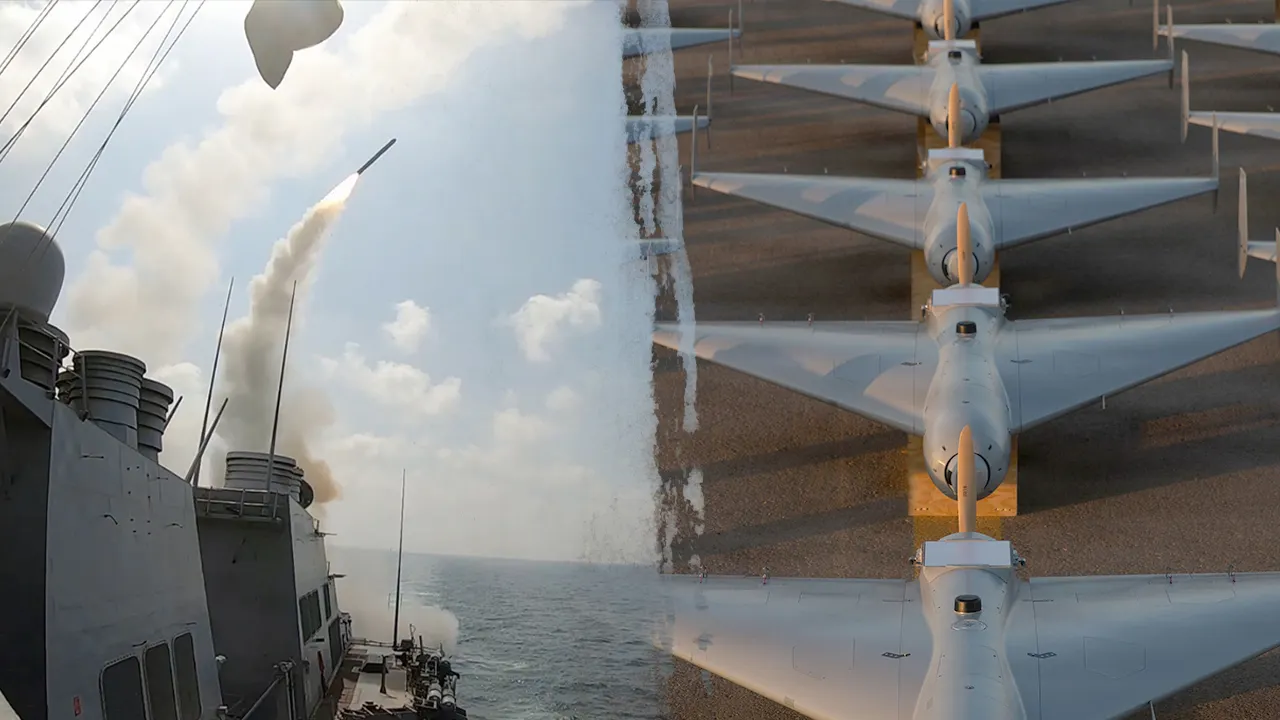
Among the innovations that shaped the operation was CENTCOM’s bold deployment of one-way attack drones, a first for American combat that added a layer of poetic justice to the fury. The Low-Cost Unmanned Combat Attack System, or LUCAS, modeled after Iran’s own Shahed drones that had terrorized allies, were launched in swarms—cheap, expendable weapons delivering high-impact retribution. Developed by Arizona-based SpektreWorks, each drone cost about $35,000, a steal compared to manned aircraft, and could be catapulted from land or sea platforms with ease. For the pilots of Task Force Scorpion Strike, this was revolutionary; no longer did they risk lives in kamikaze runs—they orchestrated the strikes from afar, watching feeds as LUCAS drones self-destructed upon impact. It was a human touch in mechanization: engineers like those at SpektreWorks, perhaps inspired by garage inventors turned tycoons, tailored these drones for maximum effect, turning Iranian designs against their creators. Operators, far from the battlefield, felt the adrenaline of command, their fingers dancing over controls in dimly lit booths. The drones symbolized innovation born from necessity, a testament to human adaptability in conflict. For those on the receiving end, it must have felt surreal—swarms of American-engineered drones, buzzing like angry hornets, avenging past aggressions. This wasn’t just technology; it was psychology, proving that ingenuity could outmatch tyranny.
Iran’s response erupted like a wounded beast, retaliatory missiles arcing across the Middle East in waves of defiance that tested Allied defenses. Targeting U.S. bases in Qatar, Bahrain, Kuwait, and the United Arab Emirates, the barrage sought to demonstrate resilience, though it faltered against layered missile shields. In Qatar’s Al Udeid Air Base, alarms blared as Patriots activated, intercepting threats while personnel ducked for cover—soldiers huddling in bunkers, sharing stories of home to keep spirits high. Bahrain’s U.S. Naval Base faced similar fury, submarines rumbling to life in response. Kuwait and the UAE, vital hubs for logistics, saw communication lines severed temporarily, logistics teams scrambling to reroute supplies. The human drama unfolded in everyday heroism: a cook in Bahrain tending to wounded comrades mid-chaos, or families back in America glued to screens, hearts in throats. Iranian leaders, their cities in ruins, mustered what they could, but the operation’s precision limited their reach. It was a cycle of action and reaction, where each side mourned and mobilized. Civilians in the affected regions, many expatriates from around the world, navigated fear—shops closing, airports halting, daily routines disrupted by the specter of war. This retaliation wasn’t just military; it was a plea for Iranian pride, hurling back the fury they received. Yet, in the end, it highlighted the fragility of peace, urging global introspection on cycles of violence.
As the operation pressed on, expected to endure for days, the toll on both sides became painfully clear, reminding everyone of war’s unforgiving nature. CENTCOM reported three U.S. service members killed and five seriously wounded in the initial phases—a stark reminder that no victory comes without sacrifice. These were real people: a young sergeant from Oklahoma, his dreams of college cut short; a marine wife waiting for a call that never came. Allied forces mourned quietly, flags at half-mast in commemoration, while the wounded fought for recovery in field hospitals, bandaged and determined. The joint effort with Israel continued apace, units coordinating flawlessly in a display of brotherhood amidst adversity. Iranian casualties mounted, with key figures like Supreme Leader Ali Khamenei and dozens of officials eliminated, their deaths rocking the regime’s foundation and sparking succession debates. Families in Iran grieved public displays, power vacuums leading to unrest, as ordinary citizens questioned the path forward. Internationally, reactions varied—celebration in allied capitals, condemnation in neutral corners, all underscoring humanity’s shared stake in stability. The operation’s continuation meant more drones swarming, more strikes landing, but also more stories of resilience. Aid workers on the sidelines prepared for humanitarian fallout, doctors tending to casualties with compassion born from experience. In this fabric of conflict, human connections persisted—soldiers from opposing sides who might have shared coffee in peacetime, now adversaries bound by fate. Operation Epic Fury, while a show of might, served as a mirror to society, urging peace without the cost of lives lost too soon. As the dust settled in waves, the world watched, hopeful for the dawn of calmer days amidst the echoes of fury.