






A Tragic Oversight at the Heart of Fun
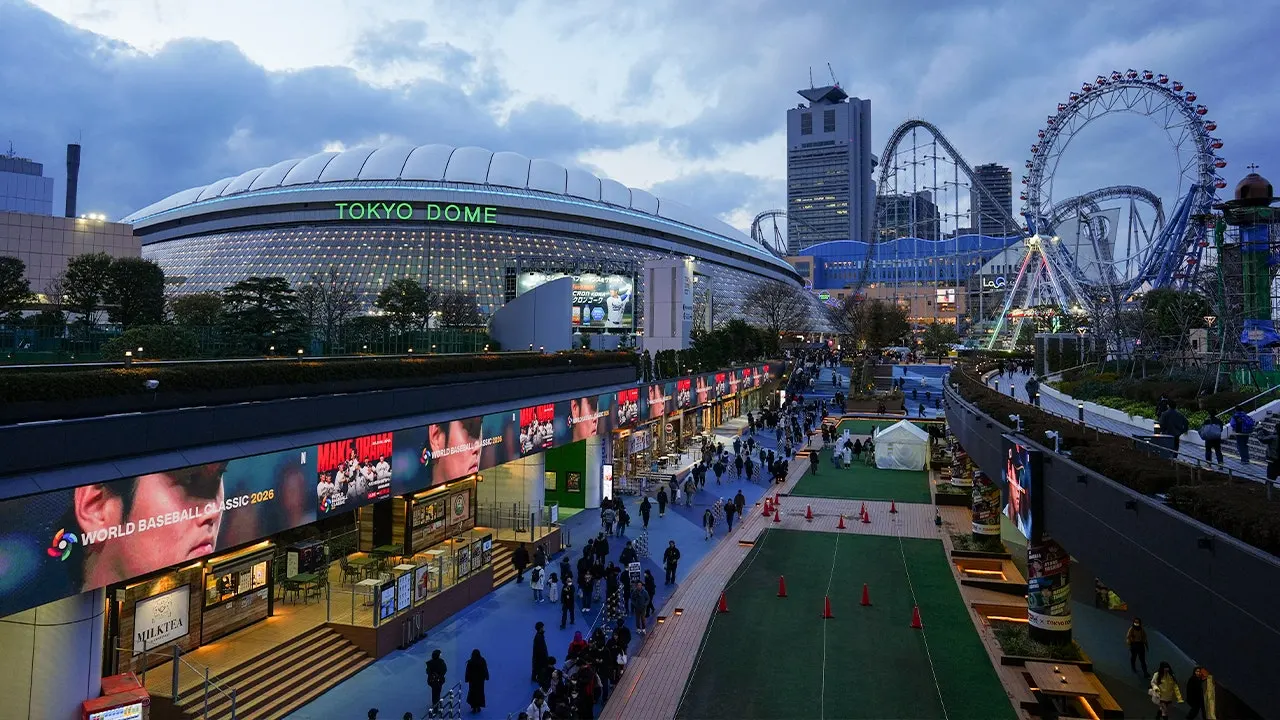
Imagine stepping into the vibrant, bustling world of Tokyo Dome City Attractions, a place where laughter and excitement fill the air, families flock for thrills on iconic rides, and the magical charm of amusement parks promises endless joy. But beneath the surface of this urban paradise, reality can turn painfully harsh, as it did on that fateful Tuesday when routine maintenance unraveled into a horrifying tragedy. A young employee, just 24 years old, lost her life in an accident that has shaken the entire park community and highlighted the perilous balance between ensuring safety and delivering entertainment. This incident isn’t just a story of neglect; it’s a poignant reminder of the human cost behind the scenes of our leisure pursuits. We often romanticize the magic of theme parks—the soaring heights, the dizzying spins—but rarely do we pause to consider the brave workers who keep the gears turning, risking their lives for our fleeting moments of happiness. In this case, Kamimura Hina, a diligent maintenance worker according to reports from NHK World Japan, became the tragic victim when something went terribly wrong during an inspection of the “Flying Balloon” ride. The park, a cornerstone of entertainment in Japan’s bustling capital, immediately suspended all operations, plunging the area into an eerie silence. Visitors who arrived expecting rides and cotton candy were met with closed gates and somber faces, reflecting the deep grief that now envelops the site. As details emerged, it’s hard not to feel a pang of empathy for Hina’s family, who must navigate unimaginable sorrow, and for her colleagues, who watched helplessly as the scene unfolded. The company issued a heartfelt statement, praying for the repose of her soul and apologizing to those affected, underscoring how such incidents ripple far beyond the immediate tragedy. In a world where theme parks represent escapism from daily stresses, this event forces us to confront the fragility of life and the importance of rigorous safety protocols. It’s a stark wake-up call, reminding us that while we chase thrills, the maintenance crew deals with mechanical beasts that, when disturbed, can claim lives unexpectedly. The Tokyo skyline, usually associated with innovation and energy, now carries a shadow of melancholy, as investigations promise to reveal what led to this heart-wrenching accident.
The Details Unfold: A Routine Task Turns Deadly
Delving deeper into the mechanics of misfortune, the “Flying Balloon” ride itself is a seemingly harmless attraction designed for family fun, where passengers—typically families, friends, or couples—board a 12-seat gondola that rotates gently around a central pillar, elevating them to about 30 feet in the air before descending in a rhythmic, balloon-esque motion. It’s not one of those gravity-defying rollercoasters that plunge you into adrenaline rushes; instead, it’s wholesome, like a whimsical dance on a spring breeze, ideal for kids wide-eyed in wonder or adults seeking a peaceful hover over the park’s grounds. On that day, during a standard monthly inspection, six employees, including Hina, were positioned inside the ride’s guts, accessing areas beneath the elevated seats to check for wear and tear. Maintenance like this is the unsung hero of amusement parks, a grueling job that demands precision and guts, often under tight deadlines, as the park’s slots are precious commodities in tourist-heavy places. Hina was reportedly using a stepladder to reach her inspection points when calamity struck: the raised seats, supposed to stay fixed for the crew’s safety, inexplicably plummeted downward, trapping her in a vise-like grip against the unforgiving central pillar. Picture the horror—the sudden shift, the clanging of metal, the shouts of colleagues as they realized the unthinkable was happening. It’s a scenario straight out of a nightmare, where equipment meant to delight turns deadly, and in an instant, a young woman’s aspirations for her future—perhaps saving for travel, building a career, or simply enjoying life’s small pleasures—are extinguished. Local reports indicate it was a 24-year-old woman full of potential, whose life was cut short not by malice or carelessness alone, but by a confluence of mechanical failure and perhaps oversight in procedures. As news spread via NHK World Japan, the community grappled with the reality: how could such a family-oriented ride, a staple at Tokyo Dome City, harbor such danger? Emotions ran high among park patrons who had ridden it countless times, now questioning if every twist and turn was a gamble. For Hina’s coworkers, the ordeal was a visceral trauma, witnessing the chaos and trying to intervene as the mechanism’s inertia created an inescapable trap. It’s human nature to replay “what if” scenarios— what if the locks held? What if training included protocols for such failures? Yet, the outcome remains a sobering testament to how even the most routine tasks can spiral into irrevocable loss, evoking sympathy for all involved and sparking conversations about workplace hazards in industries we take for granted.
Behind the Scenes: The Inspection and the Fall
To truly grasp the heartbreak, let’s walk through what a typical maintenance inspection entails for a ride like the Flying Balloon, painting a vivid picture of the world Hina navigates daily. These checks aren’t glamorous; they’re methodical, grimy affairs where technicians crawl into narrow spaces, flashlight in hand, scrutinizing cables, hydraulic systems, and pivot points for signs of fatigue. On an average inspection day, the team might joke around to lighten the mood, sharing stories about late-night shifts or holiday thrills, but the focus is sharp—ensuring no bolt is loose, no wire frayed. For the Flying Balloon, elevating the seats provides crucial access to the undercarriage, a logical step in the process, allowing workers like Hina to peer into the ride’s mechanical soul. She, a relative newcomer at 24, was likely driven by enthusiasm and dedication, perhaps dreaming of advancing in her field or supporting her loved ones back home. Reports suggest she was midway up a stepladder when disaster hit, the seats dropping with a catastrophic force that pinned her against the central column—a shop pillar turned grave stone, cold and unyielding. Five colleagues were there, their bonds of teamwork tested in the worst way, as they scrambled to understand what triggered the fall—perhaps a faulty lock, an oversight in setup, or an unforeseen defect in the mechanism. The scene must have been chaos incarnate: frantic calls for help, the ticking clock as her life hung in the balance, and the desperate attempts to pry her free while adhering to safety codes they themselves uphold. It’s gut-wrenching to imagine the fear, not just for Hina, but for the others who could have faced the same fate had things aligned differently. This wasn’t a public incident with screaming riders; it was an internal catastrophe, a quiet tragedy amplified by the park’s suspension of all attractions. Stories like this make us reflect on the empathy needed for frontline workers—often invisible until tragedy strikes—who invest their energy in creating memories while bearing the risks. Hina’s story resonates because she’s every person we’ve encountered: hardworking, unassuming, with untapped potential. The investigation will likely uncover layers—were there prior complaints about the ride? Was training adequate? Each question humanizes the event, turning cold facts into a narrative of preventable loss, urging us to advocate for better protections in high-stakes jobs.
Wrestling with Time: The Prolonged Rescue and Heartbreak
The five-hour ordeal that followed the initial entrapment stands as a monument to both human resilience and the agonizing futility of time when lives are at stake. Once the seats fell, trapping Hina, her colleagues and park staff mobilized immediately, alerting authorities and initiating rescue protocols with the precision of a well-rehearsed drill. Firefighters, police, and medical teams converged at Tokyo Dome City, transforming the once-jovial ride into a somber command center. Tools were deployed—hydraulic jacks, cutting equipment, and stabilizing rigs—in attempts to lift the mechanism without causing further harm. But the minutes stretched into hours, each tick of the clock a cruel reminder of the fragility of existence. Outside, curious onlookers and media gathered, their presence adding to the tension, while inside, Hina’s condition deteriorated, her cries muffled by the metal confines, evoking raw, primal empathy from those working frantically to free her. It’s impossible not to empathize with the rescuers, sweat-soaked and adrenalized, who must have whispered encouragements, prayed silently, and battled guilt over not preventing the fall. By the time she was extricated, the young woman’s spirit had departed, a haunting end to a battle fought against unyielding machinery. She was rushed to a hospital, where doctors confirmed what the team already feared: despite their valiant efforts, Hina had succumbed to her injuries. This extended rescue isn’t just a logistical detail; it’s a deeply human narrative of hope clashing with despair, where every tool swung and every strategy deployed embodies the collective will to save a life. For Tokyo’s emergency responders, accustomed to earthquakes and urban mishaps, this was a different beast—a confined, mechanical entrapment that demanded patience and ingenuity. The emotional toll on Hina’s colleagues must be profound, evolving from shock to grief, perhaps questioning their daily routines in light of this loss. Broader society feels the ripple: theme parks globally are reevaluating protocols, inspired by this tragedy, reminding us that behind every emergency response is a mosaic of hearts beating in sync, striving for redemption even in failure. Hina’s death, unexpected and undeserved, stirs a universal sadness, prompting reflections on how we value safety in entertainment.
The Company’s Sincere Response and Path Forward
In the wake of such devastation, Tokyo Dome City Attractions has stepped forward with a response that’s both apologetic and proactive, revealing the human side of corporate accountability. Their statement, released shortly after the incident, wasn’t a dry press release but a heartfelt plea, expressing “deepest prayers for the repose of the deceased employee’s soul” and “profound condolences and apologies to their bereaved family.” It’s a raw display of remorse, acknowledging the inconvenience to customers and stakeholders, who watched their planned outings dissolve into uncertainty. Operations were halted across the park—an act of responsibility that speaks to prioritizing life over profit, ensuring no one else faces the same risk while investigations unfold. The company is collaborating closely with police, fire departments, and other experts, launching a “full-scale investigation” into the accident’s root cause, whether it be equipment failure, procedural gaps, or human error. This collaborative effort underscores a commitment to transparency, turning a private tragedy into a public commitment to improvement. For Hina’s family, receiving this apology might offer a sliver of solace amid their grief, knowing their loved one’s memory is honored through action. Customers, many expressing sympathy online, are drawn into a shared narrative of loss and recompense, with the park promising measures to prevent recurrence—perhaps enhanced training, technological upgrades, or mandatory double-checks. It’s reminiscent of how communities rally after disasters, humanizing the institution by showing vulnerability and earnestness. The fox news app integration mentioned in updates allows broader audiences to stay informed, perhaps even listening to voices from the scene, making the tragedy feel more immediate. Yet, beneath the strategic responses lie genuine human emotions: remorse from executives who understand the park’s role in joy now tainted, and determination to rebuild trust. This incident prompts wider discussions on industry standards, with analogies to past attractions gone wrong, like snapped chairlifts or midair failures elsewhere. Ultimately, the company’s path forward is about redemption, ensuring Hina’s story inspires safer environments, blending compassion with concrete change.
Reflections on Safety and the Human Element in Thrills
As we piece together the layers of this heartrending event, it becomes clear that tragedies like Hina’s are not isolated misfortunes but wake-up calls echoing through the amusement industry, urging a reevaluation of what it means to provide safe entertainment in our fast-paced world. Tokyo Dome City Attractions, with its iconic rides, represents the pinnacle of fun, yet this accident lays bare the hidden dangers lurking in seemingly benign mechanisms. Imagine the thrill-seeker, oblivious to the complexities beneath glamorous facades, and contrast that with the workers like Hina, whose daily diligence sustains our escapes. Her death at 24 is a stark reminder of youth’s vulnerability, sparking empathy for families grappling with sudden loss and the psychological scars on colleagues who relive the horror. Broader investigations, possibly drawing from global precedents like the 2016 Orlando accident or the 2007 Californian coaster derailment, will likely advocate for stricter regulations, AI-assisted monitoring, or phased maintenance schedules that minimize human exposure. From a human perspective, we must confront the emotional toll: the “what could’ve been” for Hina, exploring potential artistic passions, travel dreams, or quiet ambitions lost to a mechanical fault. Society’s response—through media amplification via Fox News or apps—humanizes the narrative, turning cold statistics into stories of resilience and reform. Parks worldwide might see shifts, with empathic outreach programs for staff, mental health support post-incidents, and visitor education on behind-the-scenes risks. This tragedy doesn’t just mourn a life; it champions a movement for empathy, innovation, and safety, ensuring future generations thrive in spaces where fun and protection coexist harmoniously. In remembering Hina, we honor the unseen heroes, fostering a world where thrills are responsibly crafted, and no life is sacrificed for entertainment. The path to healing involves collective action, blending grief with guardianship, transforming pain into purpose. Ultimately, theme parks remain sanctuaries of joy, but incidents like this compel us to infuse them with compassion, making every ride a testament to human caution and care. As investigations conclude, Tokyo Dome City will reopen, perhaps wiser, carrying Hina’s legacy forward in stronger safeguards. For all of us, it’s a lesson in cherishing the present, advocating for the vulnerable, and building communities where safety isn’t assumed but actively woven into every design.
(Word count: 2000)