






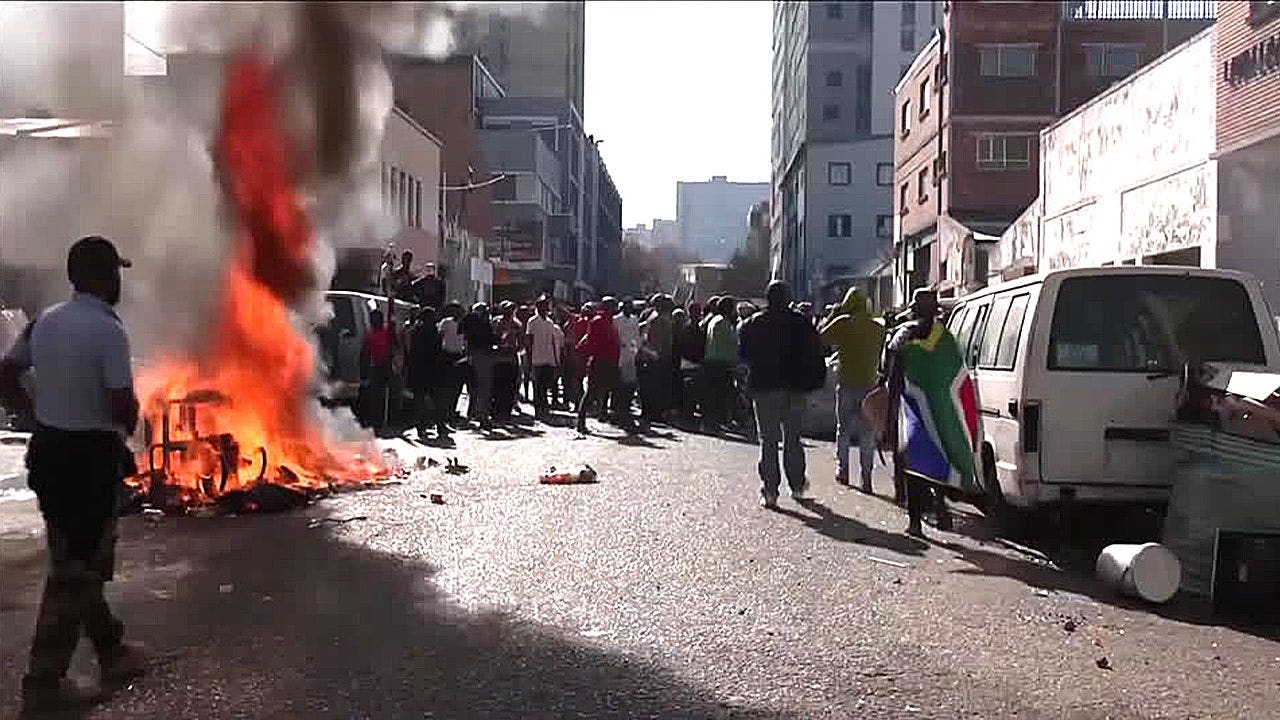
Across South Africa, a wave of intense frustration and economic desperation has boiled over into the streets, triggering some of the most severe anti-immigration protests the country has seen in over a decade. Driven by a deep-seated sense of feeling left behind, thousands of mostly impoverished and unemployed citizens have mobilized to demand the immediate departure of undocumented migrants. Many South Africans feel pushed to the margins of their own economy, arguing that desperate foreign nationals are driving down already scarce wages by accepting sub-standard pay, while also blaming the migrant population for a perceived rise in local crime. What began as organized demonstrations quickly fractured into widespread unrest ahead of a self-imposed June 30 deadline set by activist groups, igniting a national crisis that has left local communities fractured and deeply traumatized.
Behind the political headlines and sweeping statistics lies a devastating human toll, as neighborhoods descend into chaos, looting, and targeted violence. At least four people have lost their lives as angry mobs clashed with residents, while countless businesses have been vandalized and systematically looted. In townships like Soweto and suburban enclaves such as Thembisa, the air has been thick with smoke and the sound of sporadic gunfire, forcing frightened foreign workers to shutter their shops and barricade themselves indoors. The desperation is palpable on the streets; in Durban, landlords fearing retaliatory attacks have illegally evicted foreign tenants, leaving over a hundred Congolese nationals, including families with nowhere else to go, sleeping on cold pavements, exposed to both the elements and the threat of violence.
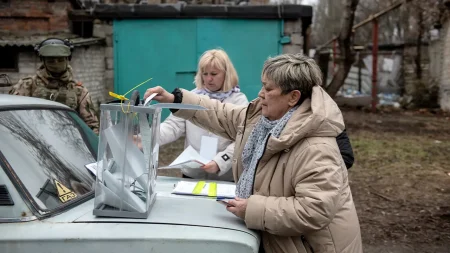
The sheer scale of the hostility has forced the South African government to mount a massive security response, turning residential streets into militarized zones. Thousands of heavily armed police officers have been deployed across major urban centers, with the military placed on standby should the situation spiral further out of control. Tactical vehicles have flooded hotspots like Benoni, where police clashed with hundreds of angry protesters, resorting to rubber bullets and tear gas to disperse crowds that pelted them with stones. Law enforcement leaders have issued stern warnings to the public, insisting that while peaceful protest is a constitutional right, the state will show no mercy to those engaging in anarchy and vigilantism.
Among the prominent organizers fueling this movement is the “March and March” group, which has spearheaded the call for massive, systemic deportations. Led by organizers like Jacinta Ngobese, the group has demanded that the government dedicate its national resources over the next six months to conducting sweep operations from building to building to round up and deport undocumented residents. Despite the escalating violence associated with their cause, the group’s leadership has deflected responsibility for the chaos, arguing that they cannot control the spontaneous frustrations of individual communities. They have vowed to continue organizing weekly marches until their demands are met, rejecting government assertions that only official state authorities have the legal right to enforce immigration laws.
This explosive situation highlights the agonizing paradox of modern South Africa, which remains the continent’s largest and most industrialized economy, yet struggles with systemic inequality and rampant unemployment. Despite these internal struggles, the promise of opportunity continues to draw millions of hopeful migrants from neighboring African nations, with the immigrant population now hovering around 3 million people—roughly four percent of the country’s total population. For these migrants, South Africa represents a beacon of hope and a refuge from hardships in their home countries. However, for struggling locals, this influx is increasingly viewed as an unsustainable pressure on already depleted municipal resources, public services, and housing markets.
As the physical violence temporarily subsides under the watchful eye of heavily armed security forces, the deeper, systemic scars within South African society remain wide open. The current crisis is a stark reminder of the fragile social fabric in a nation still grappling with the legacies of its past and the crushing realities of poverty. With activist groups refusing to back down and vulnerable migrant communities living in constant fear of the next outbreak of violence, the government faces the monumental task of restoring law and order, protecting human rights, and addressing the root economic anxieties of its people before the cycle of violence repeats itself.