






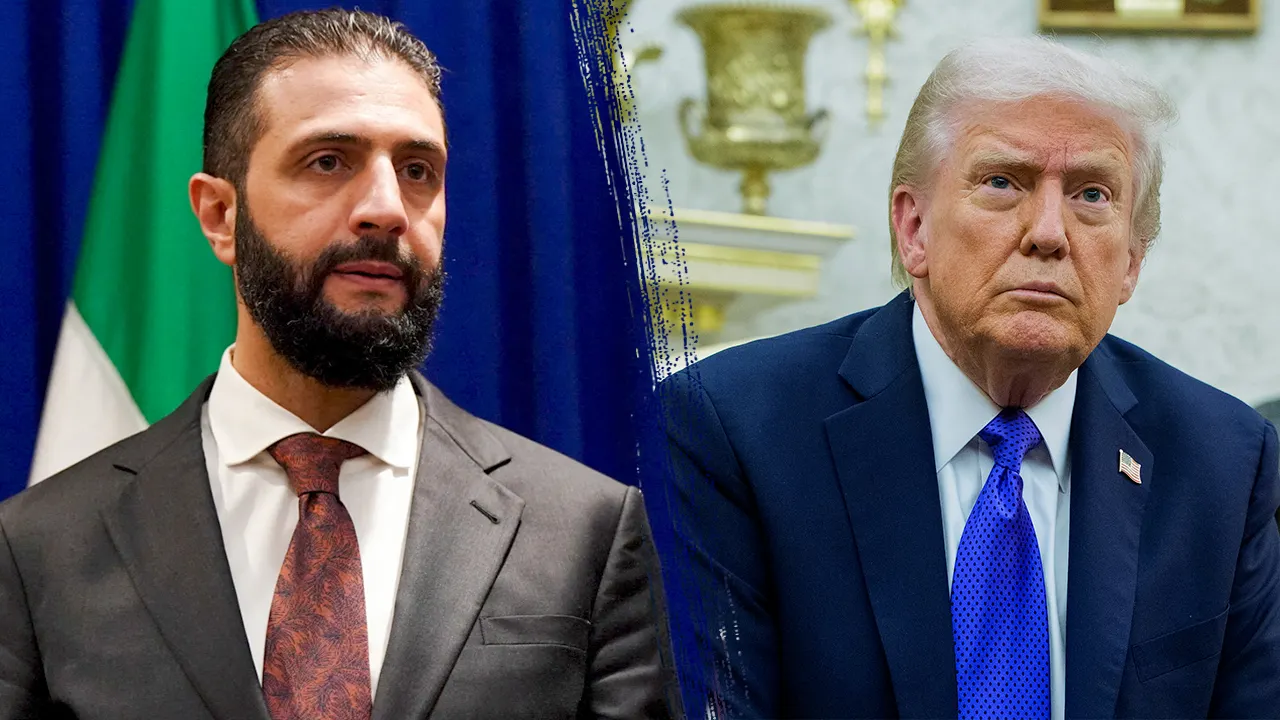
A Nation Reborn: The United States Removes Syria from the Terrorism List
In a move that signals a profound shift in the geopolitical landscape of the Middle East, the United States has formally removed Syria from its list of state sponsors of terrorism. This decision, finalized on Monday, effectively ends decades of international pariah status for the war-torn nation and paves the way for its long-awaited reintegration into the global community. Secretary of State Marco Rubio confirmed that the mandated 45-day congressional notification period had lapsed, clearing the path for the official rescission. For the Syrian people, who have endured nearly fourteen years of devastating civil war, economic collapse, and mass displacement, this represents more than just a diplomatic formality; it is a symbolic turning point. It is a recognition that the old order, dominated by the brutal dictatorship of Bashar al-Assad, is truly gone, replaced by a leadership that Washington now views as an ally in the fight against modern terrorism, albeit one that will require careful observation and continued support.
The formal announcement, which was met with a mixture of cautious optimism and quiet relief in the corridors of power both in Washington and Damascus, was heralded as a historic victory for former President Donald Trump, who initiated the process. A senior State Department official, speaking on the condition of anonymity, explained that Secretary Rubio authorized the rescission after confirming that the conditions had been met. The countdown for this decision began in July, when President Trump, in a direct message to Congress, stated that Syria’s new government had unequivocally ceased its support for international acts of terrorism, a sharp contrast to its predecessor. In a companion action that carries immense symbolic weight, the United States also delisted Hay’at Tahrir al-Sham (HTS), the powerful rebel group that led the offensive to oust Assad in December 2024, from its list of Specially Designated Global Terrorists (SDGT). While HTS had been formed from former Al-Qaeda affiliates, its recent actions have been reclassified in Washington, reflecting a pragmatic shift in alliances rather than a forgetting of past enmities.
The human cost of this decision cannot be overstated. For decades, the “state sponsors of terrorism” designation was the heaviest anchor dragging down the Syrian economy. It deterred foreign direct investment, made international banking transactions nearly impossible, and left the Syrian diaspora—desperate to rebuild their homeland—unable to wire money home or establish legitimate businesses. The sanctions, while often presented as targeted, had a catastrophic ripple effect on an already devastated civilian population, leading to crippling shortages of medicine, electricity, and basic infrastructure. Monday’s announcement changes the calculus. “These actions,” Rubio said emphatically, “represent another historic step by President Trump to give the Syrian people a path to prosperity.” He elaborated that Washington had taken unprecedented steps over the past year to provide sanctions relief, pointing to the June 2025 executive order “Providing for the Revocation of Syria Sanctions,” which terminated the national emergency with respect to Syria and directed a full review of all terrorist designations against the country.
The logic behind the United States’ shift is rooted in a remarkable transformation in Damascus. President Ahmed al-Sharaa, who assumed power after the dramatic ouster of Bashar al-Assad in late 2024, has been the hinge upon which this new relationship turns. Where Assad was a bastion of the Shia crescent and aligned with Iran, al-Sharaa has presented himself as a bulwark against Iranian influence and a pragmatic strongman. Secretary Rubio was explicit in his praise, noting that “in the past year, the Government of Syria has taken significant steps to counterterrorism, to include formally joining the Global Coalition to Defeat ISIS in November and conducting operations to disrupt the terror networks of ISIS, al-Qa’ida, Hizballah, and Iran-aligned groups.” This realignment is seen by the Biden and now Trump administration as a strategic victory, flipping a former adversary of the US into a key security partner in the Levant. The last 15 months have seen a stark reduction in the flow of Iranian weapons through the region, and US intelligence officials quietly acknowledge that the new Syrian leadership has been more forthcoming with counter-terrorism intelligence than the previous government ever was.
For the Syrian people, the immediate impact is economic and psychological. “Lifting the designation would help restore Syria’s links to the global financial system and encourage investment following nearly 14 years of war,” said Syrian Foreign Minister Asaad al-Shibani in a statement following the announcement. The sentiment was echoed by the Governor of the Central Bank of Syria, who called the move a “historic step that returns it to its natural place within the global economic system.” There is a palpable sense that the handcuffs have been removed. However, it is not just about state-to-state relations. The delisting of HTS is also about the everyday Syrian. For years, the threat of US sanctions prevented humanitarian organizations from even repairing water pumps or schools, for fear of running afoul of the US Treasury. Now, there is a genuine hope that reconstruction can begin in earnest. The emotional weight on the ground is heavy; families who lost everything in the war see a light at the end of the tunnel, with the potential for basic services to be restored and for mothers and fathers to find jobs that allow them to feed their children.
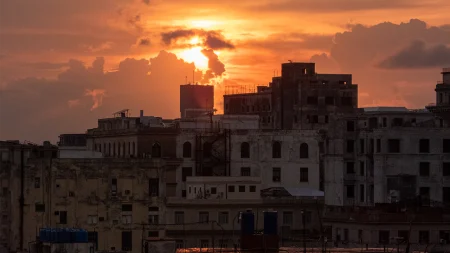
While the initial reaction to this news is overwhelmingly positive among the leadership, the most important reaction lies in the financial markets and the boardrooms of global investors. Treasury Secretary Scott Bessent framed the decision in stark economic terms, stating, “Today’s action will help foster additional investment in Syria to promote political and economic stability.” He added that it aligns with Trump’s promise to deliver sanctions relief to Syria. This unlocks a potential economic boom. We are already seeing early indicators: the Syrian pound has strengthened against the dollar, and construction companies from the Gulf states have pre-positioned to begin infrastructure projects in Aleppo and Damascus. Yet, the leaders are cautious to note that this is a starting line, not a finish line. “The work is not done,” Secretary Rubio stated. “The designation of Cuba, Iran, and North Korea remains the primary focus of our counter-terrorism efforts.” Those three nations now stand alone on the list that once included Syria, a stark reminder of the isolation that the Assad regime’s policies brought upon its own people.
Ultimately, the United States’ decision to remove Syria from the state sponsors of terrorism list is a victory for diplomacy and a calculated bet on the future. It signifies that the international community, led by Washington, is willing to offer a second chance to a nation that has chosen a different path, leaving behind the dark era of war and Assad’s alignment with Iran. It is a story about reopening doors. It is about a Syrian baker in Aleppo who can now afford to buy a new oven, a young man in Damascus who can open a bank account and start a tech startup, and a doctor in Homs who can order vital medical equipment without needing to smuggle it in via neighboring Lebanon. As the sun sets on the first day of this new era, the road ahead is still long and fraught with challenges, but for the first time in a generation, the Syrian people can look toward that road not as a path to exile, but as a highway home to prosperity.