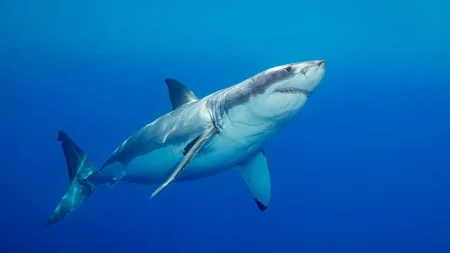





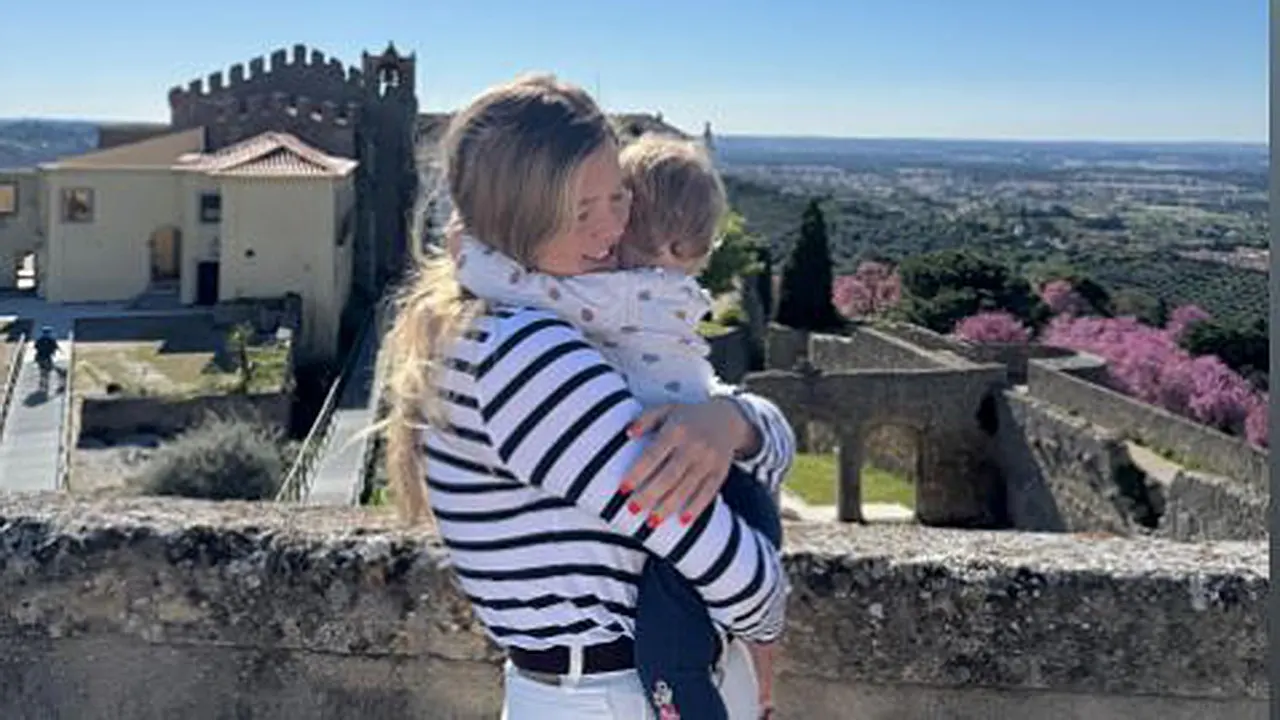
The morning sun rising over the golden sands of Coogee Beach on June 13 offered the kind of picturesque, tranquil coastal scenery that has long made this popular Sydney destination a beloved sanctuary for locals and tourists alike. On this particular day, Leah Stewart, a dedicated and passionate schoolteacher in her mid-30s, as well as a deeply devoted mother, sought solace in the cool morning waves. There is a peaceful rhythm to the Australian coast, a place where families gather to wash away the stress of the week, and Leah was fully wrapped in this comforting routine as she swam close to the shoreline. Nearby on the beach, a close friend watched over her young daughter, August, who was laughing and playing safely in the sand, completely unaware of the sudden horror that was about to unfold. Within moments, the idyllic morning was shattered. A shark struck with terrifying speed and violence, pulling Leah from her gentle swim into a desperate, bloody struggle for survival within the waves. The attack, which targeted her limbs, left the pristine coastal waters stained red and sent waves of sheer panic through the onlookers on the shore. Thanks to the extraordinary bravery and rapid response of nearby bystanders, lifeguards, and emergency personnel, Leah was quickly pulled from the water, her body gravely wounded but her spirit desperately clinging to life. Paramedics worked feverishly on the blood-soaked sand to stabilize her failing vitals before she was airlifted to a local hospital in critical condition. In those fleeting, frantic minutes, a simple family weekend beach trip was transformed into a harrowing, life-altering nightmare, leaving an entire community holding its collective breath as the young mother was rushed into emergency trauma surgery.
Upon her arrival at the hospital, Leah was immediately plunged into a fierce, touch-and-go battle for survival that would push the absolute limits of modern medical science and her own physical endurance. Over the course of the next ten agonizing days, she was placed in a medically induced coma—a vital, protective strategy employed by doctors to shield her brain and allow her severely traumatized body a fighting chance to heal. In the sterile, hushed environment of the Intensive Care Unit, her family began a grueling, heartbreaking vigil. Her mother, her partner Fernando, and her brother stood by her bedside day and night, surrounded by the mechanical sighs and steady, rhythmic beeps of the life-support machinery keeping her alive. Within less than two weeks, Leah’s body became a battlefield, enduring five separate, highly complex surgeries as a team of world-class specialists fought tirelessly to repair the extensive tissue, muscle, and vascular damage caused by the shark’s powerful bite. Ultimately, the medical team had to make the devastating and agonizing decision to amputate her arm to halt further complications and ultimately save her life. For her loved ones, watching her lie completely motionless, suspended in a state between life and death while her physical body underwent such profound trauma, was an emotional crucible of the highest order. Her partner and mother barely slept, holding her remaining hand and whispering soft words of love and encouragement into the sterile ICU air, desperately hoping that somehow, through the thick, heavy fog of chemical sedation, she could hear them and feel their presence.
Then came the moment that her family can only describe as a genuine, breathtaking miracle—a brilliant beam of hope piercing through the darkest days they had ever collectively navigated. After more than a week of total dependency on artificial life-support and enduring successive, exhausting operations, Leah’s medical team determined that her vital signs had stabilized enough to begin the delicate process of reducing her heavy sedation and attempting extubation. As the breathing tube was carefully and successfully removed and the deep, protective fog of her induced coma began to clear, Leah slowly opened her eyes and returned to the waking world. Gazing into the tear-filled eyes of her mother and Fernando, who had become permanent, unwavering fixtures at her bedside, she summoned every ounce of her remaining physical strength and whispered her very first words: “I love you.” The profound, staggering weight of those three simple words instantly dissolved days of accumulated grief, terror, and exhaustion, filling the quiet ICU room with a raw, overwhelming emotion. Yet, true to her core identity as a mother, Leah’s very next thoughts did not linger on her own immense physical pain, the disorientation of waking up in a hospital, or even the devastating reality of her newly amputated arm. Instead, with her very next breath, she immediately asked about her young daughter, August, needing to be absolutely certain that her little girl was safe, sound, and untouched by the horrific events of that fateful morning. This instantaneous display of maternal instinct underscored the unbreakable bond of family and proved to everyone present that, despite the physical devastation wreaked upon her body, the loving soul of who Leah is remained entirely, beautifully intact.
The news of Leah’s miraculous awakening and her first spoken words ignited a massive, overwhelming wave of relief and hope that quickly spread far beyond the hospital walls. Her brother, who had set up a dedicated fundraising page to help mitigate the exorbitant costs of medical care, took to the platform to share the joy with thousands of supporters, describing her awakening as everything they had prayed and hoped for during a week of agonizing uncertainty. While the celebration of her first words is an incredibly vital milestone, Leah’s family remains deeply grounded in the reality of the daunting road that lies ahead. As both a mother of a young child and a professional schoolteacher accustomed to an active life of guiding children, Leah’s day-to-day existence will be fundamentally reshaped as she navigates physical rehabilitation, adapts to limb loss, and explores prosthetic options. The emotional and psychological trauma of surviving such a violent predator attack will also require immense time, counseling, and gentle care to process. The community fundraising campaign has transformed into a beautiful testament to human connection, raising significant funds to help ease the financial burden of her upcoming rehabilitation, home modifications, and future prosthetic needs. The vast outpouring of financial and emotional support from colleagues, former students, neighbors, and complete strangers around the globe highlights a profound collective empathy, demonstrating that when a senseless tragedy strikes an individual, humanity has an incredible capacity to band together to carry them through the darkness.
This heart-wrenching incident occurred during a particularly tense and somber period for ocean lovers along the coasts of Australia, shedding light on the complex, beautiful, and sometimes terrifying relationship between human communities and the wild marine ecosystems they share. Leah’s attack is part of a sobering trend, with three men tragically losing their lives to shark encounters in Australian waters since May alone, alongside the devastating loss of a 12-year-old boy in Sydney Harbor in January. These tragic statistics have reignited intense, nationwide conversations surrounding beach safety protocols, shark mitigation technologies, and the delicate balance of marine conservation. For Australians, the ocean is far more than just a geographic feature; it is a cultural cornerstone, a place of recreation, mental wellness, and deep connection to nature, which makes these recurring encounters feel deeply personal and distressing. Leah’s survival stands out as a rare, deeply cherished beacon of success in a season otherwise darkened by grief and loss. Her survival is not only a tribute to her personal physical resilience but also a triumph for the rapid-response emergency networks, including the paramedics, helicopter rescue crews, and trauma surgeons whose split-second decisions prevented another tragic statistic. Her recovery serves as a poignant reminder that while we must deeply respect the power and wildness of the ocean, the human spirit possesses an extraordinary capacity to survive against the most formidable odds.
Ultimately, Leah Stewart’s ongoing journey is not merely a sensationalized headline of a horrific shark attack, but a deeply human and inspiring narrative of survival, love, and the indomitable power of the human spirit. Although her physical body has been forever altered and the journey toward physical and emotional recovery will be long and challenging, her awakening proves that her core essence remains unbroken by the trauma she endured. Facing a future that will undoubtedly look very different from the one she had originally planned, Leah is blessed with an ironclad, fiercely protective support system of family, friends, and an entire community of well-wishers determined to walk beside her every single step of the way. Her first words of love to her family and her immediate, instinctual concern for her young daughter, August, serve as a beautiful, universal reminder of what truly matters in life when everything else is stripped away in an instant. As she begins the monumental task of physical therapy, adapting to her new physical reality, and processing her thoughts, her story shines brightly as a testament to courage. She has shown us that even in the wake of unexpected tragedy, or when faced with the dark depths of the unknown, the human heart has an extraordinary, almost miraculous capacity to adapt, heal, and find its way back to the light.