




The global geopolitical stage is once again tense with the threat of nuclear escalation, as old anxieties collide with modern diplomacy. At the heart of this latest diplomatic storm is Israeli Prime Minister Benjamin Netanyahu, who recently reacted with fierce defiance to resurfaced remarks attributed to Ahmad Vahidi, a prominent commander of the Iranian Revolutionary Guard Corps (IRGC) and Iran’s former interior minister. The comments in question, which originally went viral after being amplified by Israeli media, featured Vahidi cryptically warning that “Iran’s hand is open” and that the regime could take unprecedented actions it has hitherto avoided, despite its official stance that a nuclear bomb is not on the table. Though subsequent investigations revealed that these comments were not entirely fresh, the raw nerve they struck across the international community was very real. Speaking at a solemn state ceremony marking the reinterment of Shimon and Rivka Herzl—the grandparents of Theodor Herzl, the founder of modern Zionism—Netanyahu seized the moment to deliver an uncompromising message. He declared that whether or not the international community secures a diplomatic agreement with Tehran, Israel remains absolutely determined to do whatever is necessary to prevent Iran from ever possessing a nuclear weapon. For Netanyahu, Israel’s survival is non-negotiable, and his words served as a stark reminder of the deep-seated survival instincts that drive Israeli defense policy in an increasingly hostile neighborhood.
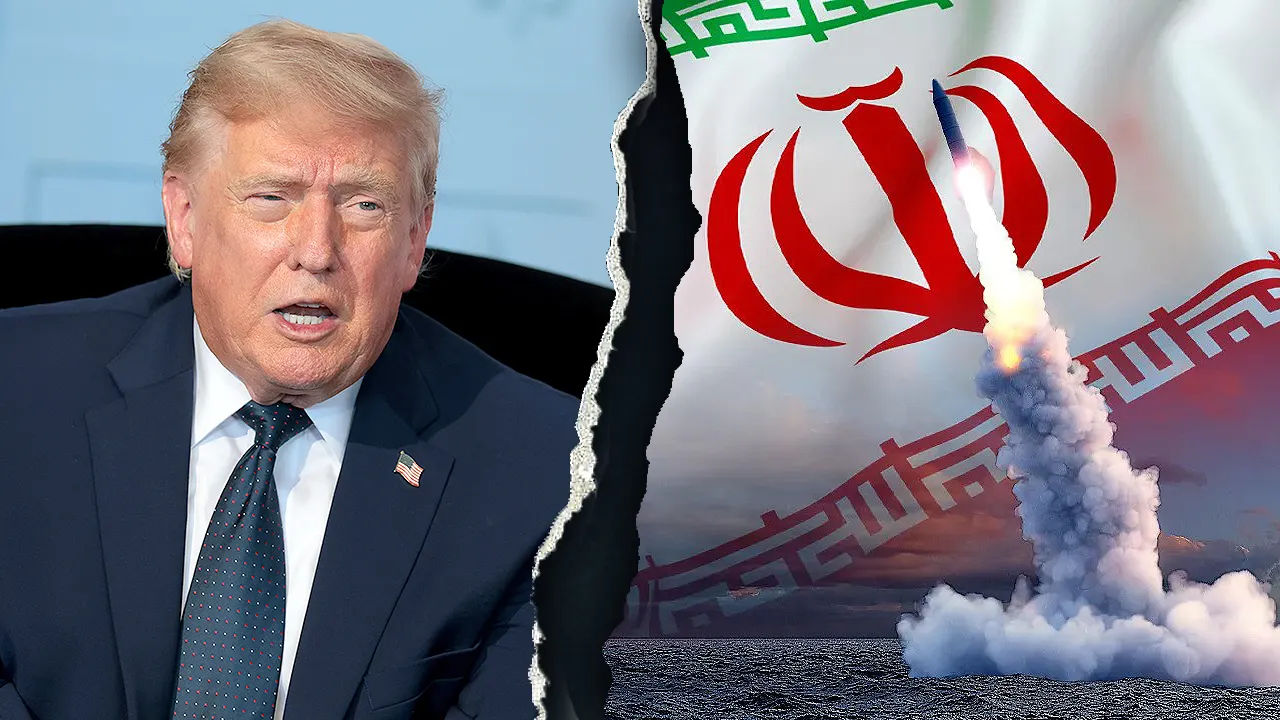
Meanwhile, the Trump administration is navigating a high-wire act of coercive diplomacy, attempting to balance aggressive military deterrence with the promise of a grand bargain. President Donald Trump has made his bottom-line abundantly clear: under no circumstances will Iran be permitted to cross the nuclear threshold. In a recent interview, Trump warned that if Iranian negotiators back out of the ongoing talks, they will face a devastating military response, stating bluntly that “they’re going to get hit really hard” and that while he hopes military force will not be necessary, it remains a fully viable option on his table. Yet, the administration’s tactical approach has raised eyebrows among seasoned foreign policy analysts. Trump’s current strategy focuses heavily on sequencing, with negotiators prioritizing the resolution of the crisis in the Strait of Hormuz—the vital global shipping artery that has been repeatedly disrupted by regional conflict—before turning their attention to Tehran’s nuclear program. While Trump has described these initial discussions as highly productive and characterized by a spirit of good faith, this specific sequencing has triggered a intense debate over whether the United States is inadvertently stepping into a masterfully designed Iranian trap.
Prominent nonproliferation experts are waving urgent red flags, warning that prioritizing maritime security over nuclear rollbacks could strip the United States of its most valuable economic leverage. Andrea Stricker, the deputy director of the Foundation for Defense of Democracies’ Nonproliferation and Biodefense Program, argues that this sequence plays directly into Iran’s strategic interests. By steering the initial phase of negotiations toward the Strait of Hormuz, Tehran hopes to secure major concessions, including oil sanctions relief and the removal of the U.S. blockade, in exchange for merely halting its harassment of commercial shipping. If the Trump administration capitulates to these terms early on, it risks entering the subsequent nuclear negotiations with virtually no leverage left to demand deep, permanent concessions on Iran’s uranium enrichment and nuclear infrastructure. This concern is grounded in past behavior; intelligence reports have long indicated that Tehran’s primary goal is to preserve its highly enriched uranium stockpiles and domestic nuclear capabilities while securing the immediate economic lifelines necessary for the regime’s survival. By allowing Iran to decouple maritime security from nuclear disarmament, critics fear the U.S. may wind up with a weak, superficial agreement that fails to address the underlying existential threat.
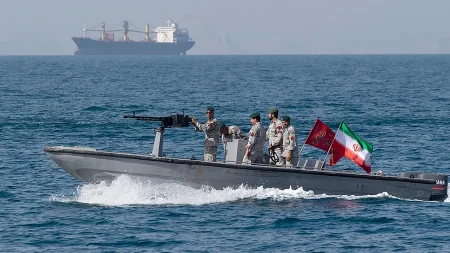
The strategic importance of the Strait of Hormuz cannot be overstated, as it serves as both a literal choke point for global trade and a metaphorical lever for Iranian foreign policy. Recent reports suggest that Tehran is actively trying to institutionalize its influence over this critical waterway through a proposed maritime agreement brokered by Oman. Under this potential arrangement, Iran could obtain unprecedented “control” over vessels entering the Persian Gulf, alongside the authority to levy mandatory transit charges on passing ships—provisions that the United States has vehemently opposed. This push for maritime dominance is a calculated effort to exploit Western dependency on global shipping lanes to extract geopolitical concessions without giving up anything of substance on the nuclear front. By holding the world’s energy supply hostage, Iran has successfully shifted the focus of international diplomacy away from its nuclear centrifuges and onto the immediate safety of commercial trade. This shifting dynamic has forced Western negotiators into a defensive posture, compelling them to treat a manufactured regional crisis as a primary negotiating chip rather than addressing the long-term, systemic threat of Iranian nuclear proliferation.
Adding to the complexity of the crisis is the sobering reality that military action alone cannot permanently erase Iran’s nuclear ambitions, a point emphasized by leading arms control advocates. Kelsey Davenport, the director for nonproliferation policy at the Arms Control Association, points out that the fundamental challenge lies in the fact that Iran’s relevant scientific knowledge and nuclear expertise cannot be bombed away. Over the decades, Iranian scientists have mastered the complex technologies required to construct a nuclear weapon, meaning that even if physical facilities are destroyed, the intellectual blueprint remains intact. Furthermore, a glaring obstacle to any successful negotiation is the current lack of transparency; the International Atomic Energy Agency (IAEA) has been barred from visiting key Iranian nuclear sites for over a year, leaving a massive blind spot in global intelligence. Without robust, immediate inspections to verify the current state of Iran’s nuclear materials and centrifuge stockpiles, any negotiated deal would be built on a dangerous foundation of guesswork. Davenport emphasizes that restoring IAEA access must be an absolute prerequisite to any formal talks, as negotiators cannot expect to design an effective verification regime without first knowing exactly what infrastructure still exists.
To avoid falling into a diplomatic quagmire, experts are urging the Trump administration to adopt a much more calculated, transactional approach to the talks. Davenport advocates for a series of smaller, confidence-building measures where incremental sanctions relief is directly paired with verifiable Iranian rollbacks, rather than trying to hammer out one sweeping, all-or-nothing package that could easily collapse. Conversely, Stricker insists on a more rigid strategy, arguing that every single concession made by the West—whether it involves lifting shipping blockades, easing sanctions, or granting maritime leeway in Hormuz—must be explicitly tied to a measurable, physical dismantling of Iran’s nuclear capabilities. The consensus among analysts is clear: the United States must not let the urgent crisis of the Strait of Hormuz overshadow the ultimate danger of a nuclear-armed Tehran. As the high-stakes chess match continues, the decisions made in the coming months will not only shape the future of the Middle East but will also determine whether the international community can successfully prevent a catastrophic nuclear arms race in one of the most volatile regions on Earth.