


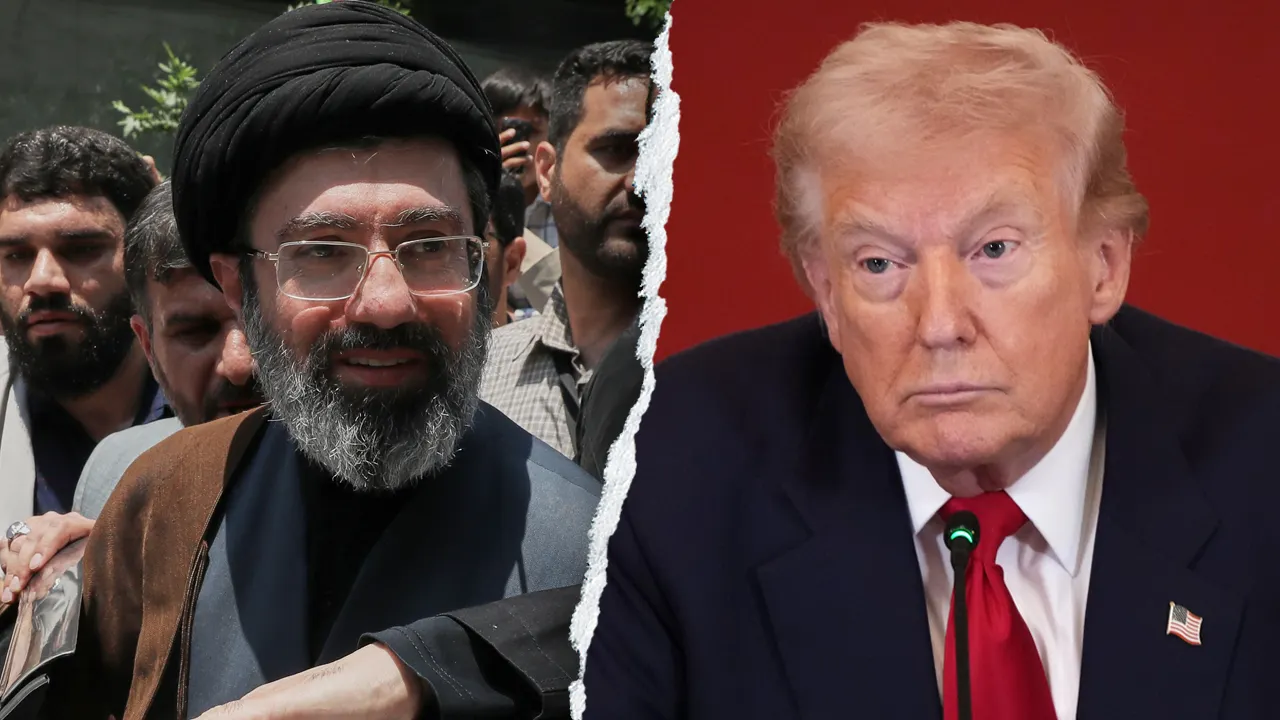
In the high-stakes, shadow-filled arena of Middle Eastern diplomacy, a dramatic ideological tug-of-war has erupted between Washington and Tehran, transforming social media feeds and diplomatic backchannels into a modern-day battleground. The opening salvo came from former President Donald Trump, who recently initiated a flurry of high-level phone calls to key regional leaders in Saudi Arabia, the United Arab Emirates, Qatar, Turkey, Pakistan, Egypt, Jordan, and Bahrain. Trump’s strategic objective was clear: breathe new life into the landmark 2020 Abraham Accords, aiming to bind these powerful nations together under a US-backed security umbrella that promises long-term stability and economic integration. For the citizens of these Gulf nations, who have spent decades navigating the volatile currents of regional conflicts, the prospect of a formalized, American-brokered alliance represents a deeply attractive, yet fragile, promise of domestic peace and global modernity.
However, this diplomatic overture did not go unanswered in the halls of power in Iran. Within mere hours of Trump’s pitch, Mojtaba Khamenei—the increasingly visible and powerful son of Iran’s Supreme Leader—launched a swift online counteroffensive that sent shockwaves through the region’s geopolitical landscape. Writing with calculated urgency on the social media platform X, Khamenei threw down a symbolic gauntlet by calling for a “New Islamic Civilization” and summoning the Muslim world to consolidate under the banner of the “Ummah.” Wrapping his political ambitions in deeply evocative, spiritual language, he invited regional governments to abandon Western alliances in favor of a “friendship and cooperation in goodness.” Yet, beneath this poetic appeal to religious brotherhood lay a stark, revolutionary warning: West Asia, he declared, would no longer serve as a safe haven for American military mischief or foreign bases. This sudden rhetorical pivot was a deliberate bid to force Gulf leaders into a historic choice between Washington’s protective shield and Tehran’s vision of an independent, anti-imperialist Islamic coalition.
To foreign policy analysts, this sudden clash represents far more than just a war of words; it is a calculated campaign by Iran to position itself as the undisputed “new sheriff” of the neighborhood. According to counterterrorism experts like Dr. Omar Mohammed of George Washington University, Khamenei’s statement is a direct, targeted attack on the normalization process with Israel. By framing American military installations on Muslim soil as an offensive occupation that must be aggressively dismantled, the Iranian regime is attempting to leverage deep-seated historical grievances and wrap its own imperial ambitions in the deceptive guise of divine will. This aggressive public posturing comes at a delicate moment, as Mojtaba Khamenei continues to step out of the shadows and establish his footprint on the global stage. Yet, the mysterious, often unreachable nature of Iran’s supreme leadership adds a layer of frustrating complexity for regional diplomats, who are forced to navigate crucial backchannels through intermediaries like President Masoud Pezeshkian while the true architects of Iranian policy remain entirely elusive.
But for the ordinary people living in the capital cities of the Gulf, the suddenly warm and brotherly rhetoric radiating from Tehran strikes a profoundly hollow, even terrifying, chord. The raw reality of the past several months stands in violent contradiction to Iran’s poetic promises of Islamic unity. While Mojtaba Khamenei speaks of “sincerity and purity of intention,” his regime’s proxy forces have spent his country’s shadow wars actively raining fire upon the very nations he now invites to brotherhood. Countries like Bahrain, Qatar, Kuwait, and the UAE have repeatedly had to activate their air defense systems to protect their citizens from devastating aerial assaults. In the UAE alone, defense forces have intercepted nearly 2,000 hostile drones and hundreds of ballistic missiles in a relentless barrage of attacks. For the families who have sat huddled in their homes listening to the terrifying wail of air raid sirens, the physical reality of Iranian aggression far outweighs any digital promises of a unified Islamic utopia.
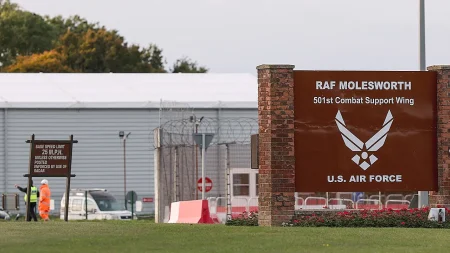
This violent tension places Gulf leadership at a critical strategic crossroads, particularly regarding the massive American military installations they host on their soil. These bases—including the US Navy’s massive Fifth Fleet in Bahrain, the buzzing runways of Al Dhafra Air Base in the UAE, and the sprawling command operations at Al Udeid Air Base in Qatar—are not merely symbols of geopolitical alignment; they are the literal lifelines of security that keep these nations safe from regional hegemony. By hosting these forces, Gulf capitals have painted targets on their own backs, absorbing months of retaliatory Iranian fire. The sheer strategic absurdity of Tehran expecting these nations to simply forgive months of military bombardment, dismantle their defensive alliances with the West, and willingly sign onto a domestic alliance led by their chief aggressor reveals the deep disconnect between Iran’s revolutionary propaganda and the hard realities of regional defense.
Ultimately, the deepest anxieties keeping Gulf rulers and their citizens awake at night do not stem from Mojtaba Khamenei’s grandiose invitations, which they view with deeply rooted skepticism. Instead, their true fear lies in the unpredictable nature of American domestic politics and the looming threat of Western abandonment. Gulf leaders watch the ongoing, secretive negotiations between Washington and Tehran with profound apprehension, terrified that a desperate or naive US administration might sign a peace deal that ultimately rewards Iranian aggression. The nightmare scenario for these nations is an agreement that returns billions of dollars in frozen assets to Tehran while leaving its deadly ballistic missile programs and regional proxy networks entirely intact. For the people of the Gulf, true peace cannot be built on empty rhetoric or cynical compromises; it requires a steadfast, unwavering commitment to defense, a realistic view of regional threats, and a security partner whose resolve does not waver when the missiles begin to fly.