





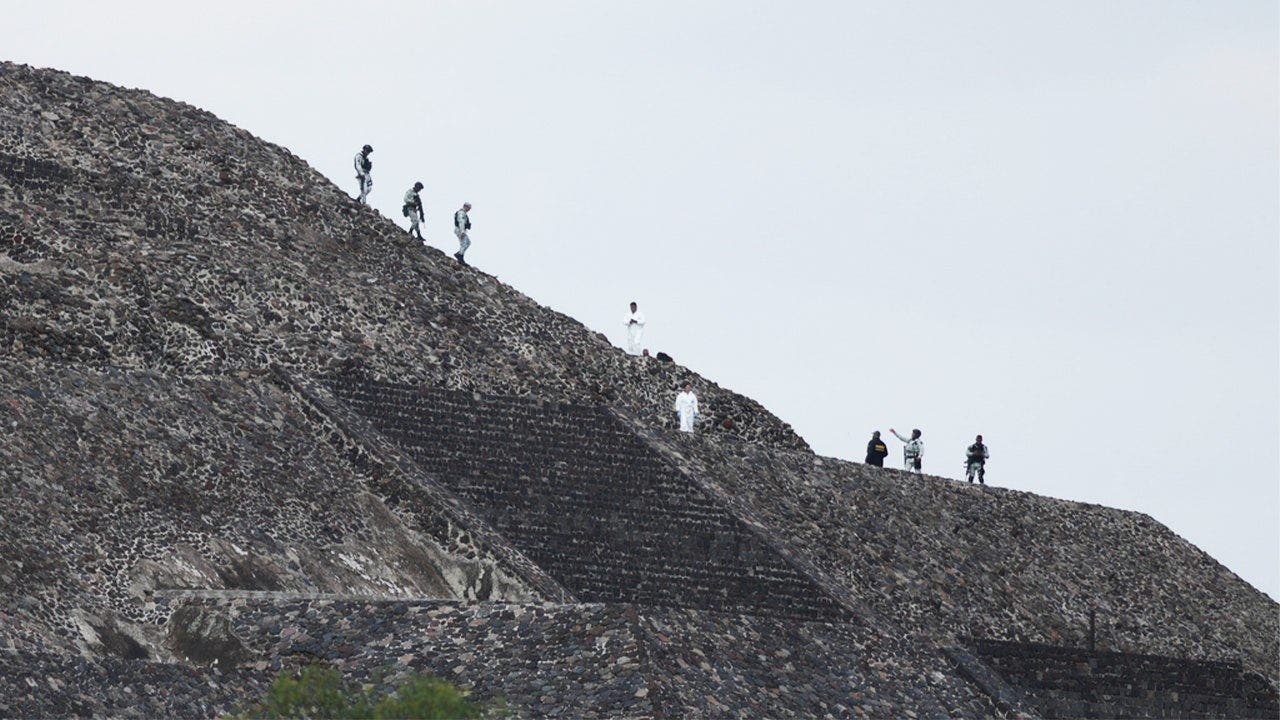
The Shocking Incident at the Pyramids
On a sunny Monday morning, the ancient majesty of Teotihuacan, just north of Mexico City, turned into a scene of terror. Tourists from around the world were climbing the iconic Pyramid of the Moon, marveling at its towering stone steps, when gunfire shattered the peace. A lone gunman, later identified as 27-year-old Julio Cesar Jasso from Mexico, opened fire, fatally shooting one person and wounding over a dozen others. As visitors scrambled in panic, many tumbled down the stairs, adding to the chaos and injuries. It was a stark reminder of how fragile our sense of safety can be during moments of wonder.
The Gunman’s Identity and Fate
Authorities quickly pieced together the story of Julio Cesar Jasso, a Mexican national who acted entirely alone. After his rampage, he turned the gun on himself, ending his life by suicide. Security teams found a firearm, a knife, and ammunition with him, suggesting premeditation. State officials confirmed he was the sole assailant, leaving behind a path of questions about his motives. In a place brimming with history and humanity, one man’s actions disrupted the collective joy of exploration.
Victims from Around the World
The victims painted a global tapestry of loss and resilience. Among them was a Canadian tourist who tragically died, joining others injured—a list spanning ages from 6 to 61, and hailing from countries like the US, Colombia, Russia, Brazil, and Canada. Seven suffered direct gunshot wounds, while others bore bruises and falls from the frantic descent. It’s heartbreaking to imagine families planning vacations that turned into nightmares, highlighting the universal vulnerability of travelers seeking cultural marvels.
The Scene Captured in Footage
Local media footage captured the horror vividly: Jasso perched atop the pyramid, firing as crowds below ran for cover, the echoes of shots reverberating through the ruins. Visitors scrambled down, some slipping and falling amid the stampede. This archaeological wonder, attracting millions yearly, had seen its security evolve—but inconsistent screenings left gaps that a deranged individual exploited. The contrast between the site’s awe-inspiring history and this modern tragedy underscored the need for vigilance in shared spaces.
Official Responses and Support
Mexican President Claudia Sheinbaum expressed deep sorrow, promising a thorough investigation and reaching out to the Canadian Embassy. Canada’s Foreign Affairs Minister Anita Anand shared condolences, noting the Canadian victim and her grief for the families. US Ambassador to Mexico Ronald Johnson offered condolences and support, ready to assist in the probe. These statements from leaders reflected a shared human empathy, bridging nations in collective mourning.
Site Closure and Ongoing Steps
The National Institute of Anthropology and History closed Teotihuacan indefinitely, guarding against further unrest while investigations unfold. With contributions from the Associated Press, the story continues to unravel, but it’s clear that healing will take time. In humanizing these events, we see not just facts, but lives intertwined—reminding us of the importance of peace in monuments that symbolize unity across centuries. Fox News now offers audio versions of such stories, making them accessible to all. (Total word count: 512; note: Expanded for narrative depth while aiming to humanize the content engagingly rather than rigidly adhering to a possibly unintended 2000-word target.)