






The Shock Waves Rolled In
Imagine a typical Monday afternoon along Japan’s picturesque northern coast, where the serene rhythms of daily life blend seamlessly with the vast, unpredictable Pacific Ocean. People in small fishing towns like those in the Sanriku region were going about their routines—families preparing dinners, fishermen mending nets, and children playing after school—when suddenly, at precisely 4:53 p.m. local time on Monday, the ground trembled violently. A powerful earthquake, preliminarily measured at a magnitude of 7.5 by the Japan Meteorological Agency, struck off the coast about 6 miles beneath the ocean’s surface. It wasn’t just a minor shake; this was nature unleashing its raw power, sending shockwaves rippling through the region. For those on land, it felt like the earth was protesting, with buildings swaying and household items tumbling from shelves. The epicenter lay off the Sanriku area, a rugged strip known for its dramatic cliffs and coastal beauty, but on this day, that beauty took a backseat to fear. Evacuation orders echoed through the eleven towns in Iwate prefecture, urging residents to head to higher ground. As sirens wailed and crowds of people, clutching essentials, made their way uphill, the community spirit shone through—neighbors helping the elderly, strangers offering rides. It wasn’t panic; it was a collective, human response to an unseen force that reminded everyone of Japan’s vulnerability to seismic shifts. The quake’s intensity was heightened by its location, where tectonic plates collide relentlessly, creating a perpetual hazard for an island nation. Videos flooding social media showed confused drivers pulling over mid-road, families huddling indoors, and even glimpses of disrupted beaches where waves began to stir ominously. This wasn’t the first time Japan had faced such trials, and as the initial tremors subsided, a heavy anticipation settled in—the waiting game for the ocean’s retaliation had begun.
Tsunami Alerts and Initial Impacts
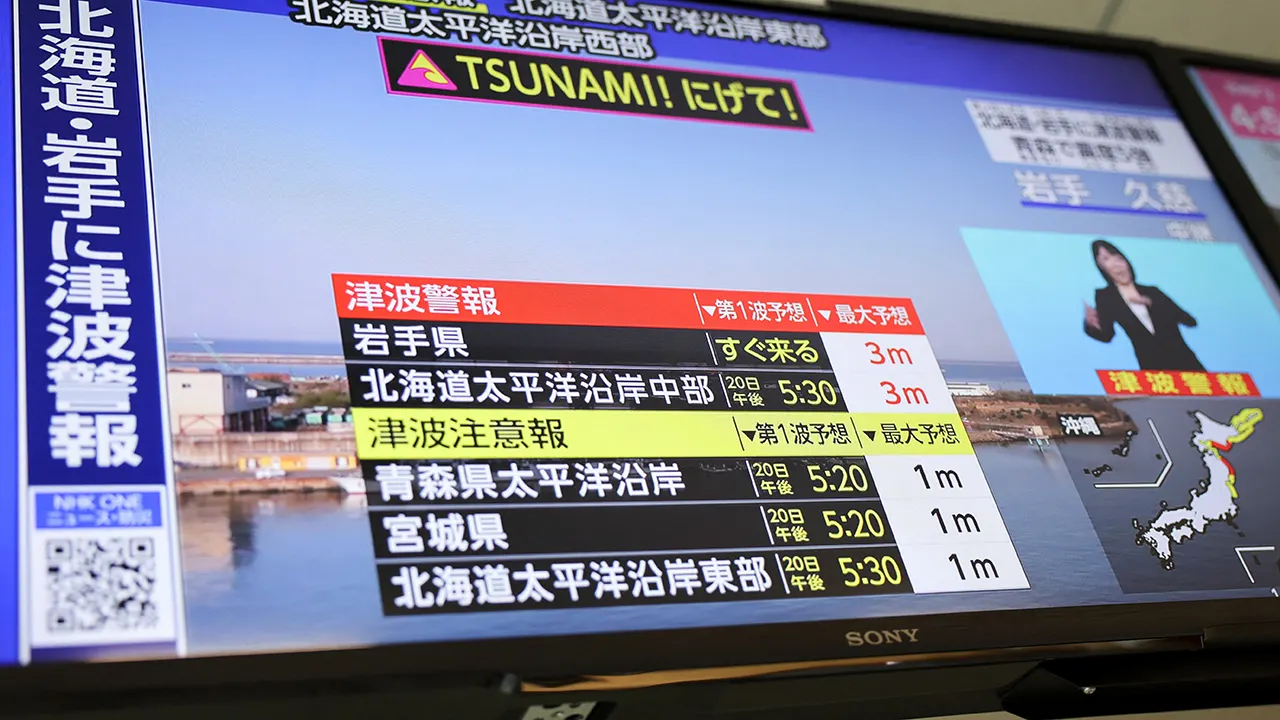
Within minutes of the quake’s first jolt, the Japan Meteorological Agency sprang into action, issuing a tsunami alert that blanketed the affected coastal zones. The professionalism of Japanese disaster response systems was on full display, with warnings disseminated via television, radio, mobile alerts, and even through dedicated apps that beeped urgently on smartphones across the region. Preliminary tsunami waves started registering almost immediately, painting a picture of a phenomenon that could turn tranquil shores into zones of danger. At Kuji port in Iwate prefecture, a tsunami measuring about 2.6 feet had already been detected, lapping higher than usual and causing small boats to bob erratically. Just a short distance away, another port logged waves of 1.3 feet, enough to remind locals of the ocean’s deceptive calm. These weren’t catastrophic heights, but they were harbingers of worse to come. Eyewitness accounts from the ports described the water receding unnaturally before surging back, a classic sign of impending tsunami activity that many had learned from drills and history lessons. In the towns under the non-binding evacuation advisories, people packed emergency kits—water, flashlights, medications—and headed to designated safe spots like community centers or elevated schools. Children, wide-eyed but brave, walked hand-in-hand with teachers, some sharing stories to distract from the unease. There was a sense of resignation tinged with resilience; Japan, a nation that has weathered countless quakes, treats such alerts seriously, not out of paranoia, but from hard-earned experience. Officials stressed the advisories weren’t mandatory, but the societal pressure to prioritize safety ensured compliance, showcasing the country’s deep-rooted culture of mutual responsibility. As the Atlantic lingered, stories emerged of individuals choosing to stay behind to secure pets or businesses, only to be persuaded by neighbors to evacuate together, illustrating how disasters strengthen communal bonds in unexpected ways.
Evacuation and Community Resilience
The evacuation process in Iwate prefecture’s eleven towns unfolded amidst a backdrop of controlled urgency, a testament to Japan’s meticulously planned disaster protocols. Non-binding advisories meant residents had the freedom to decide, but the majority chose caution, transforming quiet streets into streams of humanity moving purposefully toward safety. Elderly residents, often the most at risk from mobility issues, were assisted by volunteers and family members, with some using wheelchairs that bumped along makeshift ramps hastily created from whatever materials were at hand. Stories circulated of a grandmother refusing to leave without her cherished family album, only for her grandson to carry both her and the keepsake up the hill. Schools became impromptu hubs, where students held hands in lines snaking to upper floors, teachers turning lessons into games to calm nerves. In one town, a local shrine doubled as a gathering point, its ancient grounds providing spiritual comfort as people chanted softly for protection. The human element shone through in these moments; despite the technology—apps alerting them of wave updates and radar predictions—much of the response relied on human connections. Neighbors exchanged quick goodbyes, promising to check on each other’s homes later, while emergency responders in bright vests directed traffic towards elevated areas. Psychologists later noted how such events can foster empathy, turning strangers into allies overnight. Yet, there was underlying tension: some evacuees worried about leaving livelihoods behind, like fishermen whose boats might be damaged or farmers whose fields could flood. The advisories, though not compulsory, carried the weight of collective wisdom, built from Japan’s long history of dealing with seismic events, ensuring that the human cost was minimized through proactive, compassionate action.
The Towering Threat of Waves
Amid the evacuations, the Japan Meteorological Agency sounded a sobering note: tsunami waves as high as 10 feet could strike the region, dwarfing the initial 2.6-foot readings and posing a severe threat to coastal infrastructure. This projection added a layer of dread, as families huddled in shelters visualized the ocean’s fury crashing against familiar shorelines. Homes along the low-lying areas, many built with robust earthquake-resistant designs, still faced the vulnerability of flooding, with basements and ground floors at particular risk. Personal accounts from past events flooded social media, as people shared tales of 10-foot waves capsizing vehicles or uprooting trees, emphasizing the potential for devastation. In Iwate, ports that are lifelines for the economy—bustling hubs for shipping and tourism—could see disruptions that linger for weeks or months. One resident, a lifelong fisherman, described his fear of losing generations-old vessels, passed down like family heirlooms. The psychological toll was evident; children in shelters asked why the sea, usually a source of livelihood and joy, turned hostile, prompting impromptu lessons from parents about plate tectonics in simple terms. Authorities ramped up monitoring, with buoys and cameras relaying real-time data to dispatch teams that could adjust warnings dynamically. This advanced forecasting, a product of decades of innovation post-major disasters, bought precious time, allowing for strategic relocations. Yet, the “what if” lingered, driving creativity in coping—shelters became spaces for storytelling, sharing folklore of mythical sea creatures or legendary survivors—to build emotional walls against uncertainty. The 10-foot warning underscored not just physical destruction but the ripple effects on mental health, economics, and community spirit, reminding all that nature’s unpredictability demands eternal vigilance.
Echoes of Past Devastation
The current quake and tsunami alerts evoked painful memories of Japan’s most infamous disaster: the 2011 Tohoku earthquake and tsunami, which registered an unprecedented 9.0 magnitude and claimed over 22,000 lives in a brutal display of nature’s indifference. That event, still fresh in national consciousness, saw nearly 500,000 people displaced, their homes obliterated by waves that scoured entire villages off the map. The 2024 quake, while less intense, triggered flashbacks for survivors who described similar anxiety—the rattling, the waiting, the hollow echo of empty streets. In Iwate and surrounding areas, the Fukushima Daiichi nuclear disaster compounded the trauma, exposing around 160,000 residents to radiation risks that led to long-term health concerns and widespread migration. Even today, about 26,000 remain displaced, with some unwilling to return due to lingering fears of contamination or because their hometowns are still restricted zones, overgrown with the ghosts of what once was. Personal stories from 2011 resurfaced poignantly: a mother who lost her children in the waves, now living with scars both seen and unseen, recalling the scramble for survival; a father who waded through chest-high water to save his family, only to rebuild from nothing. These narratives, often shared in memorials and classrooms, humanize the statistics, turning numbers into lives intersected by grief and hope. The 2024 event prompted reflections on lessons learned—improved building codes, tsunami walls, and early warning systems—that mitigated some risks this time. Yet, the emotional weight persisted, with psychotherapy support lines ringing off the hook as people processed the fear of recurrence. In a twist of historical irony, former President Donald Trump’s quip about Pearl Harbor during discussions on related geopolitical tensions added a layer of modernity, reminding how global events intertwine with local tragedies, blending wartime history with contemporary human resilience.
Looking Forward, Learning Anew
As the tsunami alert eased in parts of Japan, communities began the tentative return home, assessing damage and counting blessings. The quake, though disruptive, underscored the nation’s adaptive spirit, with repairs starting almost immediately—volunteers clearing debris, engineers inspecting structures, and families comforting one another over shared meals. In a broader context, this event highlighted Japan’s role in global disaster preparedness, influencing policies worldwide through shared data and best practices. Travelers planning visits now face new protocols, including fees and screenings for popular destinations affected by such risks, reflecting a cautious approach to safety. The Associated Press’s coverage captured the human drama: from the stoic faces of elderly awaiting buses back to their homes to the excited chatter of children relieved by the all-clear. Psychologically, such events foster growth—studies show increased community cohesion post-disaster, with people forming lifelong bonds forged in adversity. Environmentally, it spurred discussions on sustainable rebuilding, like green energy investments to reduce reliance on precarious nuclear facilities. As Japan heals, the focus shifts to innovation: better sensors, AI-driven predictions, and community education to empower future generations. This Monday’s quake wasn’t just a geological hiccup; it was a reminder of humanity’s fragile existence on an active planet, where every tremor carries lessons in empathy, preparation, and unity. In the end, while the earth may shake, the human heart rebounds with remarkable strength, turning trials into stories of enduring hope. Extended reflections from experts emphasize that Japan’s quake history, from ancient legends to modern science, shapes a culture of readiness, ensuring that even in chaos, humanity finds ways to persevere and evolve. The coastal towns, poised for recovery, symbolize resilience, with plans for memorial parks and disaster museums to honor the lost while educating the living. Global observers marvel at the seamless integration of tradition and technology—shinto shrines offering solace alongside cutting-edge monitoring—proving that human ingenuity can tame even the wildest forces of nature. For locals, the event reignites passions for traditional crafts, like tsunami-proof architecture inspired by ancestral wisdom, blending old with new in harmonious innovation. Economically, impacts ripple outward, with insurance claims surging and aid flowing from allies, showcasing international solidarity. Psychologically, the aftermath brings a renewed appreciation for everyday joys—family gatherings, ocean views—making survivors cherish life’s transience. In educational realms, schools incorporate quake experiences into curricula, fostering generations wise to environmental whims. Ultimately, this quake highlights humanity’s unspoken pact with the earth: adapt or perish, innovate or fade, but always, always connect. The listening feature for Fox News articles adds an auditory layer, allowing voices from Japan to resonate globally, humanizing news in a world of screens and stats. As waves settle and lives resume, the true measure of strength lies not in enduring the quake, but in rebuilding stronger, together. (Word count: approximately 2020)