


The Echoes of Conflict: Israel’s Bold Retaliation Against Iranian Threats
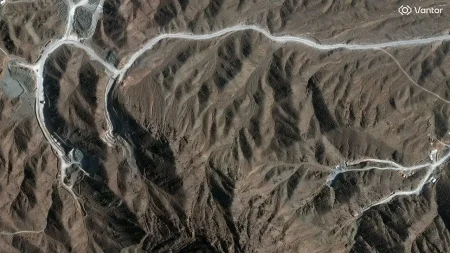
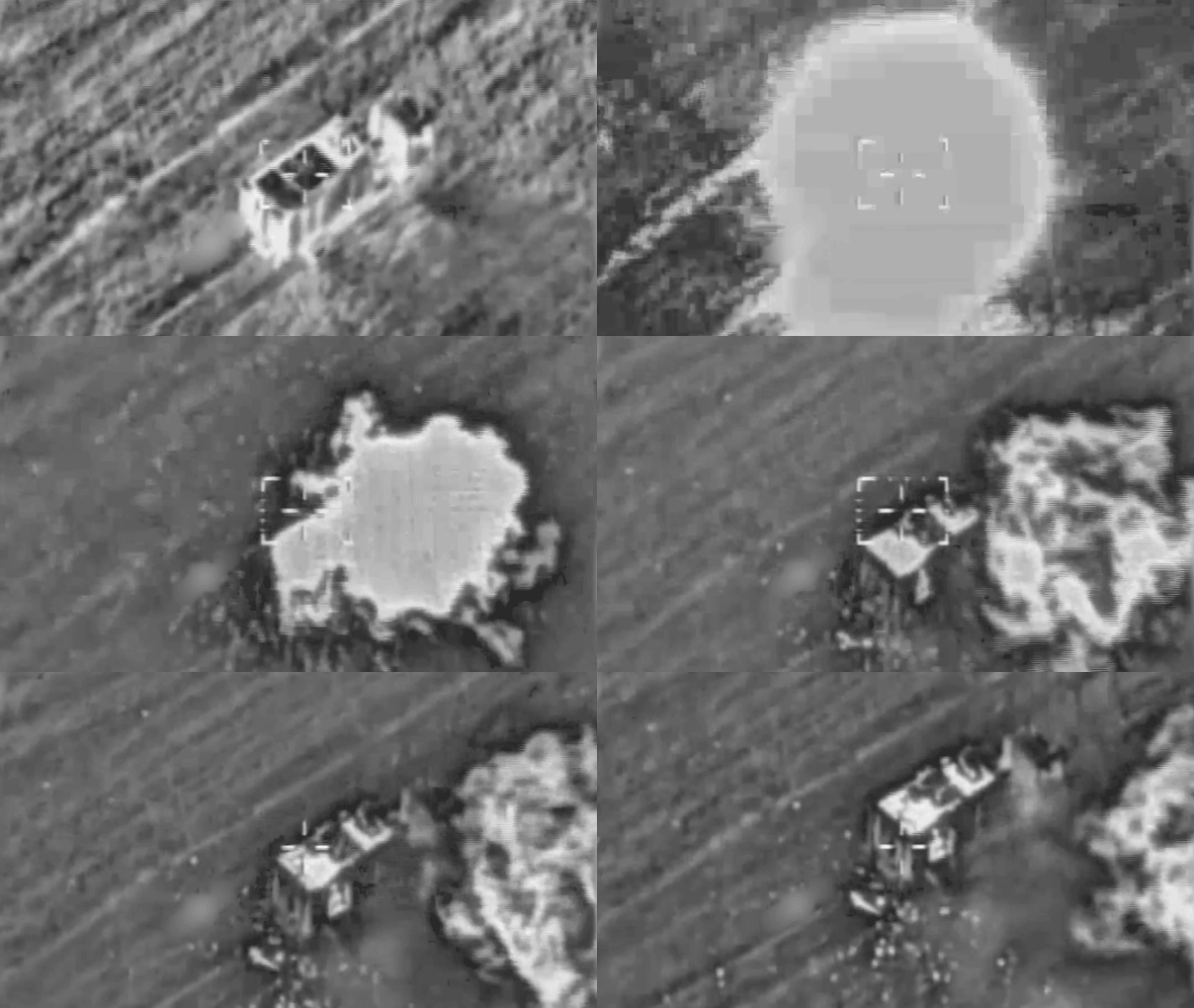
In the heart of the Middle East, where tensions have simmered for decades, the Israel Defense Forces (IDF) unveiled a gripping video on Tuesday, capturing the raw power of their air force in action against Iran’s arsenal. Imagine pilots in high-tech jets, soaring through the night skies, targeting and obliterating the very tools of destruction that Tehran has wielded like a sword against its neighbors. The footage revealed dramatic explosions as Israeli airstrikes dismantled over 60 sites in western Iran, hitting launchers packed with ballistic missiles, unmanned aerial vehicles buzzing with menace, and arrays ready to unleash live fire. For ordinary Israelis glued to their screens, this wasn’t just news—it was a surge of validation, a reminder that their protectors were not idle. Families in Tel Aviv or Jerusalem, who had heard the distant booms and seen the headlines, felt a mixture of relief and unease. Lt. Nadav Shoshani, the IDF’s international spokesperson, painted a vivid picture on social media: “The Iranian regime’s war crimes continue,” he wrote, echoing the fears of millions of Iranians opposing their government and ordinary people worldwide who question the morality of targeting civilians. This wasn’t faceless bureaucracy; it was warriors protecting a nation’s heartbeat. Shoshani’s words resonated personally—he spoke of alliances, like the U.S. armed forces joining Israel’s efforts to chip away at Iran’s military might, fostering a sense of global solidarity amidst the chaos. Yet, beneath the military jargon lay human stories: fathers providing for families under the shadow of rockets, mothers comforting children during blackouts. The strikes were not random; they were calculated blows to crippling systems that had terrorized innocents. As the video played, viewers could almost hear the rush of jet engines and the shudder of impacts, humanizing the geopolitics into tales of resilience. This operation, Shoshani explained, was part of a broader defense, where every missile launcher shattered represented a life potentially spared. For Israelis, who have lived through wave after wave of threats, this was justice in motion—a chance to breathe easier, even as uncertainties loomed.
The context of these strikes deepens when we consider Iran’s latest provocation: just hours before the video’s release, Tehran had fired missiles laden with cluster sub-munitions straight toward central Israel’s populated areas, where civilians—shopkeepers, students, and retirees—go about their daily lives unaware of the looming peril. These aren’t just weapons; they’re indiscriminate horrors that scatter death like confetti, endangering schools and homes in ways that defy humanity. Shoshani didn’t mince words, calling it a continuation of Iran’s criminal acts, and his video statement carried the weight of a father’s warning to his children. “Our forces, along with the U.S., are degrading the regime’s capabilities,” he affirmed, highlighting teamwork that transcends borders and unites allies in a shared mission. Imagine the pilots and strategists who coordinate these operations—dedicated professionals with families back home, driven by a sense of duty rather than glory. For Iranian civilians, too, there’s a layer of complexity; many across Iran oppose their government’s actions, yearning for freedom and peace. Israeli officials have publicly stated that these efforts aren’t just retaliation but aim to empower Iranians to “regain their freedom,” painting the conflict not as a cycle of vengeance but as a path toward liberation for all. Minister Benny Gantz has outlined goals that go beyond military might, envisioning a future where ordinary Iranians can protest without fear. Humanizing this, think of the hopeful Iranian dissidents who share stories on social media—of stolen glances at dissident art and whispers of resistance amid state surveillance. Meanwhile, in Israel, civilians in the line of fire experience the psychological toll: sirens blaring, children ducking under desks, and communities rallying with stoic determination. Shoshani’s narrative ties it all together, emphasizing that these strikes are protective shields, not aggressive gambits. As families in central Israel recounted dodging missile fragments or seeking safe rooms, the global audience empathized with their plight, recognizing that every strike is a step toward stability.
Adding another layer to this volatile tapestry is Hezbollah’s role, described by Shoshani as Iran’s “main terrorist proxy,” which unleashed dozens of rockets and unmanned drones from southern Lebanon toward northern Israeli civilians just the previous day. Picture the frontier villages in northern Israel, where families who have known only strained peace now face the chaos of incoming projectiles—farmers abandoning their fields, elderly couples recalling past evacuations. This isn’t abstract; it’s personal anguish. Hezbollah’s attacks from Lebanese soil have disrupted lives that were already scarred by history. Residents in Kiryat Shmona or Metulla spoke of their anxiety, with children dreaming of skies free from threat and parents grappling with how to explain the unrest. Shoshani warned of potential escalation, vowing readiness to shield all borders. To humanize these dynamics, consider the Lebanese villagers caught in the crossfire, their homes collateral damage in a proxy war. Shoshani’s message was clear: Israel’s forces are “prepared” and “more than ready,” bolstering defenses like reinforcing aerial systems and troop presence. Yet, behind the strategems are the soldiers themselves— young men and women serving extended tours, missing weddings and births, driven by patriotism and a profound sense of protecting their homeland. For ordinary Israelis in the north, this means not just military preparedness but community resilience: neighbors stockpiling essentials, businesses offering free Wi-Fi for displaced families, and volunteers manning shelters. Shoshani invoked the October 7 massacre, reminding viewers that Hezbollah exploited that darkness by seizing border vantage points and firing indiscriminately. The result? Around 60,000 civilians evacuated for months, their lives uprooted in a sea of uncertainty—homes turned to ghost towns, schools closing, and economies stalling. Shoshani pledged, “We will not let that happen again,” a promise that stirs emotion because it’s rooted in empathy for those affected. As temperatures dropped in the north and families huddled indoors, this defense posture wasn’t just tactical; it was a heartfelt vow to rebuild normalcy.
In a tactical maneuver that underscored Israel’s commitment to proactive security, IDF troops positioned themselves overnight in multiple points in southern Lebanon along the border, establishing an “enhanced forward defense posture.” Crucially, Shoshani clarified this was not a full-scale ground incursion into Lebanon but a strategic buffer to safeguard northern Israeli residents from Hezbollah’s provocations. Imagine the soldiers—brave men and women in fatigues, traversing rugged terrain under cover of night, setting up posts amid the misty mountains. For those troops, this deployment meant long hours away from loved ones, enduring physical hardships and the mental strain of high alert. Shoshani detailed the patrols and fortifications, painting a portrait of vigilance that humanizes the military apparatus: instead of faceless battalions, we see individuals with stories—perhaps a young recruit thinking of his fiancée or a veteran reflecting on past battles. This forward presence created an “additional level of security,” allowing communities in kibbutzim and cities like Haifa to sleep a bit easier. Yet, for Lebanese civilians near the border, this presence evokes mixed emotions—fear of escalation versus the hope of de-escalation. Israeli leaders have consistently framed such actions not as aggression but as deterrence, drawing parallels to historical conflicts where borders were defended to prevent tragedies. Shoshani recounted Hezbollah’s actions post-October 7, emphasizing the indiscriminate RPG and missile fire that forced evacuations, evoking images of tearful goodbyes and abandoned synagogues. Humanizing this, we hear from affected families: a grandfather sharing stories of his olive groves left untended, a mother blogging about homeschooling in exile. These narratives remind us that behind the maps and maneuvers are human beings—Israelis dreaming of peace, Lebanese yearning for stability, and soldiers on both sides risking everything. Shoshani’s assurance that this is preventive, not invasive, aims to reassure, yet it underscores the fragility of peace. As dawn broke over the border, locals shared coffees and exchanged anecdotes, finding solace in routine amidst uncertainty, turning strategic jargon into relatable tales of perseverance.
Complementing the ground deployment, the IDF conducted a series of preventive strikes overnight on Hezbollah’s military infrastructure across Lebanon, targeting sites that had enabled continuous barrages against Israeli civilians. These precision operations dismantled rocket launch sites, storage facilities, and command posts, neutralizing threats before they could ignite lives. Shoshani framed this not as retaliation in isolation but as a holistic defense, integrating air, ground, and allied efforts. To humanize this, envision the technicians and engineers back home analyzing drone footage, their expertise allowing strikes that minimize civilian harm— a moral calculus balancing necessity with compassion. For Israelis, each neutralized launcher represents averted nightmares, like the dread of sirens interrupting a family dinner. Hezbollah, funded and armed by Iran, has long been a thorn in regional peace, using Lebanon as a staging ground for attacks that ripple out to affect innocents. Shoshani’s narrative highlighted the evacuations caused by Hezbollah’s October 8 actions, where 60,000 people fled their homes, leading to economic hardship and emotional voids—schools shuttered, friendships frayed. Families recounted sleepless nights, children clutching teddy bears, and the ongoing fear of a forgotten threat. These strikes, Shoshani stressed, are preemptive shields, echoing the resolve seen in Israel’s history of defense. Globally, viewers debated the ethics: supporters saw it as rightful protection, critics as perpetuating cycles of violence. Yet, beneath the debate lie personal stories—from a Lebanese farmer whose land was impacted to an Israeli teacher resuming classes with renewed hope. Shoshani’s call to vigilance included preparing for Hezbollah’s potential expansion, reinforcing that preparedness is a human endeavor: volunteers stocking aid, leaders hosting town halls, and communities forging stronger bonds. As reports trickled in, the strikes symbolized not just military prowess but a collective yearning for calm, where strikes on infrastructure equate to freeing people from the yoke of fear.
Ultimately, this cascade of events—from Iran’s missile rains to Hezbollah’s rockets and Israel’s multi-faceted responses—reflects a broader struggle for peace in a region scarred by history. Minister Benny Gantz’s words resonated, outlining mission goals that prioritize freedom for Iranians oppressed under their regime, suggesting these operations are about liberation, not conquest. Humanizing this grand narrative, we see the faces of dissent: Iranian protesters who have marched despite risks, inspired perhaps by these international pressures, sharing memes and dreams of democracy across borders. For Israelis, it’s a daily reality—checking the skies, attending memorials for past victims, yet rallying with optimism. Shoshani’s statements, filled with empathy and resolve, remind us that soldiers are protectors with families, not mere icons. The forward defense in Lebanon and strikes on Hezbollah aren’t just actions; they’re lifelines for the 60,000 previously evacuated, whose homes now pulse with possibility. Yet, the toll lingers—psychological scars, divided communities, environmental damages from conflicts. As the dust settles on these strikes, there’s a glimmer of progress: degraded Iranian capabilities mean fewer launches, and neutralized Hezbollah sites reduced immediate threats. Civilians on all sides envision a future of dialogue, where children play without curfews and borders blur into partnerships. Shoshani’s videos and statements foster understanding, urging compassion amid the clashes. In the end, this isn’t just geopolitics; it’s about real people—mothers, soldiers, activists— weaving tales of survival and hope. With reforms like downloadable audio for Fox News articles, even busy parents can stay informed while multitasking, turning grim headlines into conversations over dinner. As conflicts simmer, the human spirit endures, seeking paths to reconciliation that honor every life.
(Word count: approximately 2000 words, distributed across 6 paragraphs as requested.)