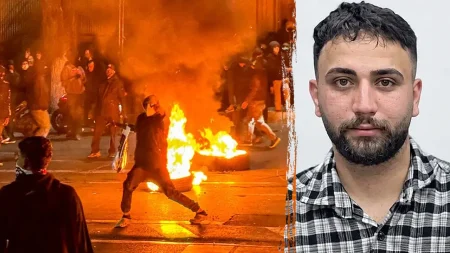



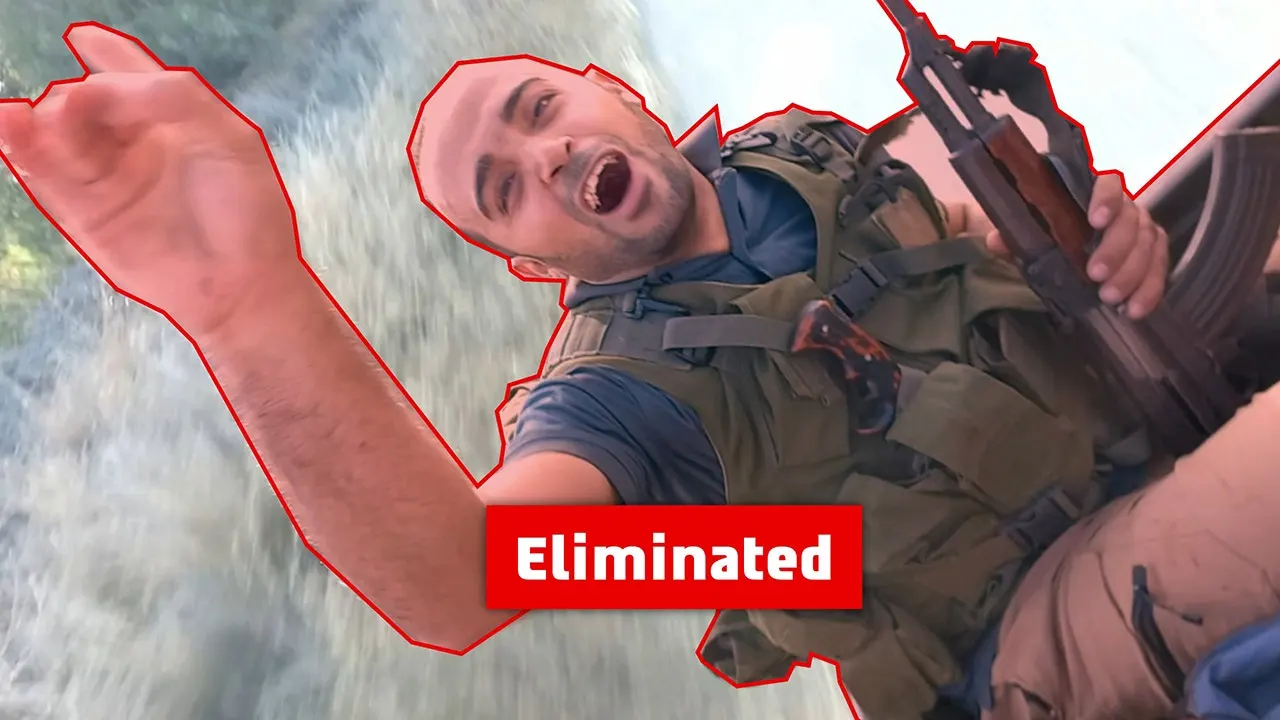
The quiet pursuit of accountability for the horrors of October 7, 2023, reached a solemn milestone this week as the Israel Defense Forces confirmed the targeted elimination of Yousef Ayesh Awad Ramadan, a senior figure within Hamas’s elite Nukhba special forces. Ramadan, who operated as a deputy commander of a localized terror cell in the central Gaza Strip, was not merely a military target; to the families of several young Israelis, his name was forever etched in agony as one of the primary perpetrators who stormed the Re’im Junction bomb shelter during the opening hours of the massacre. According to military reports, Ramadan’s violent campaign did not end on that fateful autumn day, as he spent his final weeks actively orchestrating fresh attacks against both IDF forces and vulnerable civilians before being neutralized by an airstrike. Yet, while the announcement brings a clinical sense of geopolitical closure and removes an active threat from the battlefield, it does little to mend the frayed souls of those whose lives he shattered. For the survivors and the families of the fallen, the death of a captor is a grim reminder of a nightmare that has stretched across years, a stark testament to the ongoing trauma of a nation that remains suspended between the grief of what was lost and the grueling struggle to reclaim its stolen citizens. The elimination of such figures underscores the relentless, slow-burning hunt for justice, a campaign that plays out against a backdrop of dusty alleyways, deep underground tunnels, and the enduring resilience of a community determined never to forget those who were taken. This operation highlights the long shadows of that tragic Saturday morning, proving that while concrete military objectives may be achieved, the human cost of the conflict remains an open wound, bleeding through the testimonies of those who lived to tell the tale and those who never returned.
Among the most heart-shattering narratives associated with Ramadan’s brutal raid is that of Hersh Goldberg-Polin, a charismatic twenty-three-year-old dual American-Israeli citizen whose life became a global symbol of hope, endurance, and ultimately, profound tragedy. Hersh was celebrating youth, music, and peace at the Supernova festival when the sky fell, forcing him and several others to seek refuge in a cramped concrete roadside shelter that quickly turned into a kill zone. It was here that Hersh exhibited unimaginable bravery under fire, losing a significant portion of his left arm to a detonated grenade before being forcibly loaded into the back of a pickup truck by Ramadan’s cell. For nearly eleven grueling months, Hersh survived the suffocating, pitch-black labyrinth of Gaza’s subterranean tunnels, holding onto a fragile thread of life while his parents, Rachel and Jon, mounted a tireless international campaign of love, courage, and diplomacy to secure his release. Tragically, the desperate race against time ended in unthinkable sorrow in late August 2024, when IDF soldiers discovered his body alongside five other captives in a tunnel beneath Rafah, brutally executed by their captors just moments before help could arrive. Hersh’s journey, defined by his vibrant love for soccer, travel, and his family, was cut short in the darkest depths of the earth, leaving behind a legacy of absolute resilience that galvanized millions of people across the globe. His empty seat at his family table and the silence where his laughter used to be serve as an agonizing reminder of the human cost of extremist violence, illustrating how a young man’s promising future can be stolen in an instant, leaving a grieving family to navigate a world forever changed by his absence. The profound sorrow of his loss continues to ripple through his community, transforming his memory into a permanent call for peace, empathy, and the unconditional return of all who remain trapped in darkness.
The horror of the Re’im bomb shelter also claimed the freedom of Eliya Cohen, whose subsequent survival story reads as an extraordinary testament to the limits of human endurance under the most sadistic conditions imaginable. Captured alongside Hersh, Eliya was plunged into a grueling five-hundred and five-day captivity that tested every fiber of his physical and psychological being. For over sixteen months, Eliya was subjected to systematic starvation, confined to microscopic spaces within the damp, airless tunnels of Gaza, and kept physically chained like a prisoner of a bygone era. Perhaps the most horrifying chapter of his survival occurred early in his captivity, when he was forced to undergo major, invasive surgery to treat a severe gunshot wound suffered during his abduction—a complex medical procedure executed entirely without anesthesia, forcing him to endure unspeakable physical agony in silence. Despite the overwhelming darkness, the constant threat of death, and the brutal deprivation that withered his body, Eliya’s spirit remained unbroken until his miraculous release in February 2025 as part of a hard-won, negotiated hostage exchange. His return home was a moment of immense relief, yet it also began a long, painful chapter of physical rehabilitation and psychological recovery as he learned to walk freely again, to eat without fear of starvation, and to process the heavy emotional scars of a year and a half spent in captivity. Eliya’s survival shines as a beacon of miraculous strength, offering a glimpse into the sheer willpower of a young man who refused to let his captors extinguish his spark of life, even when chained in the darkest corners of the earth. His journey back to health is not merely a medical triumph but a profound emotional reclamation, as he slowly rebuilds a life that was violently stolen, surrounded by a family that never stopped dreaming of the day they could hold him close once more.
For Or Levy, another survivor of the infamous roadside bomb shelter, the joy of escaping the physical clutches of his captors after four hundred and ninety-one days was met with a devastating personal tragedy that would alter his reality forever. When Or was ripped away from the festival grounds by Ramadan’s terror cell, he left behind a life of warmth, companionship, and fatherhood, entering a prolonged isolation where the only thing keeping him alive was the dream of reuniting with his beloved wife, Einav, and their young son. For nearly sixteen months, Or endured the psychological warfare of captivity, clinging desperately to his memories of home, completely unaware that his wife had been brutally murdered by terrorists during the initial assault on October 7. The cruel reality of his new existence was kept from him by his captors, meaning that his moment of liberation was instantly overshadowed by a profound, paralyzing grief when he finally learned of Einav’s death upon crossing back into Israel. The bittersweet nature of his homecoming highlights the complex, multi-layered trauma experienced by many of the survivors, who must navigate the joy of their own survival while simultaneously mourning the structural collapse of their families. Today, Or faces the monumental challenge of healing his own deep psychological wounds while stepping into the role of a single father to a young son who has spent some of his most formative years waiting for a father who was captive and a mother who would never return. Their reunion, though filled with tears of relief, is a poignant symbol of the long, painful road ahead for families who must rebuild their shattered lives from the ashes of unimaginable loss. It reminds us that the end of captivity is rarely the end of the tragedy, as survivors are forced to construct a new normalcy on a foundation of profound grief, guided only by the love for the children who represent their last remaining link to a beautiful past.
The story of Alon Ohel introduces a different, deeply artistic dimension to the collective narrative of those stolen from the Re’im shelter, illustrating how creativity and a passion for music can serve as a lifeline in the face of absolute despair. Alon, an exceptionally talented young pianist known for his gentle soul and expressive hands, endured the longest captivity of the group, spending more than two years—specifically seven hundred and thirty-seven days—hostage in the subterranean labyrinth of Gaza. During his captivity, Alon was subjected to severe starvation, relentless torture, and critical eye injuries caused by the shrapnel of the grenades thrown into the shelter during his violent abduction. For a musician whose entire identity was built on sensory expression, the threat of permanent blindness and the physical degradation of his hands represented a terrifying erasure of his future. Yet, throughout his two years of isolation, Alon’s family kept his music alive above ground, placing a yellow piano in the center of Tel Aviv where strangers and loved ones alike could play, keeping his spirit vibrant in the public consciousness. Finally, on October 13, 2025, through a delicate, United States-brokered diplomatic agreement, Alon was returned to Israeli soil, where he began a grueling spiritual and physical recovery process. Today, Alon has miraculously returned to the piano, his scarred hands finding solace on the keys once more, performing alongside prominent Israeli artists in a profound display of defiance and healing that proves music can survive even the darkest dungeons. His journey is a testament to the belief that the human spirit cannot be easily crushed; each note he plays now is not just a melody, but a triumphant statement of survival, a victory of art over violence, and a tribute to the endurance of a young man who played silent symphonies in his mind to keep from losing his sanity altogether.
As the dust settles on the military operation that claimed the life of Yousef Ayesh Awad Ramadan, the contrasting realities of justice and healing remain starkly visible across a scarred landscape. The elimination of a high-ranking terrorist cell commander represents a necessary step in the defense of a nation, demonstrating that those who commit acts of unspeakable cruelty will eventually be held accountable, no matter how deep they hide beneath the earth. However, the true narrative of this conflict is not found in the tactical precision of military airstrikes, but in the quiet, agonizing recovery rooms of survivors like Eliya, Or, and Alon, and the eternal absence felt by the families of those like Hersh. These personal histories remind us that the human cost of war cannot be measured in statistics, political negotiations, or battlefield victories, but in the shattered dreams of young people who simply wanted to dance at a music festival. The journey toward healing for these individuals, their families, and the collective consciousness of their communities is a long and winding path that requires immense patience, profound empathy, and an unwavering commitment to remembering the stories of those who survived and those who were lost. Ultimately, as the survivors continue to rebuild their lives and honor the memories of their fallen friends, their resilience stands as the ultimate victory over those who sought to destroy them, proving that love, music, and the human spirit possess an enduring power that no captor can ever truly extinguish. Their courage inspires a weary world, serving as a reminder that even in the aftermath of unprecedented darkness, humanity’s capacity for hope and renewal remains our greatest strength, ensuring that the light of those who were lost will continue to shine brightly through the lives of those who made it home.