


The Fall of Ali al-Taher: A Strategic Turning Point in the Battle Against Hezbollah
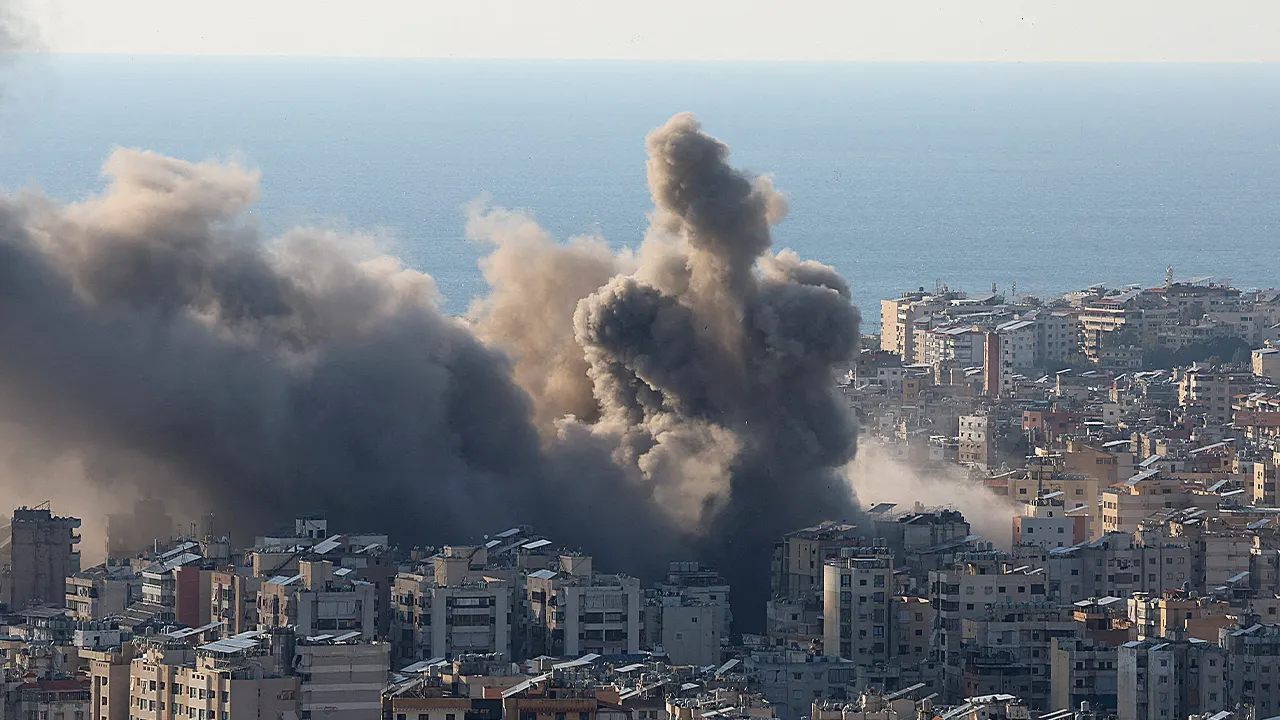
The capture of the Ali al-Taher ridge by Israeli forces represents one of the most significant military achievements in the ongoing campaign against Iran’s network of regional proxies. This strategically vital position in southern Lebanon, which had served as a major stronghold for both Hezbollah and its Iranian patrons, fell to the Israel Defense Forces in an operation that dealt a considerable blow to Tehran’s ambitions in the region. The ridge, perched just ten kilometers from the Israeli border, was not merely a military installation but rather a launching pad for what Hezbollah had planned as its own version of the October 7th attack against Israeli communities in the Galilee region. The loss of this position means that Hezbollah’s ability to coordinate large-scale ground invasions of Israel has been severely compromised, though military analysts are quick to point out that this victory, while significant, does not spell the complete end of the threat posed by this well-entrenched terrorist organization.
The degradation of Hezbollah’s military capabilities over the past several years has been nothing short of remarkable, according to Israeli defense experts who have tracked the organization’s evolution from a formidable terrorist army into a dispersed guerrilla force. Lieutenant Colonel Sarit Zehavi, who founded and leads the Alma Research and Education Center, has documented how Israeli operations have systematically dismantled approximately ninety percent of Hezbollah’s rocket and missile arsenal. What was once a vast stockpile capable of launching thousands of projectiles at Israeli cities has been reduced to somewhere between ten and fifteen thousand rockets, with the most sophisticated and accurate long-range missiles either destroyed or rendered inoperable. Perhaps even more critically, the ground invasion capability that Hezbollah had spent years developing, which envisioned thousands of fighters pouring across the border in a coordinated assault, no longer exists in any meaningful form because Israeli forces now maintain a constant presence along the border region, preventing the terror group from reestablishing its forward positions.
The broader implications of this military setback extend far beyond the immediate tactical situation on the ground, reaching into the complex web of relationships that bind Hezbollah to its patron in Tehran. Despite facing significant internal challenges and international pressure, Iran continues to provide substantial support to its most important proxy, channeling weapons, funding, and expertise through various routes that have become increasingly difficult to interdict. Zehavi warns that as long as Iran maintains its commitment to Hezbollah’s rebuilding efforts, the threat will persist, requiring sustained vigilance from Israeli intelligence and military forces. The recent changes in Syria, where the regime has become less hospitable to Iranian weapons smuggling operations, have complicated Hezbollah’s resupply efforts, but the organization remains dedicated to reconstituting its military capabilities through whatever means available, including the Beirut airport and overland routes that continue to function despite increased scrutiny.
The political and diplomatic dimensions of this military achievement have created both opportunities and complications for the various parties involved in the Lebanese situation. The United States has consistently pressured Hezbollah to allow the Lebanese Armed Forces to take control of strategic positions like Ali al-Taher, but the terror group has refused these demands, instead choosing to maintain its independent military infrastructure. American officials now point to Hezbollah’s intransigence as the primary reason Israel maintains a presence on Lebanese soil, arguing that the organization bears sole responsibility for the continued Israeli military operations in the country. The State Department has emphasized that Hezbollah is drastically weaker than at any point in its recent history, which enabled the Lebanese government to finally outlaw its military activities, a decision that received broad regional support. However, the situation remains complicated by internal Lebanese politics, with some officials expressing frustration that Israel’s continued presence prevents the Lebanese army from taking over security responsibilities in the area.
The human dimension of Hezbollah’s decline has manifested in increasingly visible fractures within Lebanon’s Shiite community, which has traditionally served as the organization’s base of support. The assassination of Hassan Nasrallah, the group’s longtime leader, created a leadership vacuum that has yet to be adequately filled, and the devastating wars with Israel have led many within the community to question whether continued allegiance to Hezbollah serves their interests. Hanin Ghaddar, a senior fellow at The Washington Institute who specializes in Shiite politics throughout the Levant, observes that Hezbollah is weakened on multiple levels simultaneously, having lost not only commanders and weapons but also its status as the unquestioned protector and liberator of the Shiite community. The organization that once represented unity and strength now presides over a divided constituency, with some factions questioning whether the path of armed resistance against Israel was the right choice given the devastating consequences that have followed.
The internal divisions within Lebanon’s Shiite community have forced Hezbollah to adapt its survival strategies, increasingly relying on political appointments and economic influence to maintain its position rather than purely military strength. Through alliances with other Shiite political movements, particularly the Amal party led by Nabih Berri, Hezbollah has managed to secure key government positions, including control of the finance and health ministries, which provide access to resources that can be used to reward loyalists and maintain patronage networks. This shift toward political and economic survival represents a significant evolution from the organization’s traditional focus on armed resistance and reflects the harsh realities of operating in an environment where its military capabilities have been severely degraded. The organization continues to pursue appointments in security and military institutions, seeking to maintain influence over Lebanon’s formal security apparatus even as its own independent military forces remain in disarray.
Looking forward, the struggle between Israel and Hezbollah appears destined to continue, albeit in different forms than in previous decades. The battle for Ali al-Taher may be over, but as the Alma Center noted, the broader struggle with Hezbollah is far from finished. The organization remains committed to rebuilding its capabilities, and Iran continues to provide the resources necessary for this effort, despite facing its own significant challenges. The transformation of Hezbollah from a conventional military force into a guerrilla organization presents new challenges for Israeli defense planners, requiring different strategies and tactics to counter a more dispersed and less predictable threat. At the same time, the weakening of Hezbollah has opened space for diplomatic initiatives and raised hopes that Lebanon might eventually be able to assert its sovereignty more fully and free itself from the grip of Iranian influence. The coming months and years will reveal whether this military victory can be translated into lasting strategic gains or whether Hezbollah will find new ways to adapt and continue its campaign against Israel and its allies.