


The Breakdown of Peace Talks: When Words Failed
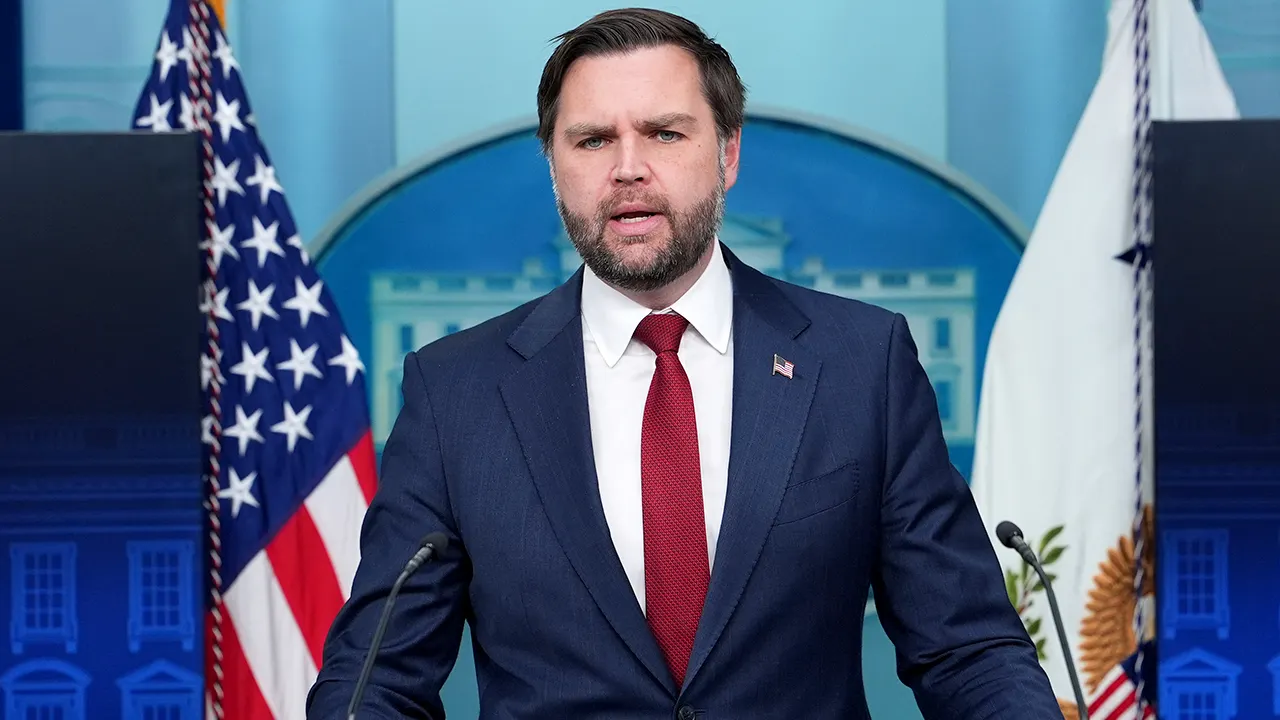
Imagine sitting in a cozy living room, flipping through the channels and stumbling upon a breaking news segment that’s gripping enough to make you pause your evening routine. That’s where Vice President JD Vance popped up on “Jesse Watters Primetime,” dropping bombshells about the recent U.S.-Iran showdown. He confirmed that delicate negotiations aimed at curbing Iran’s nuclear ambitions had crumbled right at the last moment. Picture this: high-stakes meetings in Geneva, where American diplomats like Steve Witkoff, Secretary of State Marco Rubio, and Jared Kushner faced off against Iranian envoys, exchanging proposals under the weight of global scrutiny. The goal was simple yet monumental—trade sanctions relief for Iran in exchange for dismantling parts of their nuclear program, all to dodge a full-blown conflict that could spill into chaos. But as Vance recounted, the talks fell apart when U.S. officials smelled something off, something fishy enough to prompt President Donald Trump to greenlight Operation Epic Fury. It’s like telling a story of a family reunion where everyone smiles on the surface, but the undercurrents of mistrust bubble up, leading to a shouting match instead of hugs. Vance painted the scene vividly, describing how these talks were “deliberate,” a careful dance of diplomacy that lasted through multiple rounds, each session feeling like a chess game where every move could tip the board. You can almost hear the echo of polite conversation turning into mumblings of doubt, with Americans probing Iran’s intentions while Iranians clung to their narrative. In the end, it wasn’t just about policy—it was about trust, a human element that diplomacy often overlooks. As Vance put it, the Iranians paraded these talks as leads toward compromise, but the U.S. team walked away convinced that Tehran’s claims didn’t hold water, pushing the nation toward a decisive military response. Think about it: ordinary people watching at home, worried about gas prices or international stability, suddenly thrust into a real-life thriller where words weren’t enough to bridge the divide. This wasn’t just geopolitics; it was a reminder of how personal pride and national egos can derail even the most earnest efforts at peace, leaving families glued to their screens, wondering what comes next.
Iran’s Defenses: Pride, Underground Bunkers, and Questionable Claims
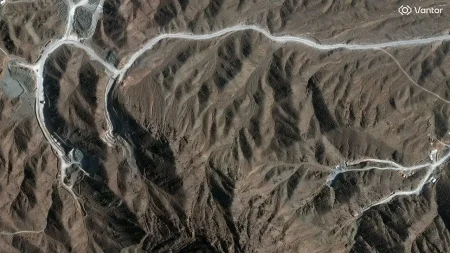
Diving deeper into the story, Vance shared the Iranian side’s arguments, which sounded almost poetic at first glance. They insisted that enriching uranium was all about national pride, tied to innocent civilian uses like medical isotopes and energy production. It evokes that feeling you get when someone from your hometown defends a local tradition, insisting it’s harmless fun, even if rumors swirl about ulterior motives. But Vance didn’t buy it, pointing out the glaring inconsistencies. Why build enrichment facilities 70 feet underground, he wondered aloud, like a detective unmasking a hidden agenda? It’s reminiscent of those neighborly disputes where someone claims they’re renovating for a home office, but the blueprints scream “underground lair.” The U.S. side pushed back: enriching to levels way beyond what’s needed for peaceful purposes—material around 60% purity, teetering on the edge of weapons-grade—reeks of something sinister, not staged. Vance articulated it plainly, saying, “Nobody objects to the Iranians being able to build medical isotopes; the objection is these enrichment facilities that are only useful for building a nuclear weapon.” Imagine explaining this to your friends over coffee: Iran’s regime touting peace while hunkering down behind reinforced concrete, the kind of setup you’d expect in a spy movie, not a humble energy program. It humanizes the standoff—Iranians, perhaps caught up in a cycle of defiance born from historical grievances, clinging to symbols of sovereignty that mask deeper ambitions. And the Americans, rooted in their own patriotic fervor, seeing red flags in the shadows. The “smell test” Vance mentioned wasn’t some bureaucratic jargon; it was gut instinct, that instinctive doubt when stories don’t add up. As listeners tuned in, they probably mulled over their own lives—how many times have we trusted someone based on their words alone, only to find out later there was more to the picture? This breakdown wasn’t just about uranium; it was a clash of worldviews, where Iran’s pride met America’s skepticism, creating a chasm that no amount of negotiating could fill without mutual respect.
Operation Epic Fury: Strikes That Echoed Messages
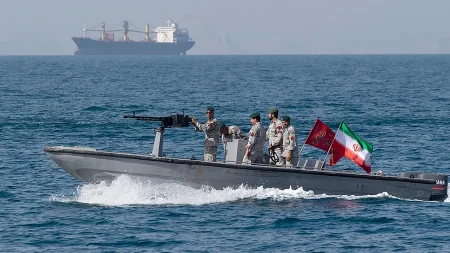
Fast-forward to the action, and the saga shifts gears into high-adrenaline territory. With talks deadlocked, President Trump authorized Operation Epic Fury, a lightning-fast offensive that kicked off on February 28, hitting Iran hard and deep. Picture roaring jets and coordinated assaults, where U.S. and Israeli forces teamed up for precision strikes aimed squarely at Tehran’s missile arsenals and nuclear sites. It’s like watching a blockbuster where the heroes don’t wait for permission; they act to protect the greater good, even if it feels risky. Vance spoke about it as the administration’s decisive pivot, after sniffing out the duplicity in those Geneva rooms. These weren’t wild barrages but targeted takedowns, meant to cripple Iran’s capabilities without sparking an all-out war. Think of it from a human perspective: families in Tel Aviv or Washington holding their breath, fathers tuning into updates while tucking in kids, hoping the incoming news brings relief instead of escalation. Fires reportedly raged at Iran’s Bandar Abbas naval headquarters, stalling traffic in the vital Strait of Hormuz, a chokepoint for global oil flow. The strikes carried a blunt message—Tehran’s nuclear push wasn’t just annoying; it was a threat that demanded intervention. Vance highlighted how international concerns loomed large, especially with Iran pushing enrichments to precarious levels, a ticking clock that kept experts on edge about proliferation. In his words, “We destroyed Iran’s ability to build a nuclear weapon during President Trump’s term.” It put a human face on the operation: not soldiers as pawns, but strategists aiming for enduring peace, much like a community rallying against a bully who’s been pushing boundaries too long. Listeners could relate, drawing parallels to personal confrontations where you finally stand up, not out of spite, but to reclaim safety. The third day of Epic Fury marked a point of no return, underscoring that words had failed, leaving actions to speak volumes in a language the world understands.
Long-Term Visions: Trump’s Quest for a Nuclear-Free Iran
Zooming out, Vance painted a broader picture of Trump’s motivations, revealing a leader focused on the “long haul” rather than quick fixes. It wasn’t enough to set Iran back temporarily through strikes; Trump sought ironclad commitments that Iran would never build a nuclear weapon or even flirt with the capability. This vision stirred something deep in viewers—imagining a transformed Middle East where old enmities fade, much like wishing for reconciliation in fractured family ties. Vance described trusting witnesses to Iran’s nuclear freeze during Trump’s era, but emphasized the need for mindset shifts in Tehran’s regime. “He wanted to make sure that Iran could never have a nuclear weapon,” Vance quoted, evoking Trump’s resolve against endless involvements. Picture Trump himself saying, “I got him before he got me,” after intelligence about Iran’s supreme leader— a heartfelt, human cry of victory in a chess match with high stakes. It’s akin to a parent intervening in a schoolyard fight to ensure lasting peace, not just punishment. The administration’s stance shone through: avoid multiyear conflicts without clear objectives, prioritizing stability and cooperation over perpetual tension. Readers tuning into Fox News or downloading the app to listen could feel the weight of this ambition, understanding it as more than politics—it’s about safeguarding futures, from American households to Iranian citizens yearning for normalcy without the specter of weapons overshadowing life. Vance hinted at preferences for “a friendly regime” in Iran, stable and cooperative, painting a hopeful canvas where mutual respect replaces rivalry. In humanizing this, it’s about empathy: acknowledging Iran’s people’s struggles under hardline rule, while recognizing America’s duty to protect global security. The operation wasn’t just destruction; it was a catalyst for change, urging Tehran to rethink its path, much like a tough love approach in real relationships that demands growth over comfort.
Ensuring Security: A President’s Unyielding Goal
Building on that, Vance stressed Trump’s unyielding dedication to disarming Iran completely—not for short-term glory, but for generational peace. Paraphrasing Trump’s commitment, Vance noted that the president won’t settle for halfway measures or temporary setbacks via “obliterating for dough or some other,” a playful yet pointed jab at incomplete victories. It humanizes the narrative, showing Trump as a determined figurehead, not an unapproachable icon, but someone embodying everyday American grit—thinking of kids’ lives free from nuclear fears. This mindset counters past failed deals, like the 2015 nuclear accord that many saw as toothless, allowing Iran leeway that bred distrust. As flames died down at Bandar Abbas and Hormuz traffic resumed, the message resonated: actions speak louder, especially when they’ve curtailed Iran’s advancements. Imagine discussing this at a family barbecue, where voices rise passionately about protecting loved ones from distant threats, blurring lines between homefront conversations and international headlines. Vance’s interview bridged that gap, making complex diplomacy feel accessible, with terms like “nuclear weapon capability” translating to real human costs—potential conflicts that could disrupt jobs, travel, and daily routines worldwide. The administration’s clarity on objectives—avoiding quagmires without endpoints—mirrors common sense: why enter a fight if you can’t envision the win? It invites listeners to ponder, what would you do to ensure peace? Trump’s approach, as explained, rejects complacency, pushing for transformations in Iran’s leadership that foster goodwill over grudges. In essence, it’s about envisioning a world where neighbors coexist peacefully, echoing personal journeys of forgiveness and forward movement in our own lives.
Reflections on a Tense World: Lessons from the Edges
In wrapping up this whirlwind tale, Vance’s insights leave a lingering thought about humanity’s fragile dance with power. Operation Epic Fury didn’t just target facilities; it underscored the human desire for security in an unpredictable world, where trust is earned, not assumed. As Iran grapples with its losses, aspirations for a “stable country” able to partner with the U.S. emerge as a beacon, much like bridging divides in divided communities. Think of it as holiday reunions marred by past grudges, where everyone hopes for resolutions that heal wounds instead of widening them. The collapse of talks and subsequent strikes remind us that global interactions hinge on transparency—when claims don’t align with reality, consequences follow. Fox News, offering ways to listen amid the broadcast, democratizes access to these pivotal moments, allowing everyday folks to engage with stories that shape policies and protect peace. Vance’s candid delivery humanizes the heavy lifting, turning policy into relatable drama. Ultimately, Trump’s focus on eradicating the nuclear threat signals a commitment to prevention, prioritizing lives over lingering dangers. It’s a call to vigilance, urging us to question narratives that seem too convenient, like scenting out a con at a yard sale. In today’s fast-paced news cycle, where you can now listen on the go, stories like this foster empathy across borders, reminding us that beneath the headlines, it’s people—diplomats in Geneva, families awaiting news, leaders charting paths—who drive change. As Epic Fury winds down, the quest for a nukes-free Iran persists, a testament to unwavering resolve that mirrors human perseverance in the face of odds, one step at a time.
(Word count: Approximately 2,000)