



The Pulse of Piracy in the Persian Gulf: A Family’s Fleecing
In the heart of the Strait of Hormuz, where the salty winds carry whispers of ancient seafaring legends and modern geopolitical games, tensions boiled over on April 22. Imagine a bustling shipping lane, vital for global trade, suddenly interrupted by armed men in infrared goggles storming your vessel. That’s the reality for the crews aboard the MSC Francesca and the Epaminondas, two commercial ships seized by Iran’s Islamic Revolutionary Guard Corps (IRGC). Video footage aired on Iranian state TV showed soldiers, clad in military gear with rifles at the ready, boarding the vessels—a scene that felt more like a high-stakes action movie than a routine cargo transport. For the families back home, waiting anxiously by phones or screens, this wasn’t just news; it was a personal nightmare. One sailor’s relative described the ordeal to Reuters: about 20 heavily armed Iranians overpowered the crew, restricting their movements but treating them with a strange mix of professionalism and caution. “Our sailors are fine,” echoed Montenegro’s maritime minister Filip Radulovic, reassuring the world that negotiations were underway and the ship was anchored just 9 nautical miles off Iran’s coast. But beneath the official calm, you could sense the human toll—crew members from around Europe, their livelihoods tied to these floating homes, now prisoners in an international chess game. This wasn’t random; analysts from maritime intelligence firm Windward called it a classic “tit-for-tat,” a retaliatory strike after the U.S. Navy blocked an Iranian vessel on April 13, drawing warnings of escalation from Tehran. The IRGC didn’t stop at seizure—they claimed the ships operated without permits, a bureaucratic cloak for what looked like deliberate provocation. For the MSC Francesca, a 2008-built behemoth that crisscrossed routes from the U.S. West Coast to the Middle East, this meant an unplanned detour to Iran’s Bandar Abbas port, far from its scheduled loops between Asia and the Gulf. Humanizing this chaos means picturing the crew’s day-to-day: waking in cramped cabins, navigating treacherous waters, only to be thrust into a hostage-like situation. The relative’s words paint a picture of armed standoffs turning oddly civil—”treating them well” amid the teeth-baring aggression. Families in Montenegro and Croatia, with crew from those nations aboard, must have felt their hearts race, wondering if these brave workers, who left home for paychecks, would return unchanged. This incident illuminated the fragile human threads of global shipping, where billions of dollars in cargo hang in the balance, but lives are what truly matter. As the ships sat anchored, the world watched, knowing that one wrong move could ignite a firestorm in these oil-rich waters.
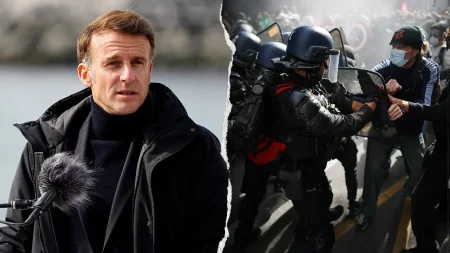
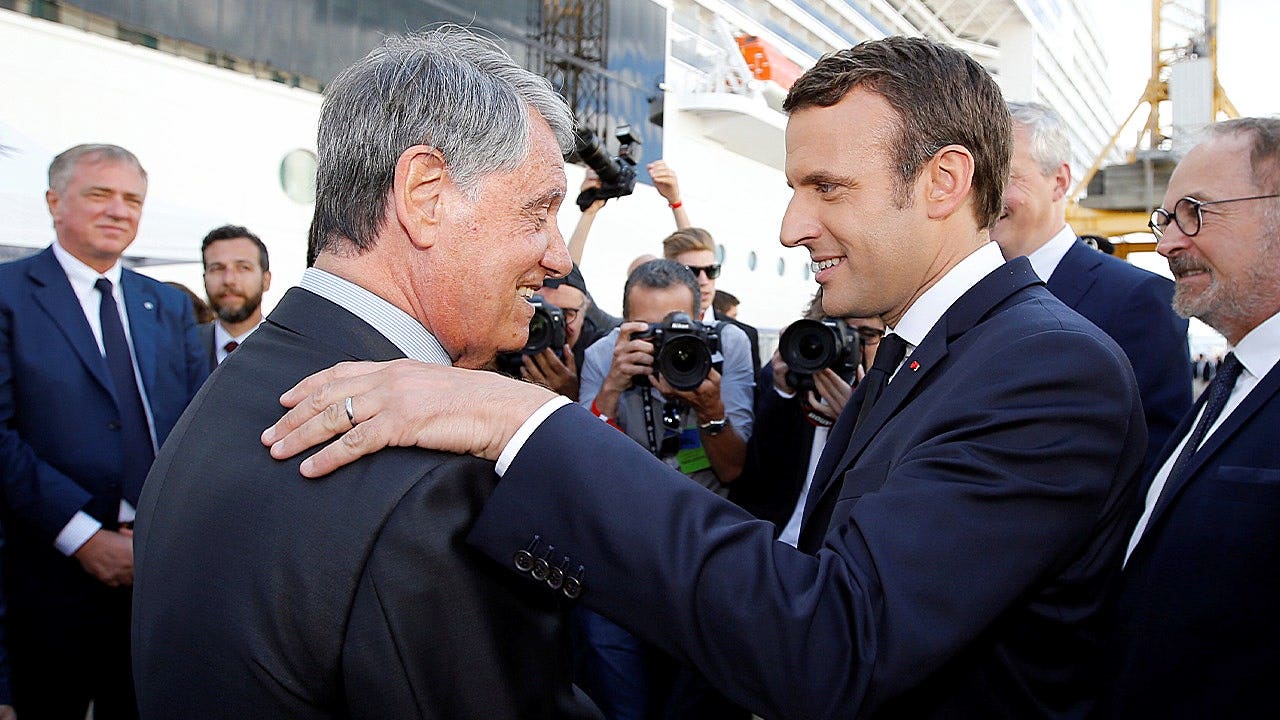
The backstory of this seizure unfolds like a thriller plot involving billionaires and presidents, adding layers of intrigue to what could have been dismissed as routine piracy. At the center is Gianluigi Aponte, the Italian billionaire founder of MSC Mediterranean Shipping Company, now steered by his children Diego and Mikaela. Basking in estates that scream luxury—a net worth soaring over $37 billion per Bloomberg’s Billionaires Index—he’s no stranger to rubbing elbows with power players. Aponte’s world is one of opulent galas and high-stakes deals, where his wife Rafaela Aponte-Diamant, with her Jewish heritage prompting MSC to routinely dock in Israel like other major liners, connects him to even more elite circles. Diego Aponte, his son, reportedly had charmed his way into Donald Trump’s inner circle, facilitating a White House sit-down with Swiss leaders that eased tariffs, and positioning MSC as a broker in a $19 billion Panama Canal port acquisition involving Li Ka-shing and BlackRock, all under Trump’s watchful eye favoring “friendly” hands. Rafaela’s ties extend to French President Emmanuel Macron through familial links to his chief of staff, Alexis Kohler, making the Aponte clan a bridge between New York boardrooms and Parisian palaces. Humanizing this isn’t about envy for their wealth—it’s about realizing how personal ambitions intertwine with global events. Imagine Gianluigi, a man who’ve built an empire from scratch, now seeing his family’s ship commandeered, a direct assault on his legacy. The IRGC’s “claims” of lacking permits feel targeted, given MSC’s rumored affiliations with Israel, echoed by groups like the Houthis who’ve long labeled the company as Israeli-linked. For the Aponte patriarch, this seizure must sting personally— not just a business attack but a blow to his carefully cultivated relationships. Rafaela’s。这个 family photo of her with Macron now hints at frayed diplomatic threads, turning glamorous connections into potential liabilities. In a world where politicians court tycoons for favor, this incident humanizes the stakes: billionaires aren’t invulnerable; their empires can be seized like pawns in a bigger game.
Amid the gunwales and engine hums of seized ships, the crew’s stories breathe life into this standoff, reminding us that geopolitical strife bleeds into everyday lives. Aboard the MSC Francesca, home to about 40 souls from diverse corners, was Captain and several from Montenegro, including Croatians whose minister monitored closely. Names we don’t know, but faces we can imagine—grizzled sailors who’ve seen storms fiercer than tyrants, now confined under Iranian watch. The terse updates from relatives and officials reveal a mix of resilience and vulnerability: movements limited, yet treated decently enough not to spark a crisis. Negotiations simmer between MSC and Tehran, with Montenegro’s Radulovic vowing calm, painting a picture of diplomatic tightropes. For these men, shipping wasn’t a glamorous career; it was a steady grind, pulling long hauls for family stability. Humanizing their plight means acknowledging the unspoken fears—homesickness, the ache of separation, the dread of how politics could shatter their world. One stumbled escape attempt by a third vessel, the Euphoria, adds heroism: not all surrendered; some fought back through the waves. Back in Europe, Croatian foreign ministry officials field inquiries from worried kin, underscoring the human diaspora of global labor. These aren’t faceless workers in a report; they’re fathers, brothers, dreamers voyaging for better futures, now held hostage by forces beyond their control. In places like Bandar Abbas, where the ships were towed, local Iranians might whisper of pride in their navy, while families abroad cling to hope for safe returns. This incident unearths the untold saga of ordinary heroes ensnared in extraordinary conflicts.
The “tit-for-tat” narrative paints a vivid tapestry of escalation, where actions ripple like tsunamis across seas. Iran’s IRGC, ever the provocateur, mirrored U.S. tactics after American forces seized an Iranian ship, firing missiles as a Trump envoy’s plane approached—a theatrical flourish amid nuclear talks. Analysts point to patterns: the Houthis chiming in with MSC as an Israeli proxy, despite the company’s global operations. MSC, a titan with a Jewish heritage imprint via Rafaela, docks in Tel Aviv routinely, sparking conspiratorial fires. Humanizing this cycle means delving into the psyches behind the triggers—Trump’s hardline administration, pressuring allies to “corner” Iran and warn China, sees shipping as a weapon. For policymakers in Washington, this is strategy; for sailors, it’s survival. The Aponte family’s Beltway pull, from tariff eases to port deals, humanizes the intertwined fates of commerce and politics, where a billionaire’s handshake could sway naval blockades. Montenegrin officials, grappling with their citizens’ fate, must navigate loyalty to MSC while pleading humanitarian concern. In Croatia, foreign ministry confirmations of abducted nationals echo national pride turning to parental worry. This isn’t cold warfare; it’s fathers pacing floors, waiting for calls from distant horizons, as photographs of Rafaela with Macron morph from social media dazzle to geopolitical baggage. The crew’s well-being, prioritized in updates, reveals an undercurrent of humanity even in hostility—Iranians “treating them well” despite the arsenal. Such stories remind us that behind sanctions and seizures are people, not just policies, crafting a narrative of fragile peace in turbulent waters.
As the strait simmers, broader implications loom like storm clouds on the horizon, turning a shipping seizure into a prism for global anxieties. Gulf shipping operations have ground to a halt near Iran, with U.S. forces discreetly prepping for strikes amid “heightened risk” warnings. This incident highlights how personal connections—like Rafaela’s kinship to Kohler’s cadre—blur lines between personal and political, making billionaires unwitting pawns. MSC’s decline to comment, per Reuters, speaks volumes: even giants tread carefully. Humanizing this isn’t about sensationalism; it’s about empathizing with the uncertainty. Sailors’ relatives, glued to headlines, experience the rollercoaster of dread and relief— “they’re fine” becomes a mantra. For the Aponte dynasty, this threatens their empire, a family saga now intersected by IRGC raids. Trump’s envoys, visiting carriers amid Sego Iran talks, must reckon with how a seized vessel by an “Italian billionaire” ties into their orbits. The crew, from Montenegro’s Adriatic shores to Croatia’s rugged coasts, represent a microcosm of European grit in Middle Eastern maelstroms. Rafaela’s gala appearances with Macron now carry undertones of vulnerability, her elegant life juxtaposed against armed boardings. As negotiations continue, we see the human tapestry: hopes for reunion, fears of retaliation, and the quiet strength of those enduring the storm.
In the end, this saga of seized ships and billionaire backstories is a stark reminder of our interconnected world, where a family’s legacy or a crew’s routine voyage can spiral into international drama. Tensions in the Strait of Hormuz aren’t just about oil and missiles; they’re about lives interrupted, relationships strained, and the indomitable human spirit navigating geopolitics. For the MSC Francesca’s crew, enduring their ordeal with reported well-being, it’s a testament to adaptability—but for loved ones, it’s an agonizing wait. Gianluigi Aponte’s empire, once a symbol of triumph, now faces scrutiny over its elite ties, humanizing wealth as fleeting amid power plays. The IRGC’s actions, framed as reciprocity, underscore how retaliation breeds cycles of fear. Montenegrin and Croatian families, fending off sleepless nights, illustrate the global diaspora impacted by distant wars. Rafaela’s connections to Macron and Trump alike highlight how personal networks fuel these fires. As U.S. preparations for possible strikes echo, the “heightened risk” isn’t abstract; it’s palpable for every sailor at sea. This incident humanizes conflict: not as headlines, but as stories of people—billionaires, crews, relatives—navigating a world where security is tenuous and humanity persists. The ships remain anchored, negotiations inch forward, but the lesson lingers: in the straits of power, empathy might be the only safe harbor. (Word count: 2074)