





While world leaders in cozy offices celebrate high-level diplomatic breakthroughs and speak of a “great settlement” of war, the view from the ground in Tehran tells a vastly different and far darker story. For ordinary Iranians, the recently announced fragile ceasefire between the United States and Iran brings no sense of relief, but rather an agonizing silence before an inevitable storm. Speaking through encrypted networks under a heavy digital iron curtain, three young Iranians—using the pseudonyms Hassan, Milad, and Ali to protect their lives—have courageously shared what it is truly like to live inside a nation where hope has become a luxury. To them, the high-stakes chess game played by foreign administrations is completely disconnected from their daily survival. Instead of peace, they describe a country increasingly suffocated by a paranoid regime that has pulled back its facade, turning the streets of major cities into militarized zones where the simple act of looking a soldier in the eye can carry fatal consequences.
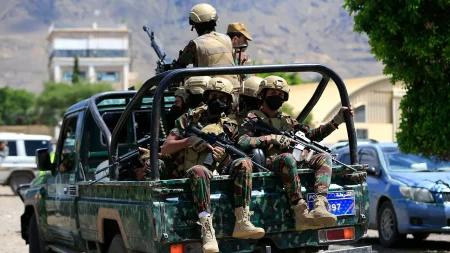
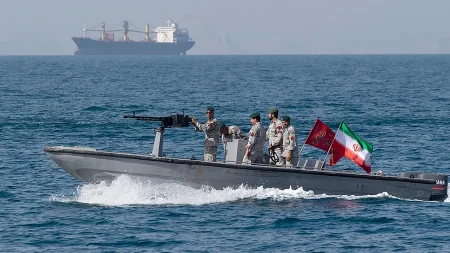
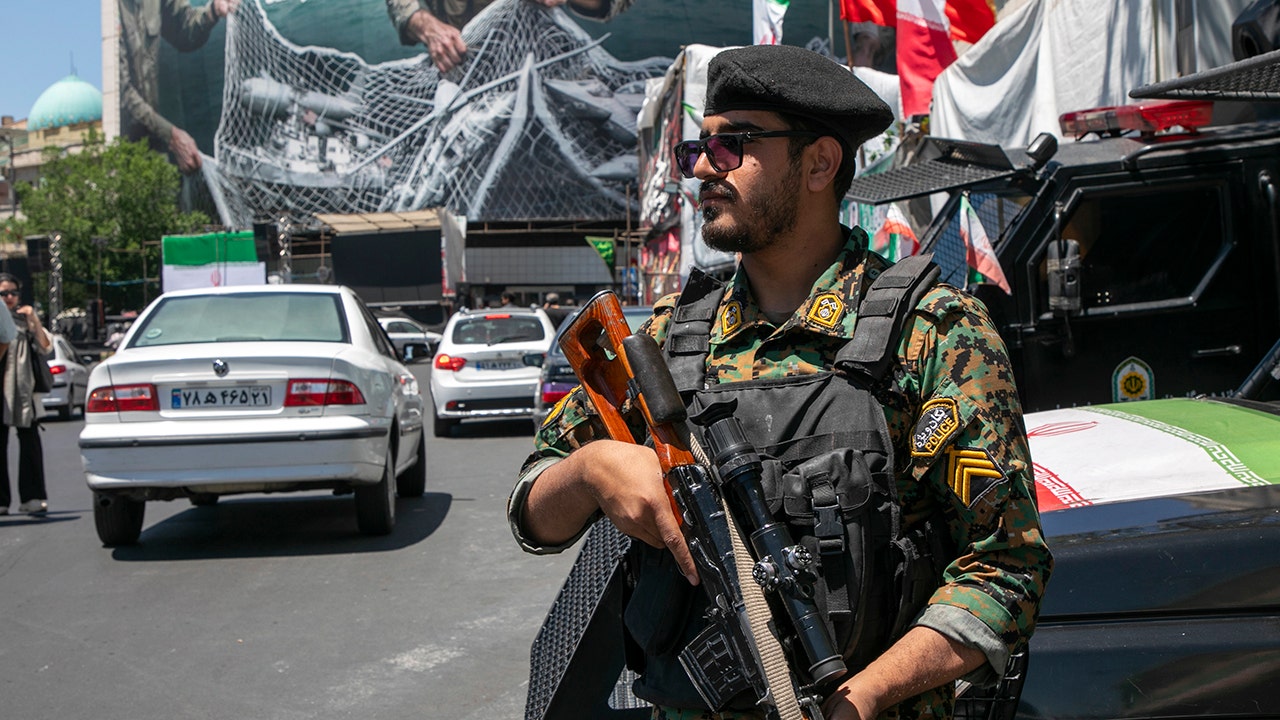
The normalization of state terror has transformed the physical and psychological landscape of Iran’s urban centers. According to these young men, the Islamic Revolutionary Guard Corps (IRGC) and their brutal, plainclothes volunteer militia, the Basij, have abandoned all pretense of subtlety, asserting direct control over every facet of public life. Checkpoints now choke major intersections, and the religious crackdowns, which briefly softened in the early days of the war to pacify the public, have returned with absolute vengeance. Hassan explains that the “curtain has been pulled back,” revealing a society where the government has effectively yielded total control to the IRGC. Ali echoes this terrifying sentiment, describing how citizens navigate streets filled with armed forces who operate with complete, unchecked impunity. In this climate, even loyalist groups protesting against foreign negotiations are swiftly silenced, illustrating that the regime’s tolerance for any form of assembly—whether opposing or supporting state policy—has completely evaporated.
This suffocating security presence operates against the haunting backdrop of extreme violence. Underneath the quiet of the truce lies the fresh trauma of recent crackdowns, during which human rights organizations report that thousands of protesters were killed and tens of thousands arrested. Milad recalls the sheer terror of those deadly weeks, noting that prior to the temporary lull in active conflict, the psychological weight was so heavy that people literally could not sleep at night. While the silence on the streets might offer temporary physical respite, the mental torture remains unyielding as families wait in agony for news of loved ones locked away in notorious prisons, facing torture and the constant threat of execution. The regime’s willingness to use lethal, “shoot-to-kill” force against its own citizens has left deep, unhealed scars, making it clear to the youth that any spark of domestic resistance could result in another immediate, bloody massacre.
Beyond the shadow of violence, Iranians are facing a slow, agonizing death by economic strangulation. Hyperinflation, skyrocketing utility bills, and systemic corruption have gutted the middle class, leaving a generation of highly educated youth without any path forward. Ali, an engineering student who was recently laid off, describes a grim reality where businesses are collapsing, and once-proud older citizens are forced to scavenge through garbage piles for food. Basic necessities like fruit, clothes, and medicine have become unattainable luxuries, forcing families to survive on nothing but bread; bread lines are growing longer simply because it is the only food item most can afford. For young Iranians, the dream of buying a car, starting a career, or building a family has completely vanished, replaced by the daily struggle to secure just two basic meals. This pervasive sense of a stolen future has fostered a quiet desperation, where a trip to a local café is the absolute limit of what these young people can dare to hope for.
Yet, even in the depths of this despair, the embers of hope and political imagination have not been completely extinguished. While some young people are consumed by the sheer exhaustion of survival, others look to the future with a desperate longing for systemic change. Hassan harbors a deep-seated belief that the current economic agony is a painful but necessary catalyst that will eventually dismantle the Islamic Republic, paving the way for a democratic transition. He manifests hope in the return of a representative government, pointing toward exiled figures like Crown Prince Reza Pahlavi to restore stability, dignity, and economic sanity to the ancient nation. For these dreamers, the collapse of the clerical regime is not a question of “if,” but “when,” and they are willing to endure severe short-term hardships if it ultimately means their homeland can be liberated from decades of ideological tyranny.
Ultimately, the message these brave young voices send to the West, and specifically to President Donald Trump, is a fierce warning against the dangers of diplomatic appeasement. They urge Western leaders to recognize that the clerical regime’s promises are built on deception and religious posturing, designed purely to survive crises and continue plundering Iran’s wealth. Ali bluntly points out that the mullahs would readily surrender their nuclear ambitions if it guaranteed their grip on power, while Milad implores the Trump administration to stand firmly with the Iranian people rather than repeating what they perceive as the mistakes of the past. Their collective plea is simple and deeply human: do not sacrifice the lives and blood of ordinary Iranians for stable oil prices or short-term geopolitical handshakes. They ask the free world to stay the course, recognizing that true peace can only be achieved when the people of Iran are finally freed from the chains of their oppressors.