






The northern border of Israel, once characterized by the predictable cadence of artillery duels and localized skirmishes, has suddenly descended into a deeply unnerving theater of silent, nocturnal terror. For generations, soldiers on both sides of the divide relied on the thick veil of darkness to plan movements, seek cover, and execute operations with a degree of relative invisibility. However, the silent skies above southern Lebanon and northern Israel have recently become the hunting grounds for a new, insidious threat that has shattered this tactical sanctuary. Hezbollah’s escalating deployment of small, lethal, nighttime unmanned aerial vehicles (UAVs) has thrown the regional border into unprecedented chaos, radically altering the psychological and physical landscapes of the conflict. No longer do the sirens merely warn of rockets blazing like fireflies across the sky; now, the danger arrives in the quiet, mechanical buzz of low-altitude drones that hunt in the shadows. For families living in the northern towns and the young Israeli Defense Forces (IDF) soldiers stationed along the front lines, the dark hours are no longer a shelter but a source of profound vulnerability. Lives are being claimed and military perimeters breached as these silent hunters exploit gaps in some of the world’s most sophisticated defense systems. This shift has converted the border region into an unpredictable crucible of anxiety, where the sudden, explosive impact of a drone can shatter the quiet of the night at any moment, leaving communities and military command structures scrambling to comprehend a landscape where invisibility is no longer an option.
At the heart of this tactical evolution is the weaponization of highly accessible, commercial-grade technology that has been adapted with chilling efficacy. Cameron Chell, the CEO of Draganfly and a seasoned defense expert, points out that these nighttime intruders are not massive, expensive military-grade aircraft, but rather nimble Category 1 and Category 2 drones. These compact devices are easily transported and launched by small operational squads right on the ground, allowing for immediate tactical strikes and high-resolution surveillance directly in the active theater of war. What makes them so devastatingly lethal in the dark is their integration of advanced thermal sensors. By mapping thermal heat signatures, these drones essentially turn the warmth of a human body or an idling vehicle engine into a bright, unavoidable beacon against the cold night terrain. As Chell explains, Hezbollah’s acquisition of these sophisticated nighttime optics represents a fundamental game changer in asymmetric warfare. It strips away the traditional tactical advantages of night operations that conventional forces have relied on for decades. Where nights were once used by soldiers to rotate units, fortify defensive positions, or transport crucial supplies under the radar, they must now operate under the assumption that an invisible eye in the sky is tracking their every move, ready to direct a lethal kinetic strike within seconds of detection, transforming the very nature of battlefield survival.
Faced with this persistent and elusive aerial threat, the stark contrast between high-tech warfare and the raw reality of survival on the front lines has never been more visible. In a striking testament to human ingenuity and desperation, Israeli soldiers have resorted to purchasing commercial soccer and fishing nets to protect themselves and their equipment. These basic, low-tech materials, normally associated with quiet coastal harbors or weekend community sports, are now being strung across military installations, fortified outposts, and armored vehicles to serve as makeshift defense systems. The objective is brutally simple: physically entangle and neutralize the incoming drones before they can strike their targets or detonate their lethal payloads. Chell notes that this makeshift adaptation highlights a profound gap in existing electronic warfare capabilities, forcing the military to completely reinvent its close-defense tactics. While advanced jamming systems and specialized net guns are being rushed to the front, the physical barrier of a simple nylon net remains one of the most immediate line-of-defense tools available to a group of soldiers looking to survive the night. It is a striking visual image that captures the essence of contemporary combat—where elite soldiers operating in one of the world’s most technologically advanced militaries must still rely on age-old, low-tech solutions to intercept cutting-edge, thermal-guided aerial threats.
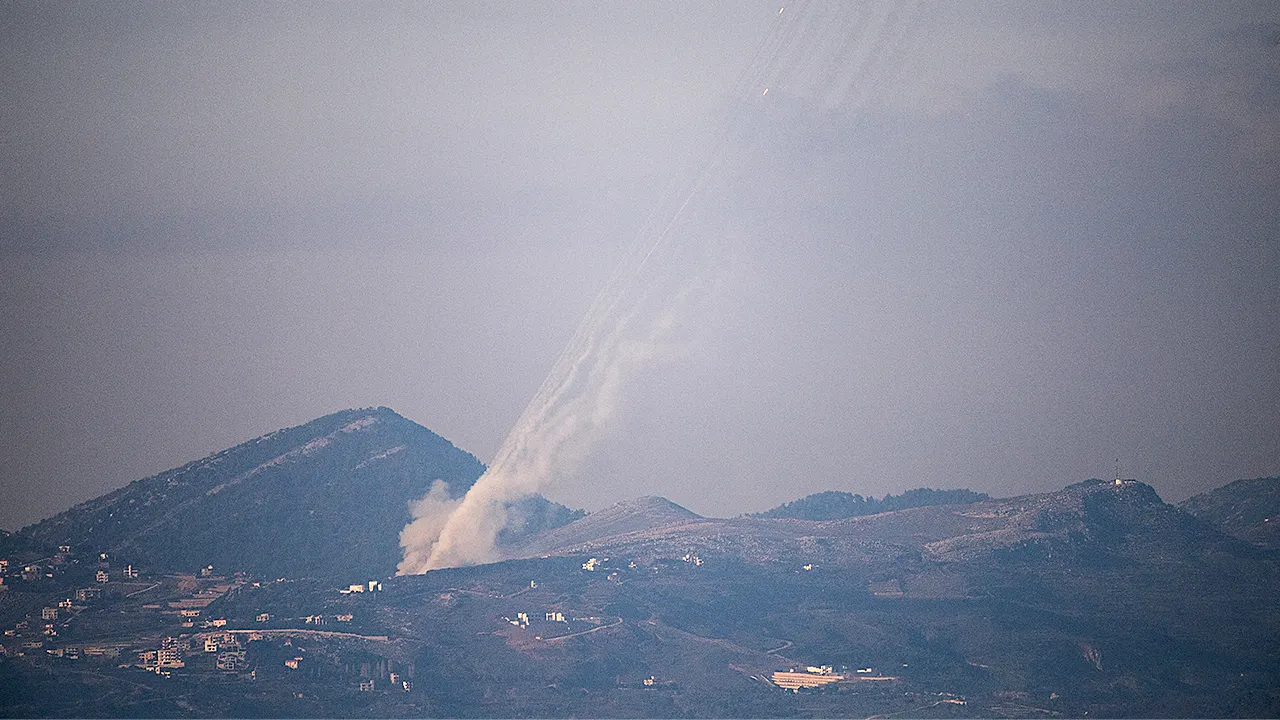
The strategic shockwaves of this rapid technological shift have reverberated all the way to the highest levels of the Israeli government, exposing vulnerabilities that have blindsided military strategists. Following an intense, coordinated barrage of rockets and drones that threw northern borders into absolute chaos, Prime Minister Benjamin Netanyahu was forced to call an emergency security meeting to address the crisis. The scale and coordination of the attack caught the military apparatus entirely off guard, forcing commanders to confront a dramatic operational evolution by Hezbollah. Command structures on the ground described scenes of sheer bedlam as Hezbollah integrated traditional rocket barrages with simultaneous waves of low-flying drone strikes, saturating regional defense grids and rendering standard countermeasures ineffective. Hezbollah’s leadership, including Naim Qassem, has openly boasted about this drone campaign, framing it as a highly effective equalizer against Israel’s ground troops operating near and inside southern Lebanon. Netanyahu himself has openly acknowledged the existential threat posed by these silent aerial devices, admitting that their low altitude, small radar cross-section, and erratic flight paths make them exceptionally difficult for traditional air defense networks to track and intercept. This realization has sparked intense debate among military planners, who are now forced to rethink their broader doctrines of deterrence and territorial defense in a landscape where their superiority is aggressively challenged.
The proliferation of these deadly aerial systems also raises urgent questions about the global supply networks that sustain and feed modern non-state combat units. Chell emphasizes that the technology powering these drones is not necessarily groundbreaking or classified; instead, Hezbollah is brilliantly repurposing accessible, widely available commercial components that are easy to source. This simplicity, however, exposes a vast and deeply concerning global supply chain that stretches far beyond the borders of Lebanon. Whether these systems and their critical components are smuggled through back-channel networks originating in Iran, manufactured and exported from China, diverted through Russian operations, funneled out of Afghanistan, or procured through the expansive reaches of the international black market, it is clear that a robust and highly organized logistical pipeline is feeding this conflict. By bypassing international sanctions and traditional trade blockades, someone is successfully delivering a steady stream of highly adaptable equipment directly into Hezbollah’s hands. This reliance on commercial, off-the-shelf hardware means that traditional military embargoes are proving increasingly ineffective. It highlights a troubling reality of contemporary global conflict: as long as commercial technology continues to advance, non-state actors will find ways to weaponize it, turning everyday consumer products into tools of targeted, lethal violence that can be manufactured and deployed at a fraction of the cost of conventional defense systems.
Ultimately, this sudden and terrifying escalation along the Israel-Lebanon border serves as a stark harbinger of the future of global conflict. The era when state militaries held an absolute monopoly on advanced nighttime battlefield awareness and tactical precision is rapidly drawing to a close. The psychological toll on the soldiers who must live under this constant aerial vigil is immense, as the simple act of stepping out into the night now carries the risk of instant, unseen targeted violence. This shift will require a massive, fundamental overhaul of how ground operations are conducted worldwide, forcing defense departments to invest heavily in localized, rapid-response air defenses while soldiers on the ground continuously adapt to survive. The quiet borderlands, once defined by traditional front lines and predictable barriers, have been transformed into a fluid, multidimensional battlespace where the threat can materialize silently from any angle. As the dust settles over these recent encounters, the lesson remains clear: the future of warfare will not just be fought with multi-billion-dollar fighter jets and missile silos, but with cheap, mass-produced drones guided by thermal sensors, flying through the dark, and continuously redefining the fine line between survival and defeat for those caught in their crosshairs.