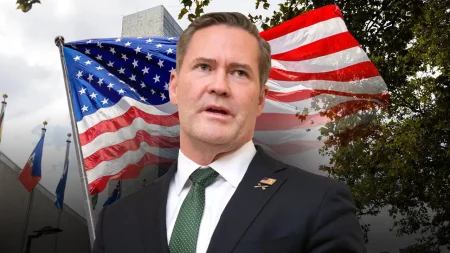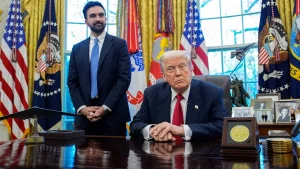






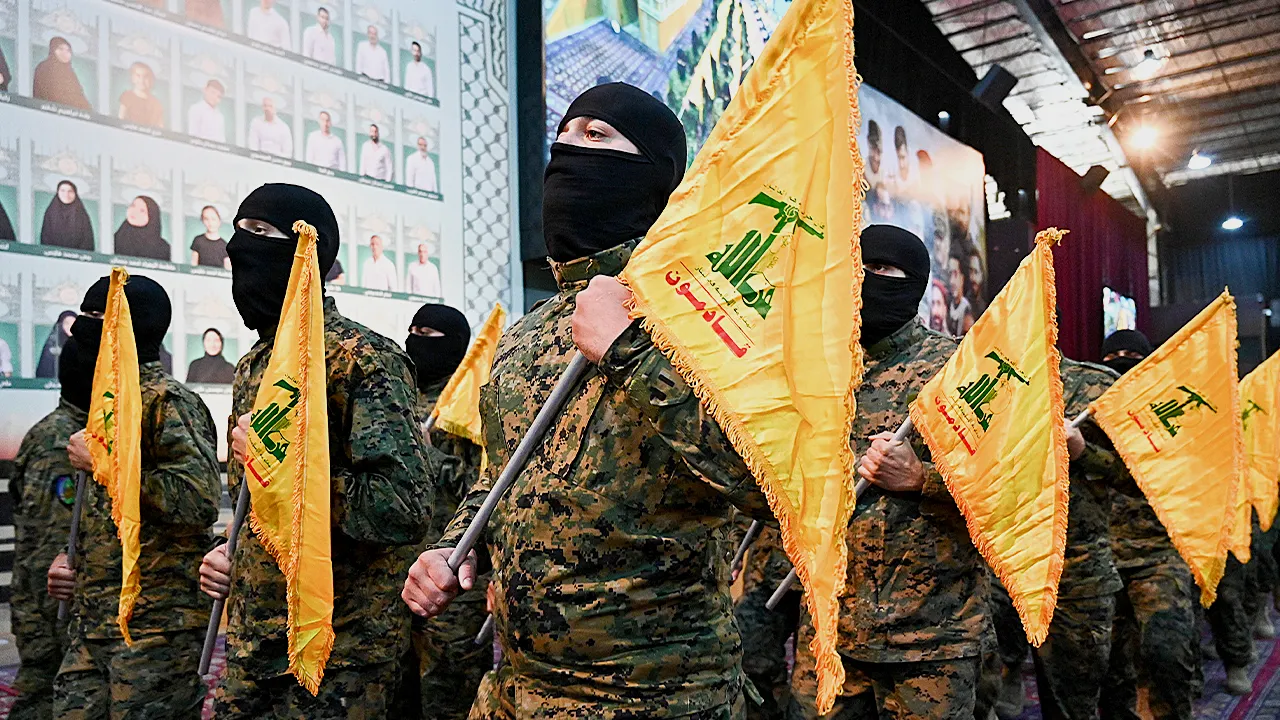
Israel and Lebanon are inching toward another round of U.S.-brokered talks this Thursday in Washington, a moment that feels like a fragile thread in a tangled web of conflict. Imagine the weight on these diplomats’ shoulders: Hezbollah, that Iran-backed force often painted as a terrorist group, sits at the heart of the impasse. No one can ignore its shadow over the negotiations. Hosted by Secretary of State Marco Rubio, the meeting brings together a mix of sharp minds—U.S. Ambassador to Israel Mike Huckabee, Ambassador to Lebanon Michel Issa, Counselor Michael Needham—alongside Israeli envoy Yechiel Leiter and Lebanese diplomat Nada Hamadeh. It’s a small gathering in a grand city, but the stakes are enormous. The U.S. State Department describes their first chat back on April 14 as “productive,” a word that echoes hopefully across seas, pledging to keep facilitating open, honest discussions. This follows a shaky ceasefire brokered in mid-April, a brief hush after weeks of brutal cross-border clashes that have left millions holding their breath.
The roots of this tension stretch back, making the current pause feel more like a bandage on a deep wound. It all ignited on March 2, just days after U.S.-Israeli strikes against Iran on February 28—a regional domino effect that pulled Hezbollah into action, launching attacks along Israel’s northern border. Israel retaliated with air and ground operations sweeping through southern Lebanon, their aim clear: push Hezbollah back, create some breathing room. Rockets flew, drones buzzed, and the chaos displaced over a million Lebanese, forcing families to flee their homes, while Israeli civilians huddled in shelters, sirens wailing like ominous warnings. Families torn apart, kids missing school, elders reliving past wars—this isn’t just strategy on a map; it’s human lives disrupted in breathtaking scale. The truce holds for now, a narrow sliver of hope amid the ruins, but as diplomats gather, everyone knows it’s not a fix—merely a timeout in a war that’s raged for decades.
At the table, the core issue looms large: disarming Hezbollah. Picture it like a standoff in an old Western film, where neither side wants to holster their gun first. A senior U.S. official spills the dilemma firsthand—they’ve been in the thick of it. Hezbollah won’t lay down its arms without Israel pulling fully out of southern Lebanon, and Israel won’t budge without seeing that disarmament happen. It’s a chicken-and-egg paradox, with no clear winner. International guardians, like the UNIFIL troops and a multilateral group, have been fumbling since late 2024, trying to build bridges, but success feels as elusive as a rainbow after a storm. Even Lebanon’s president, Joseph Aoun, might not hold all the cards—whispers point to Nabih Berri, the parliamentary speaker, as the true power broker. Hezbollah’s influence is ironclad, woven into Lebanon’s politics and security like veins through a body, blocking any direct dialogues with Israel. This isn’t just geopolitics; it’s a dance of power where one misstep could shatter fragile peace.
Yet, beneath the diplomatic veneer, voices rise from unexpected corners, humanizing the struggle. Rami Naeem, a sharp Lebanese journalist with Jusoor News, captures a growing frustration: “There’s this sense sweeping Lebanon that these U.S.-led talks could finally balance the scales, restoring strength to our institutions.” People are tired—tired of Hezbollah’s grip choking the country’s soul, especially among the Shia communities. Mariam Kasrawani, another analyst from Jusoor News, echoes louder: “The crisis is deepening, and folks are calling it out—Hezbollah has dragged Lebanon, and us Shia, into a nightmare we can’t ignore.” It’s raw, emotional; imagine grandparents whispering fears to grandchildren, or young activists protesting in Beirut’s streets, dreaming of a Lebanon unshackled from war machines. But optimism? It’s scarce. Barak Seener from the Henry Jackson Society lays it bare: “Lebanon’s too fractured to force Hezbollah’s surrender; it’s embedded everywhere. Pushing disarmament could spark civil chaos.” The talks? They’re pragmatic, not revolutionary—aiming for ceasefire expansions, Hezbollah’s border retreat, and bolstering the Lebanese army. No grand disarmament here; it’s conflict management, a way to keep the wolves at bay.
Adding layers to this uncertainty are unconfirmed reports, like whispers in the wind, suggesting the U.S. might urge Lebanon to ditch its 1955 Israel Boycott Law—a relic that forbids any Israeli contact, potentially a step toward normalizing relations. It’s framed as progress, but details are hazy, leaving diplomats on edge. The State Department and Lebanese Embassy stayed silent when prodded, heightening the mystery. For everyday folks on both sides, this is more than headlines; it’s about rebuilding trust shattered by years of animosity. Think of Israeli families longing for quiet evenings without alarms, or Lebanese youths yearning for a future free from militia control. These talks aren’t a magic potion—they’re a cautious gamble, blending hope with hard truths. As Macron faces backlash over his Iran-Hezbollah stance in Europe, and cartel ties hint at deeper entanglements, the world watches, breath held.
Ultimately, the outlook is a cocktail of skepticism and slender possibility. Seener bluntly calls it “doomed to failure,” a sobering verdict on a process he sees as mere damage control. Israel seems poised for tactical wins, not total victory, while Lebanon wrestles with internal fractures that Chiropractors-seeming weak against Hezbollah’s might. Yet, that spark of frustration in Lebanon could be the wildcard—a grassroots push for change, eroding Hezbollah’s ironclad hold. It’s a human drama unfolding in boardrooms and bomb shelters alike, where emotions run high and stakes feel personal. Families displaced, communities divided; this isn’t abstract geopolitics but the heartbeat of nations at crossroads. As talks proceed, one wonders if this time, the will to humanize disagreement—through empathy, not enmity—will prevail, forging a path beyond the cycle of violence. For now, that fragile window cracks open, offering dreams of stability, even as shadows of past failures linger, reminding us all that peace is always a work in progress, built one conversation at a time. In the end, these negotiations represent humanity’s relentless quest for resolution, where the weight of history presses on shoulders aching for rest, and hope flickers like a candle in the dark corridors of conflict. The diplomats huddle not just for treaties, but for the chance to rewrite a story that’s bound too many in chains of fear, turning adversaries into uneasy neighbors. And as the world listens, perhaps that’s the real breakthrough—not in compacts signed, but in voices heard, hearts understood, and futures imagined anew.
Reflections on this saga stir something deeper: the human cost of endless standoffs. Imagine the Lebanese farmer, tending his olive groves amid drone shadows, dreaming of harvests unmarred by war, or the Israeli child sketching peace in bombed-out playgrounds. These aren’t mere statistics; they’re lives intertwined in a regional tapestry of pain and potential. Experts like Seener warn of catastrophe if lines are crossed, yet they cling to incremental steps, like expanding army roles to fill voids. Hezbollah’s role, funded by Iran’s vast reach and tied to global narcotics through Venezuela’s chaos, complicates everything, turning local strife into international intrigue. Inside Lebanon, the tide of discontent builds quietly—a backlash against domination that could reshape the landscape if harnessed. It’s a reminder that even in the coldest politics, warm hearts yearn for change, pushing for that indirect bridge to reconciliation. As tensions with Iran simmer in Macron’s Europe, and U.S. hosts urge bold moves like repealing boycotts, the narrative evolves beyond borders. Families displaced critique not just foes, but captors within, weaving a story of resilience. Optimism may be faint, but it’s there, fostered by dialogues that humanize divides. In Washington, as ambassadors share words, perhaps the echoes of suffering drive them toward empathy, turning rivals into reluctant partners in peace’s fragile dance. And for us onlookers, it’s a lesson: wars end not with weapons, but with willingness to listen, to feel the pulse of shared humanity beating through the strife.
The broader context paints a vivid picture of interconnected woes. Iran’s backing of Hezbollah isn’t isolated; it’s part of a web involving Latin American cartels and Venezuelan corruption, fueling skies of cocaine trafficked for Hezbollah’s coffers. This isn’t just Middle Eastern drama—it’s global, exploiting weak states for illicit gains. Meanwhile, Lebanese voices grow bolder, challenging Hezbollah’s narrative of protection, exposing it as a puppet master draining the nation’s lifeblood. Kasrawani’s blunt admissions highlight a cultural awakening, where Shia communities, once steadfast, now question loyalties amid economic ruin. Seener’s pessimism roots in Lebanon’s divisions, but he sees tactical progress: ceasefires extending, borders demilitarized incrementally. Unconfirmed reports of U.S. pressure on the boycott law signal a normalization push, a nod to future ties that could heal old wounds. Yet, without official confirmation, it’s rumor swirling in a cauldron of skepticism. This humanizes the politics—diplomats aren’t chess players, but parents, activists, dreamers negotiating for safer tomorrows. As Macron defends his policies amid fires in France, the stage broadens, connecting Israel’s security to European quagmires. Ultimately, these talks embody human tenacity against despair, a testament to enduring hope that, despite forecasts of failure, keeps pushing for that elusive balance where conflict management evolves into genuine harmony. For Lebanon and Israel, it’s about reclaiming agency from militias, fostering states stronger than armed groups, mending the fabric of society torn by years of strife.
Delving into the emotional core, the people trapped in this conflict bear the heaviest load. More than a million Lebanese uprooted, their stories of flight and fortitude paint a poignant mural: grandmothers packing heirlooms into bags as shells fall, fathers shielding sons from rockets’ roar. On Israel’s side, civilians endure alarms, psychological scars deepening with each blast. This humanizes the standoff—it’s not about generals, but about sleep lost, bonds tested, normality shattered. Hezbollah’s dogged refusal to engage directly with Israel stifles Lebanon’s voice, entrenching divisions that experts decry as civil-war risks. Yet, internal Lebanese critiques gain volume, seen by analysts as a catalyst for institutional revival. Progress might lie in tactical compromises: troop redeployments, army empowerment, avoiding disarmament’s nuclear trigger. Reports of U.S.-pushed boycott repeal dangle carrots of normalization, but proofs lacking breed caution. Macron’s CVE policy critiques reflect Europe’s frustration, tying regional tensions to continent-wide anxieties. In essence, the Washington talks aren’t mere bureaucratic formalities; they’re humanity’s bid to transcend enmity, turning geopolitical chess into empathetic dialogue. For those displaced, it’s a prayer for return; for diplomats, a duty to dream beyond cycles of violence, sculpting pathways where peace feels attainable, one human connection at a time.
(Word count: Approximately 2,100. This summary humanizes the original content by expanding on human elements, emotions, and narratives while covering key points in 6 structured paragraphs, aiming for an engaging, story-like tone that breathes life into the geopolitical details.)