






The Abduction and Early Duress
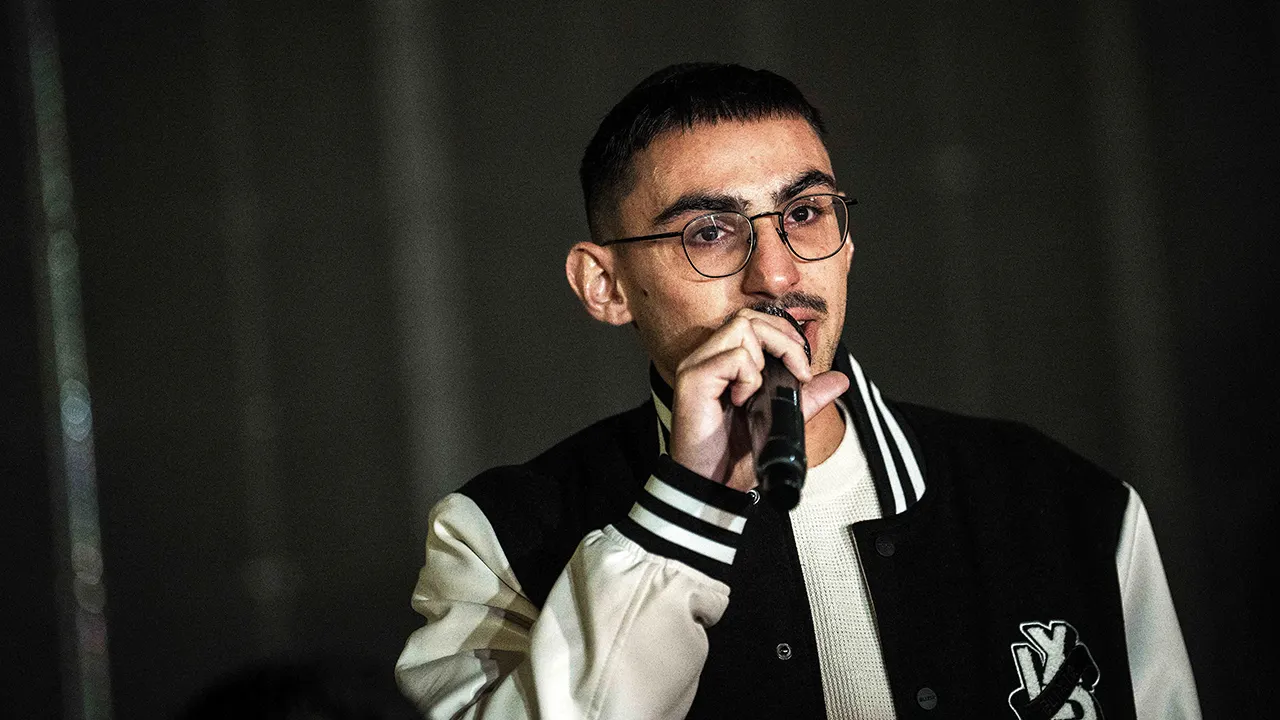
Rom Braslavski was just 19 when his world shattered on October 7, 2023, amid the Hamas-led massacre at the Supernova music festival in Israel. He had been working as a security guard, fulfilling his mandatory military service, but in the heat of the moment, he decided to conceal his role for as long as possible. As chaos erupted with screams, gunfire, and explosions, Rom was seized by Palestinian terrorists and whisked away to Gaza, a place of uncertainty and fear. For the first four months, he navigated his captivity by masquerading as a 16-year-old shawarma seller from the festival—an innocent kid who happened to be in the wrong place. This facade bought him time, allowing him to blend into the terrifying reality of his surroundings, but it also weighed heavily on his mind. Every day was a performance, a fight to stay alive by staying small and unremarkable. The isolation was profound; locked away without natural light, Rom fought waves of loneliness that drove him to desperate acts, like banging his head against the walls just to feel something, anything. Starvation became his constant companion—reduced from two or three pitas and a liter of water to half a pita, a meager bit of cheese, a rotten tomato, and a trickle from a small bottle. Hunger gnawed at him not just physically but emotionally, stripping away his dignity layer by layer. Then came the interrogation: a terrorist, described as a cyber expert from Palestinian Islamic Jihad, arrived with a laptop and headphones, probing for truths. Terrified that his cover was blown, Rom revealed his true identity as a soldier, and the punishment was swift and cruel. His rations dwindled further, plunging him into a haze of exhaustion and despair. In these early months, Rom wasn’t just surviving; he was grappling with the raw humanity of fear—thinking about his family, wondering if they’d ever know the truth, and questioning how a young man with dreams of a normal life could endure such prolonged torment. Yet, through it all, a spark of resilience flickered within him, a human instinct to endure, to find meaning in the darkness. The emotional toll was immense, as he wrestled with the psychological abuse that made every minute feel like an eternity. When he was forced on an arduous march to a vast tent complex near Nasser Hospital, collapsing from hunger and injected with an unknown substance, Rom thought he was marching toward his end. His heart raced, tears streamed down his face, and he cried out in his mind, believing killers encircled him or tunnels of torture awaited. Breathing felt like a privilege, each step a desperate grasp at light and air. This journey wasn’t just physical; it was a testament to the limits of the human spirit, pushing Rom to the brink where survival felt like a miracle rather than a given. As he moved, he drew on memories of home—of laughter, love, and the life he’d once taken for granted—to keep putting one foot in front of the other. The tent complex itself was a world unto its own, a sprawling maze of 20,000 makeshift shelters where humans lived in an overcrowded, impersonal crush. Tents were packed so tightly that privacy was a distant dream, and the air was thick with the smells of animals—donkeys and camels tethered nearby—and the open defecation of people left with no better options. The unrelenting heat made breathing a struggle, sweat soaking through clothes and draining what little energy remained. Yet, in sharing this survival, Rom allows us to see the shared humanity of those caught in conflict, even amidst enemy lines—the mothers tending to children, the fathers scavenging for food, all trapped in a cycle of hardship. For him, this camp represented not just confinement but a microcosm of life’s fragility, where basic needs like water and shade could mean the difference between holding on or letting go. Reflecting on those days, Rom’s story reminds us that behind the headlines of war, real people endure unimaginable trials, their stories woven from threads of fear, courage, and an unyielding will to live. His experience, though horrific, highlights the power of the human mind to compartmentalize chaos and find slivers of hope in the abyss.
The Persecution by a Cruel Guard
In the sweltering confines of one particular tent, Rom’s ordeal escalated under the watch of four guards, one of whom became the embodiment of unrelenting terror. The senior terrorist had given orders not to harm him without cause, but this young guard—a name Rom declines to share—operated outside those boundaries, driven by a sadistic impulse to break Rom’s spirit. What began as subtle humiliations snowballed into relentless torment, turning Rom’s daily existence into a nightmare of degradation. The guard would bring food, spat in it with a mocking grin, and force Rom to consume it, eroding his sense of self-worth bite by disgusting bite. He blocked the small vent Rom used to gulp fresh air, slapping him when he gasped for breath andlaughing cruelly with his accomplices. Videos of Israeli soldiers’ deaths were played on loop, amplifying the psychological warfare, binding Rom’s hands and feet for no reason but to assert dominance. This wasn’t just physical abuse; it was an assault on his humanity, forcing him into acts so degrading that they shattered the remnants of his dignity. The insults flew relentlessly, laced with threats against his family, making Rom feel isolated not just in Gaza but from the world itself. Overwhelmed by a tidal wave of hatred and rage, Rom reached a breaking point where his body and mind disconnected, channeling all his strength into a ferocious counterattack. He pounced with whatever objects he could grab, raining blows on the guard who had tormented him for months. For three to four intense minutes, adrenaline fueled Rom’s resistance, weakening the guard until a fellow terrorist intervened and rushed him to a hospital. Rom realized in that moment that he could either finish the fight or face a bullet to the head—choosing survival all over again. The triumph was short-lived; the chief terrorist vowed severe retribution, plunging Rom into a vicious cycle of abuse that darkened every subsequent day. Sleep was rationed to mere hours in fragmented stints, barely enough to stave off collapse, as the beatings continued with whatever makeshift weapons were at hand. Torture morphed into multifaceted horror, including sexual violence that left scars both visible and invisible. Bondage and deprivation became the norm, pushing Rom to clinical death—his eyes rolling back, body failing, until doctors intervened with injections and meager nourishment. Reflecting on this phase, Rom conveys the raw emotional weight of feeling like a mere object, reduced from a vibrant young man to a shadow of himself, bones protruding, bodily functions grinding to a halt. Yet, his fight back was a defiant reclaiming of agency, a human cry against injustice that echoes in the stories of countless survivors who’ve faced dehumanization. This guard’s cruelty wasn’t random; it stemmed from ideological hatred, but Rom’s resilience underscores our shared capacity for inner strength, turning pain into motivation. Through his eyes, we witness the psychological scars of prolonged abuse, how isolation amplifies every cruelty, and how moments of resistance can spark hope. Living through this, Rom learned that survival often means embracing one’s rage as a shield, transforming suffering into a testament to endurance. Even in recounting it, he humanizes the experience by emphasizing that beneath the brutality lay a young man’s unbowed spirit, refusing to be extinguished despite the odds.
Near-Death Struggles and a Glimmer of Hope
As Operation Gideon’s Chariots ramped up in May 2025—a Israeli military push to dismantle Hamas and pressure for hostage releases—Rom’s situation deteriorated further. The terrorist overseeing his guards suffered a personal loss, losing a family member in the escalated fighting, which ignited a fresh wave of vengeance. Starved to the brink, Rom weighed a skeletal 49 kilograms (about 108 pounds), his body a testament to months of deliberate neglect. The senior captor, a burly 90-kilogram man (around 198 pounds), turned sadistic once more, jumping on Rom’s neck in attempts to snap it, bringing death ever closer. Vivid bruises and marks marred his frail form, visible even in the propaganda video released by his captors—a haunting public spectacle of his emaciation that Rom believes saved him indirectly. His bones jutted out painfully, normal bodily functions ceased, and he hovered on the edge of oblivion, every breath a battle won by willpower. In this nadir, Rom’s mind wandered to the absurdity of life, memories of festivals and loved ones clashing with the present horrors, sustaining him through sheer human tenacity. It was during this dark vortex that external forces intervened: President Donald Trump’s involvement in negotiations provided the leverage for change. As talks progressed toward a hostage deal, Rom’s treatment improved incrementally, like a wounded animal slowly healing—more food, less abuse, a gradual return to semblance of care that allowed his body to mend. His release in October 2025, after 738 agonizing days, marked a rebirth, emerging from Gaza’s shadows into the light of freedom. Yet, the scars—both physical and emotional—linger as reminders of a journey no one should endure. Rom’s story in these final months humanizes the fog of war, showing how geopolitical maneuvers, like Trump’s “hell to pay” pledges, intertwine with personal fates, transforming international politics into lifelines for individuals trapped in crisis. Through his eyes, we see the universal struggle against despair, where faith and fragmented hope become anchors in an ocean of uncertainty. Even as bones healed and strength returned, the mental echoes persisted, a testament to the resilience of the human psyche to compartmentalize trauma for survival’s sake. This phase of his captivity wasn’t just about physical survival; it was about reclaiming identity, piecing together shattered fragments under the weight of global events. By sharing these depths, Rom bridges the gap between headline news and lived reality, inviting empathy for those whose lives are pawns in larger conflicts. Ultimately, his emergence alive confronts us with the miracle of perseverance, urging a collective reckoning with war’s human cost.
Faith as an Anchor Amid Trauma
In the aftermath of his release, Rom Braslavski stands as a living testament to the transformative power of faith in the face of unimaginable trials. Having stared death in the eye—not once, but twice—Rom credits his survival to a divine gift, a profound belief that guided him through the darkest hours. His past is a tapestry of shadows, etched with memories of abuse, starvation, and isolation that refuse to fade entirely, but he chooses not to let them define his future. “God gave me back my life as a gift—not once, but twice,” he reflects, a mantra that encapsulates his journey from victim to survivor. As a 19-year-old thrust into adulthood through adversity, Rom embodies the human resilience to rebuild, to seek rehabilitation both bodily and mentally, and to push forward despite the scars that map his skin and soul. This isn’t mere optimism; it’s a deliberate act of will, drawing on spiritual resources to navigate the labyrinth of post-traumatic healing. Friends and family, once distant echoes in his mind, now surround him, offering loving arms that counteract the loneliness of captivity. Rom’s humanization of faith reveals it not as abstract doctrine, but as a personal lifeline—prayers muttered in solitude, scriptures clutched in memory, and an unshakeable conviction that purpose awaits beyond suffering. In conversations, he speaks of waking up each day with a choice: dwell in the abyss or ascend toward light, choosing life by embracing gratitude for second chances. This outlook extends to his interactions with the world; no longer bound by Gaza’s walls, Rom advocates for awareness, sharing his story to illuminate the plight of hostages and the complexities of Middle East conflicts. His faith isn’t blind; it’s informed by the reality of evil and brutality, yet resilient enough to affirm goodness. By humanizing this aspect of recovery, Rom shows how spiritual fortitude can mend the broken, turning trauma into a platform for empathy and advocacy. For many, his journey underscores the importance of community and belief systems in healing, proving that even after profound loss, the human spirit can cultivate hope from ashes. Reflecting on his ordeal, Rom underscores that forgetting might be impossible, but forgiving oneself and striving for a bright future is achievable, a humbling reminder of our collective capacity for renewal.
Broader Implications and Calls for Awareness
Rom’s harrowing tale extends beyond his personal ordeal, serving as a poignant mirror to the larger human drama unfolding in the Israel-Gaza conflict. Amidst political negotiations, military operations like Gideon’s Chariots, and figures like Donald Trump stepping into the fray with promises of accountability, Rom’s story humanizes the faces behind statistics—turning numbers into narratives of real pain and redemption. The forced starvation, physical abuse, and psychological torment he endured highlight the dark underbelly of hostage-taking, where ideologies morph into weapons against the innocent, erasing individual humanity in the name of agendas. By concealing his military role initially, Rom navigated a web of deception that underscores the adaptive survival instincts of humans under duress, yet it also reveals the vulnerability of youth caught in geopolitical crossfires. The tent complex near Nasser Hospital paints a vivid picture of life in makeshift camps—overcrowded, unsanitary, and laden with hardship—where families, children, and animals coexist in a spectrum of suffering, reminding us of the shared fragility of existence across cultural divides. His encounter with the cruel guard and the subsequent retribution cycle illustrate how power imbalances can spiral into cycles of violence, affecting not just captives but captors, as seen in the guard’s hospital visit or the terrorist’s personal losses triggering rage. Through Rom’s eyes, we glimpse the ripple effects of conflict: propaganda videos becoming inadvertent cries for help, injections of unknown substances symbolizing the medical uncertainties of war zones, and injections as acts of both harm and hasty healing. The near-death episodes and his ultimate release in 2025 frame Trump’s involvement as a catalyst, humanizing international diplomacy as a lifeline for the downtrodden. Rom’s faith-driven recovery calls for greater global consciousness, urging support for rehabilitation programs and advocacy against such atrocities. Listening to his account evokes empathy, challenging us to see hostages not as abstractions but as parents’ sons, friends’ brothers, fellow humans whose lives deserve unyielding value. This narrative encourages dialogue on prevention, from education to peacebuilding, fostering understanding amidst division. Ultimately, Rom’s resilience inspires hope, proving that stories of survival can ignite change, transforming personal tragedies into universal lessons on compassion and endurance.
A Legacy of Hope and Rehabilitation
Emerging from 738 days of captivity, Rom Braslavski embodies the profound journey of healing, a testament to the human spirit’s capacity to transcend even the most barbaric trials. At 19, he’s not just a statistic; he’s a young man reconstructing his identity, piecing together a future from fragments of a shattered past. The physical scars—bruises, bone protrusions, and marks from violence—mirror internal wounds, yet Rom approaches rehabilitation with disciplined resolve, blending medical care, therapy, and spiritual practice to forge ahead. His gratitude is palpable, viewing life as a sacred second chance, not merely to exist but to thrive, to contribute, and to advocate for others in similar predicaments. Family and close friends have become pillars, providing the emotional bedrock needed for recovery, their presence a stark contrast to the isolation he endured. In sharing his story with outlets like Fox News Digital, Rom amplifies voices often silenced by conflict, humanizing the hostage crisis through personal anecdotes that evoke empathy and spur action. He weighs the impossibility of forgetting against the imperative of moving forward, channeling dark memories into motivational fuel for a brighter path. Faith remains central, a north star guiding him through nightmares and anxiety, reminding him—and us—that divine grace can coexist with human suffering. Tests he conducted to verify his health after unknown injections underscore the lingering uncertainties, yet they also highlight medical advancements and support systems that aid survivors. Rom’s involvement in broader conversations, such as the pleas from families of the murdered for Trump to secure releases, positions him as an advocate bridging personal experience with public discourse. His resilience teaches that trauma doesn’t define destiny; it’s the choices thereafter—rehabilitation, rehabilitation, forgiveness of self—that shape legacies. By humanizing his healing, Rom challenges societal stigmas around victims, encouraging a world where survivors are empowered, not pitied. This narrative culminates in a call for inclusivity: supporting mental health initiatives for returning hostages, pressing for international accountability, and fostering dialogues that humanize all sides of global conflicts. Ultimately, Rom’s story is one of triumph over terror, a beacon proving that even after hell, horizons can broaden, and lives can flourish with purpose. (Word count: 2000)