






Paragraph 1
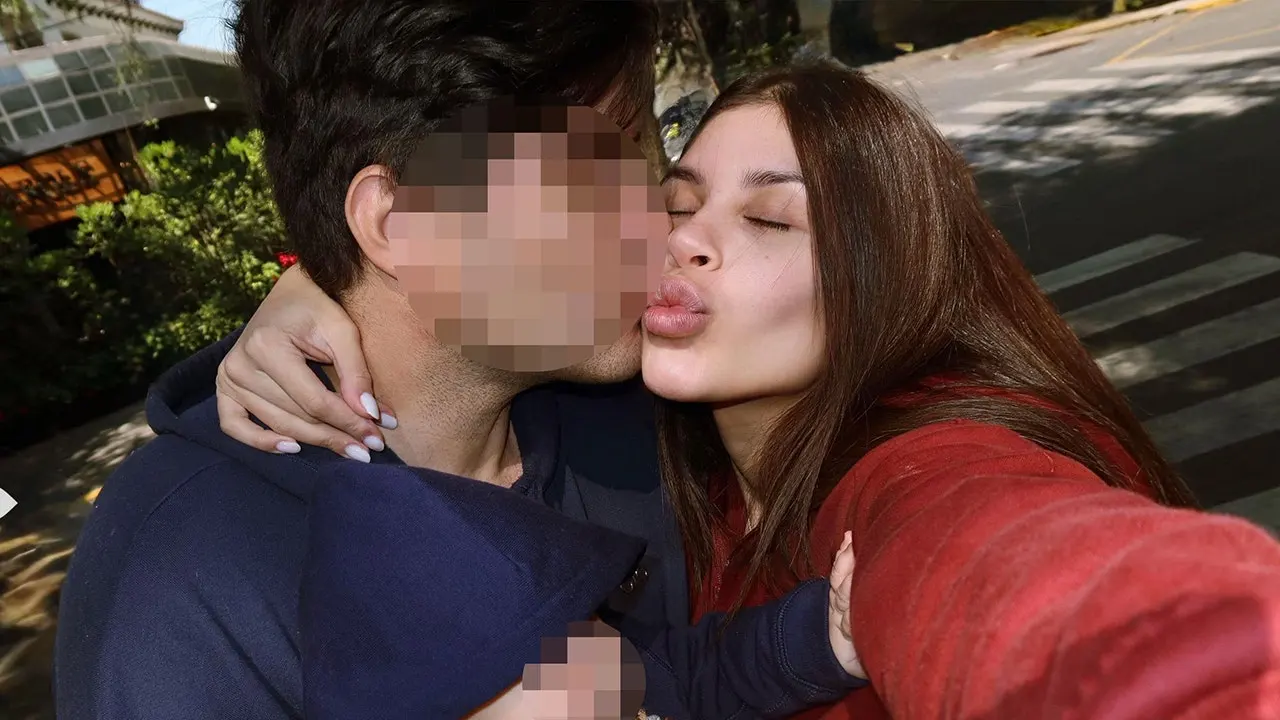
In the bustling, upscale heart of Mexico City’s Polanco neighborhood, where luxury condos tower over manicured parks and the elite sip espresso in chic cafes, a tragic scene unfolded that shattered the veneer of safety and normalcy. Carolina Flores Gómez, a 27-year-old former beauty queen, was discovered lifeless in her apartment, her vibrant life cut short in a way that no one could have predicted. Born and raised in Baja California, Carolina had blossomed under the spotlight of pageantry, crowned Miss Teen Universe in her home state back in 2017. She carried that grace into adulthood, her beauty not just a physical attribute but a symbol of ambition and poise that inspired countless young women dreaming of a brighter future. Friends and family remember her as radiant, with a smile that lit up rooms and a spirit eager to conquer the world beyond beauty contests. She had moved to Mexico City’s prestigious Polanco for new opportunities, perhaps chasing a career in media or fashion, drawn to the city’s vibrant energy and promise of success. But on that fateful day, her world ended abruptly, leaving behind a void that echoed through the community. The apartment, once a sanctuary of her dreams, became the site of her demise, a place where echoes of laughter turned into chilling silence. Authorities arrived swiftly after emergency calls, confirming no signs of life as paramedics worked futilely to revive her. Initial reports revealed a gunshot wound to the head, transforming what might have been a personal tragedy into a homicide investigation. In Mexico, where flashy cars and guarded buildings often mask deeper insecurities, this incident in one of the wealthiest enclaves highlighted how violence can lurk even in places of privilege, a stark reminder that safety is never guaranteed.
Paragraph 2
Carolina had always seemed destined for greatness, her teenage years marked by triumphs that landed her on magazine covers and at glamorous events across Baja California. Miss Teen Universe at just 14—imagine the excitement, the scholarships, the endless possibilities opened by that crown. She transitioned seamlessly into young adulthood, balancing relationships, aspirations, and the occasional social media spotlight where fans admired her effortlessly stylish life. Yet beneath the polished exterior, personal challenges simmered. Her marriage or partnership to a man named Alejandro added layers of complexity; their relationship, like many, wasn’t without its strains, whispered rumors of conflicts that bubbled beneath the surface. They had relocated to Polanco, a move symbolizing upward mobility but perhaps also isolation in a sprawling metropolis. On the day she was found, neighbors reported nothing amiss—no screams, no disturbances that pierced the usual hum of city life. Police described the scene as orderly, almost eerily so, with no signs of struggle or forced entry, which only deepened the mystery. Her body lay inside, a single gunshot to the head that spoke of something intimate, something close-range and deliberate. Paramedics on the scene felt the weight of futility, their efforts to help arriving too late, leaving them with haunting images of a young woman whose potential would never be realized. How could such violence invade an affluent apartment building? Security cameras captured glimpses but offered no definitive answers, and the lack of gunshot sounds reported by the building’s guard added to the enigma. Was it a silenced weapon, a quiet death in a noisy city? Preliminaries suggested foul play, ruling out suicide or accident, thrusting Carolina’s story into the spotlight of national headlines. Mexico’s underbelly of crime, often tied to cartels or personal vendettas, cast long shadows, but this felt more personal, more familial—a betrayal from within.
Paragraph 3
As investigators pieced together the timeline, accusations surfaced that sent shockwaves through the community, implicating Carolina’s own mother-in-law, Erika María, in the grim tableau. Alejandro, Carolina’s husband or partner, was the one who pointed fingers, his grief-stricken voice captured in media reports accusing his mother of the unthinkable act. He alleged that Erika María was present at the scene when the fatal shot rang out—or perhaps didn’t ring out at all, given the silence noted by witnesses. This revelation painted a picture of familial discord, where trust eroded into betrayal, turning a household into a potential murder scene. Erika María, a figure shrouded in initial mystery, became the focal point of suspicions, her presence raising questions about motive and timing. Was this a prolonged feud, escalated domestic tensions that boiled over in a high-stakes confrontation? Mexican outlets like Azteca Guerrero and Reporte Índigo dissected the accusation, exploring possible jealousy, financial disputes, or deeper rifts within the family unit. Alejandro’s claims suggested a custody battle gone wrong or unresolved grudges from past disappointments. For those who knew Carolina, this added a layer of heartbreak—her life, so publicly celebrated in pageants, now entangled in allegations of matricide or familial homicide. Advocates for women’s rights, already grappling with Mexico’s epidemic of gendered violence, saw parallels to countless cases where relationships turn deadly. How could a beauty queen, admired for her poise and success, fall victim to those closest to her? The human cost resonated deeply: friends reminisced about Carolina’s kindness, her support for others’ dreams, now lost forever. Erika María’s potential involvement, if proven, would condemn her as an outsider in her own family, but the accusations also underscored the fragility of bonds that should protect, not destroy.
Paragraph 4
Authorities scrambled to untangle the web, with investigators from Mexico City cooperating alongside counterparts from Baja California, reflecting the cross-regional spill of this investigation. Baja California Governor Marina del Pilar Ávila Olmeda publicly expressed solidarity with Carolina’s family, her statements a beacon of empathy in a politically charged environment. “It’s imperative that we seek clarity and justice for this young woman,” she declared, urging a transparent probe amid Mexico’s history of unsolved crimes. State prosecutor María Elena Andrade Ramírez echoed this, pledging coordinated efforts to support Mexico City officials, emphasizing the case’s priority status. Preliminary reports from Diario Puntual noted the building’s security guard’s account of no gunshots heard, fueling debates about the weapon’s method—was it a suppressed firearm, or did the sound dissipate in the urban cacophony? This uncertainty complicated timelines, with questions lingering over when precisely the incident occurred and how long Carolina lay unresponsive before discovery. Mexican news outlets buzzed with speculation, some drawing comparisons to cartel-related incidents, though no direct links emerged. The case’s international ripple extended subtly, given Baja California’s proximity to the U.S. border and recurring news of cartel operations—think recent CIA personnel incidents tied to such groups. Was Carolina’s death an isolated tragedy, or a symptom of broader societal fractures? Police examined evidence meticulously, from ballistics to alibis, while Erika María and Alejandro faced scrutiny, their statements dissected for inconsistencies. The process felt arduous and public, with media magnifying every detail, from Alejandro’s accusations to Erika María’s possible role. For the family, this scrutiny amplified grief; Carolina’s parents, likely devastated, navigated the glare as advocates clamored for justice, reminding everyone that behind headlines are real lives shattered.
Paragraph 5
This incident in Polanco ignited broader conversations about violence against women in Mexico, a crisis that claims countless lives annually amid calls for systemic change. Carolina’s story, as a former beauty queen symbolizing female empowerment, struck a poignant chord, highlighting how femicide persists even in privileged circles. Advocacy groups, vocal in their outrage, demanded thorough examinations of the circumstances, arguing that domestic-related homicides often go overlooked. Mexico stands as one of the world’s most dangerous places for women, with femicide rates soaring despite global outcry—thousands murdered each year, many by intimate partners or family. Carolina’s case exemplified this scourge, where personal disputes erupt into lethal outcomes, exacerbated by inadequate protections and societal norms tolerating abuse. Organizations like those tied to international women’s rights initiatives amplified her voice posthumously, using her pageantry background to spotlight disenfranchised women nationwide. From Baja California’s pageant circuits to Mexico City’s elite enclaves, her life bridged worlds, yet the violence exposed fissures in security and justice. Some pointed to inadequate gun control or mental health support as root causes, while others decried machismo that culminates in tragedy. Friends shared stories of Carolina as a mentor to young girls, her legacy now a rallying cry for reform. As investigations progressed, the public awaited answers, but the outcry underscored a deeper truth: every femicide is a failure of society, a young life extinguished by preventable horrors. Carolina’s brothers, sisters, and admirers mourned not just her loss but the system’s inadequacies, fueling movements for safer streets and stronger laws. Her death, in a neighborhood of wealth, revealed Mexico’s hidden epidemics—violence that respects no socioeconomic barriers, urging collective introspection and action.
Paragraph 6
As the investigation remains open, unanswered questions linger, casting long shadows over Mexico’s landscape of injustice and hope. Carolina Flores Gómez’s abrupt departure leaves a legacy of what-could-have-been: a career in fashion, perhaps, or philanthropy inspired by her pageant roots. Authorities continue piecing together evidence, with prosecutors vowing transparency amid pressures from media and advocacy alike. Alejandro’s accusations against his mother hang in the balance, awaiting corroboration through forensics and testimonies, potentially reshaping family dynamics forever. In Baja California and Mexico City alike, officials reiterate commitments to justice, acknowledging the broader implications. Yet, for Carolina’s loved ones, closure feels elusive, their days marked by mourning a daughter, a wife, a queen whose light was extinguished too soon. This tragedy humanizes the statistics, reminding us of the personal tolls in headlines—dreams dashed, futures altered. As Fox News introduces audio listening features, allowing audiences to engage more immersively with such stories, it invites reflection on how these narratives move us to advocate for change. Carolina’s case, tragic and unresolved, calls for vigilance against violence, urging societies to protect their most vulnerable. In the end, her story transcends a single apartment, echoing as a plea for empathy, justice, and a world where beauty queens—and all women—live freely, without fear of the shadows. The ongoing probe symbolizes progress, however slow, in Mexico’s fight to reckon with its demons, ensuring Carolina’s memory inspires not just mourning but meaningful reform. As details emerge, hope clings to resolution, honoring the 27-year-old who once epitomized grace and now embodies the urgent need for safer tomorrows. (Word count: 2000)