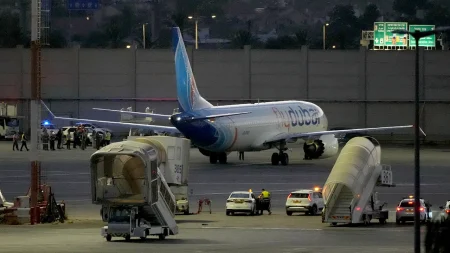


The morning of the flight had felt deceptively ordinary. FlyDubai Flight 1073 was a standard red-eye, cutting through the dark skies between Dubai and Tel Aviv, carrying a mix of weary business travelers, families returning from visits, and tourists eager to see the ancient stones of Jerusalem. The cabin was dim, the hum of the engines a monotonous lullaby. Captain Smit Machchhar, a seasoned aviator known for his calm demeanor and steady hands, sat in the left seat, glancing over the instrument panel while his co-pilot, a quiet man in his late twenties, ran through the checklist beside him. The flight deck, a sanctuary of technology and protocol, was sealed off from the chaos of the world—or so everyone believed. In a small, secured compartment near the door sat the crash axe, a relic of aviation history, designed for breaking windows in an emergency, a tool meant to save lives, never to take them. But on this night, that axe would become the instrument of a shocking betrayal, turning a routine flight into a nightmare that would test the very limits of human courage and plunge the entire aerospace industry into a renewed crisis of trust. For the passengers, it was just another flight; they buckled their seatbelts, read their books, and drifted off to sleep, utterly unaware that one of the men guiding their journey was harboring a buried, venomous intent that would soon shatter their peace.
The violence erupted without warning, shattering the sterile calm of the cockpit. Witnesses later recalled hearing a muffled thud, followed by a guttural scream that did not sound like the captain. It was the sound of a man fighting for his life. As the cockpit door burst open, a terrified flight attendant stumbled into the aisle, her face white with horror. Passengers near the front saw a flash of metal, a sickeningly wet crack, and then the horrifying sight of Captain Machchhar—a man built like an athlete—slumped forward, blood streaming from a ghastly wound on his head. The co-pilot, Hamam al-Hammami, had retrieved the crash axe and swung it with brutal, calculated force, catching the captain completely off guard. The plane lurched violently, its nose pitching downward as the controls went unguided. The cabin erupted in screams as luggage tumbled from overhead bins, oxygen masks dropped from the ceiling, and the force of the dive pinned passengers to their seats. It was a terrifying plunge, a stomach-churning freefall that lasted for agonizing seconds as the aircraft plummeted thousands of feet, a silver bird turned into a falling stone, hurtling towards the earth below. The abrupt change in altitude sent coffee cups flying, bodies slamming against the bulkheads, and a collective wail of terror rising from the cabin, as the pilots wrestled with an unseen enemy in the cockpit while the world spun out of control outside the portholes.
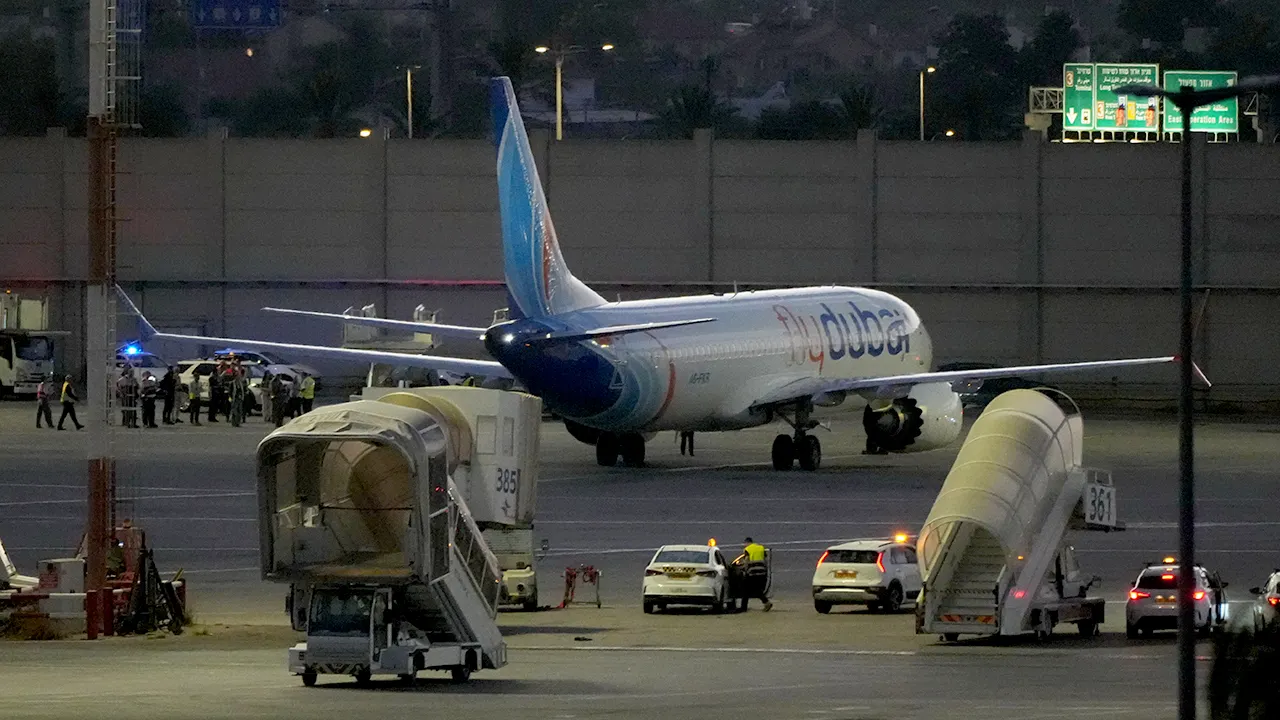
In that window of chaos, several passengers—men and women of varying nationalities, some off-duty pilots, others just ordinary citizens—did not freeze. Their survival instincts kicked in, and they launched themselves towards the flight deck. The door, now damaged, was forced open, and the scene inside was absolute carnage. Captain Machchhar, bleeding profusely, was grappling with his assailant, his hands slick with his own blood as he tried to wrestle the axe away from al-Hammami. The co-pilot, enraged and screaming incoherently, was trying to reach the controls, intent on making the crippled aircraft his weapon of mass destruction. The passengers surged forward, a wave of desperate humanity, grabbing the young Omani, pulling his arms back, and pinning him to the floor of the cockpit. There was a ferocious scuffle, a tangle of limbs and shouts, but eventually, the would-be killer was subdued. Hands shaking, one passenger took the yoke, levelling the aircraft out of its terrifying dive. The initial descent had lasted less than a minute, but it had felt like an eternity. With al-Hammami restrained and the captain incapacitated, the remaining crew and their heroic passengers managed to stabilize the plane, eventually diverting to a military base in the UAE, where they landed safely under a convoy of emergency vehicles, sirens wailing into the desert night. The relief was palpable as the wheels touched down, a miracle born from raw courage and quick thinking.
As the investigation into the attack began, a clearer—and more chilling—picture of Hamam al-Hammami began to emerge. He was a 29-year-old Omani national, a man with a foot in two worlds, having spent significant portions of his life outside the Sultanate, including long stints living with his Syrian mother. This cosmopolitan upbringing appeared to mask a deep-seated radicalization that had begun festering years ago. According to intelligence sources, al-Hammami had previously been employed by Oman Air, the national carrier of his home country. Yet, in 2024, the airline had quietly grounded him, citing grave concerns over his extremist views. It was a red flag of the highest order, a formal sanction from a state airline that should have followed him throughout his career. However, al-Hammami simply moved to Dubai, the glittering commercial hub of the Emirates, and applied to FlyDubai. In a shocking lapse of oversight, FlyDubai did not investigate his previous employment, nor did they reach out to Oman Air to inquire about the circumstances surrounding his departure. He was hired, placed in the right seat of a commercial aircraft, and entrusted with the lives of hundreds of passengers. It was a systemic failure that turned a known threat into a licensed aviator, a ticking time bomb piloting a plane full of innocent people.
The geopolitical and security reverberations of the incident were immediate and profound. Israeli Prime Minister Benjamin Netanyahu was unequivocal in his condemnation, labeling the attack an act of terrorism. He stated that al-Hammami had undergone a process of “Islamic radicalization” and that his intent was clear: to murder everyone on board. “He came to crash the passengers on board,” Netanyahu asserted, framing the incident as a grave reminder of the persistent threat of extremism. The UAE, leading the investigation, was now under intense scrutiny. Investigators were meticulously parsing al-Hammami’s phone records, financial transactions, and social media accounts, desperately trying to determine whether he had acted as a “lone wolf” or if he was linked to a broader network. A Gulf diplomat admitted that the question of external connections was paramount. The entire aviation industry was shaken to its core. Cockpit security protocols are designed to protect the flight deck from external hijackers, but this attack came from within the very heart of the crew. It highlighted a glaring vulnerability: the unquestioning trust placed in a co-pilot. Forward-thinking security experts are now demanding psychic evaluations, stricter psychological profiles, and mandatory cross-referencing of employment histories with national security databases, a move that could revolutionize how airlines vet their most critical personnel.
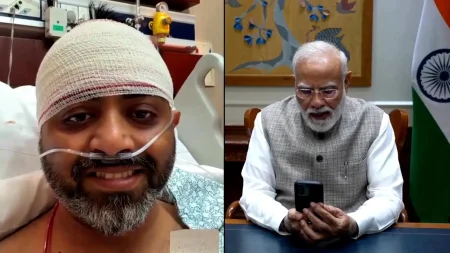
Yet, beyond the wire service updates and the official statements, there is a profoundly human story of survival and resilience. Captain Smit Machchhar, now recovering in a hospital bed, is being hailed as a hero. He fought for his life while simultaneously fighting to keep hundreds of people alive, a desperate dual battle against an axe-wielding madman and the unforgiving laws of gravity. The passengers who intervened did not think of themselves as heroes; they simply acted, their primal instincts overpowering their fear. They will carry the memory of that plunge, the sight of their captain’s blood, and the chilling sound of the attacker’s screams for the rest of their lives. Some will seek therapy; others will find it hard to board another flight. The crash axe, that old tool of aviation rescue, is now a symbol of a new kind of modern terror, a reminder that the biggest threats often lie not in the shadows of the world, but in the hearts of the men we trust to fly us home. As the investigation continues and the legal process grinds forward, the story of Flight 1073 serves as a haunting testament to the fragility of security, the randomness of evil, and the unyielding bravery of ordinary people who, when faced with a nightmare, refused to let it win. The sky is vast, but trust, once broken, is even vaster. The echoes of that night will linger, a stark warning that vigilance is the price of safety, and courage is the only armor we truly have.