




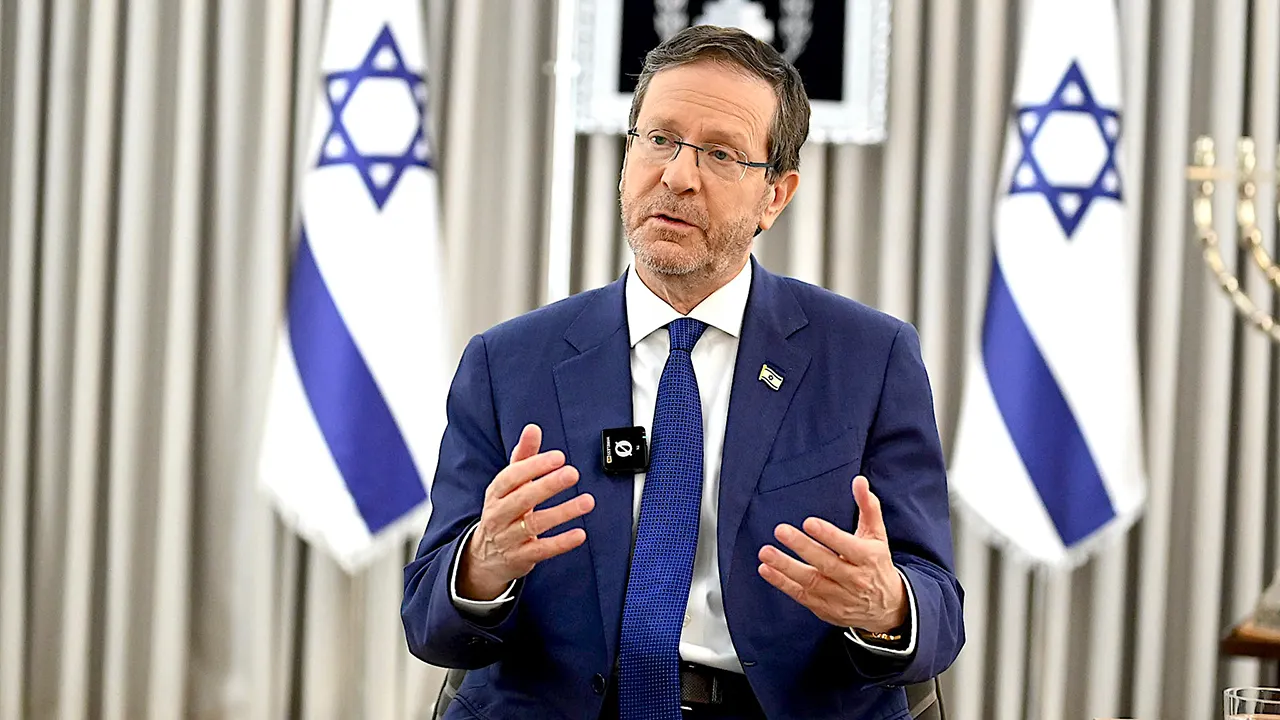
Sitting within the quiet, historic walls of his Jerusalem residence, Israeli President Isaac Herzog expressed deep concern and personal disappointment regarding the inflammatory rhetoric emerging from prominent political figures in the United States, specifically pointing to New York City Mayor Zohran Mamdani. For Herzog, the relationship between Israel and New York is not merely diplomatic; it is a deeply personal bond built on decades of shared culture, family ties, and mutual respect. To hear a major leader of that beloved city publicly brand Israeli Prime Minister Benjamin Netanyahu a “war criminal” and accuse the nation of orchestrating a “horrific genocide” feels like a profound betrayal of truth. Herzog warned that such accusations transcend standard political debate, crossing into dangerous territory that actively incites antisemitism and threatens the physical safety of Jewish communities living in New York. By denying Israel’s fundamental right to self-determination, Mamdani’s words do not just distort the reality of a nation defending itself; they sow divisions that could cause long-term, irreversible damage to the social fabric of one of the world’s most diverse cities.
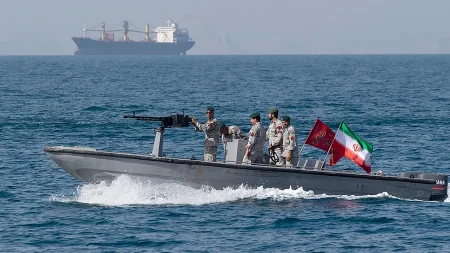
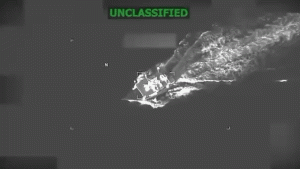
Beyond local political skirmishes, Herzog turned his attention to the overarching geopolitical shadow of Iran, characterizing the regime in Tehran as an existential threat to global stability rather than a localized Middle Eastern conflict. He painted a sobering picture of a government that systematically robs its own citizens of food, resources, and economic opportunities to fund a sprawling global network of terror. This ideological hostility, Herzog explained, is driven by an uncompromising worldview that refuses to tolerate any other faith, including moderate sects of Islam. The tangible danger of this regime was laid bare during the high-stakes joint military campaign launched by the United States and Israel in early 2026—dubbed Operation Epic Fury by the Trump administration and Operation Roaring Lion by Israeli forces. Although a ceasefire was eventually declared on April 7, the intense military engagement underscored the persistent threat of Tehran’s ballistic missile programs, its aggressive maritime maneuvers in the crucial Strait of Hormuz, and its relentless pursuit of nuclear capabilities, all of which directly jeopardize both American and Israeli lives.
In contrast to these looming threats, Herzog spoke of the alliance between the United States and Israel with a sense of profound reverence, describing it as a connection that goes far deeper than typical geopolitical treaties. He framed the bilateral relationship as something “biblical and prophetic,” anchored in a shared set of moral values and spiritual histories that have guided both nations through their darkest hours. Herzog expressed immense gratitude for the unwavering support of Donald Trump, highlighting historic milestones from his first term, such as the relocation of the U.S. embassy to Jerusalem and the formal recognition of Israeli sovereignty over the Golan Heights. This appreciation was further deepened by Trump’s decisive leadership following the horrific tragedies of the October 7, 2023, massacre. Herzog credited Trump’s aggressive and brilliant negotiating tactics with securing the release of 255 hostages held by Hamas, an achievement that brought immeasurable relief to anxious families and reinforced the belief that Israel remains a vital, bipartisan priority for American leadership.
Yet, Herzog did not shy away from the cultural challenges threatening this historic bond, particularly the shifting attitudes among younger Americans who have grown up in a digital age dominated by social media. He lamented the power of well-funded, highly coordinated disinformation campaigns on platforms like TikTok, which reduce complex historical realities into polarizing, hostile soundbites that place a “terrible mask” over the true face of Israel. To bridge this growing divide, Herzog extended a heartfelt, personal invitation to young Americans to look past the screens, travel to Israel, and experience the nation firsthand. He described his country as a vibrant sanctuary of innovation where scientists, agriculturalists, and medical pioneers work daily to create solutions that benefit all of humanity. While he viewed the recent highly partisan vote on the fiscal year 2027 National Defense Authorization Act in the U.S. House as a warning light, he remained confident in the underlying strength of the alliance, warmly recalling the overwhelming bipartisan support and standing ovations he received during his own address to a joint session of Congress.
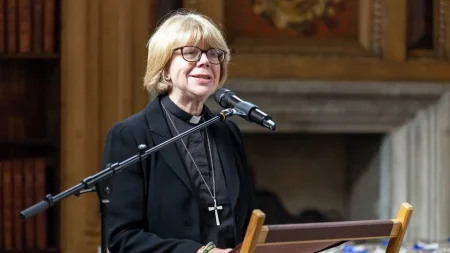
This spirit of dialogue, resilience, and respect was also central to Herzog’s tribute to the late U.S. Senator Lindsey Graham, whom he remembered as a fearless champion of Western democratic values and a loyal friend who was never afraid to speak hard truths. Herzog emphasized that this capacity for honest relationship-building is precisely what guides Israel’s commitment to protecting its own diverse population, particularly the Holy Land’s Christian communities, which have grown to over 184,000 citizens. Affirming that the safety and flourishing of these communities is a top priority of his presidency, Herzog detailed his regular consultations with global and local spiritual leaders, including the Pope and the Cardinal of Jerusalem. He pledged a policy of absolute zero tolerance toward any anti-Christian harassment or friction, contrasting Israel’s protective stance with the troubling displacement of Christian minorities in other parts of the Middle East, and reaffirmed his desire to build strong, enduring bridges of faith and cooperation with Christian communities worldwide.
Concluding on a note of accountability and future hope, Herzog addressed the controversies surrounding the International Criminal Court, leveling sharp criticism at dismissed Chief Prosecutor Karim Khan. Herzog asserted that Khan’s sudden decision to issue arrest warrants against top Israeli officials was a calculated, politically motivated attempt to distract the public from serious allegations of sexual misconduct targeting Khan himself. With those allegations now exposed, Herzog urged the international community to dismiss the warrants and refuse to let the court be used as a tool for personal deflection. Looking toward the horizon, Herzog expressed optimism for the U.S.-supported 20-point peace roadmap, which outlines a future for Gaza centered on the complete disarmament of Hamas and massive humanitarian reconstruction. Emphasizing that the people of Gaza deserve a life free from the grip of tyranny, Herzog insisted that the path to a lasting regional peace relies on ensuring that Gaza can never again be used as a launchpad for terror, allowing both Israelis and Palestinians to build a secure, cooperative future.