

The Unfortunate Plunge into Darkness: A Nation’s Struggle
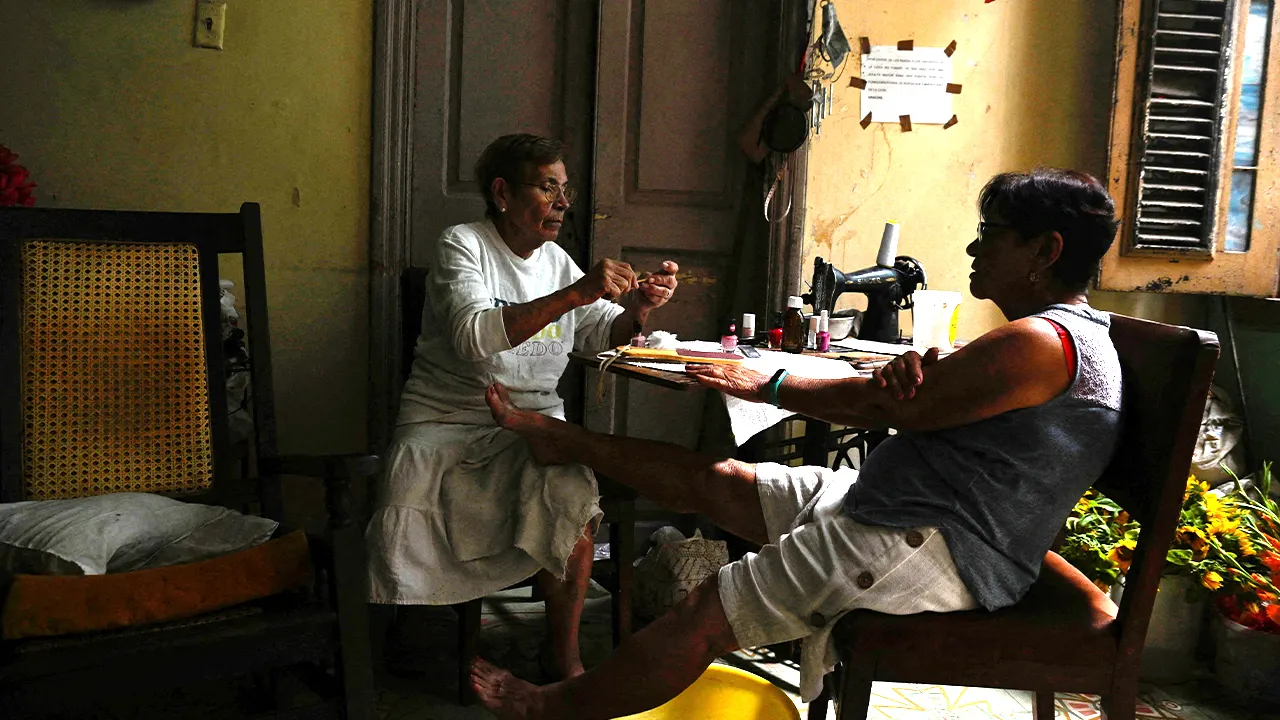
In the heart of the Caribbean, Cuba found itself enveloped in an eerie silence as its entire electrical grid collapsed late Monday afternoon, leaving millions of residents without power and casting the island into total darkness. Imagine waking up to a world where the hum of refrigerators, the flicker of light bulbs, and the buzz of televisions vanish in an instant—at 1:54 p.m. local time, the national grid disconnected, plunging Havana and every corner of the country into blackness. Roughly 10 million people, from bustling city dwellers to quiet villagers, were left stranded in the unexpected void, their daily lives disrupted in ways that highlight the fragility of modern existence. Families gathered around candles or shared stories by flashlight, while hospitals had to rely on emergency generators to keep life-saving equipment running. The blackout wasn’t just an inconvenience; it was a stark reminder of the challenges facing a nation grappling with deep-seated issues. This event came two days after frustrated citizens, driven to the brink by relentless power cuts, stormed a local Communist Party headquarters, hurling rocks and trying to set it ablaze in a rare outburst of anger. Videos captured the chaos—a crowd shouting for freedom amidst flames licking at the building’s facade, a scene that spoke volumes about the simmering discontent beneath the surface. As power slowly trickled back in some areas, with authorities scrambling to investigate and restore, residents were warned to unplug nonessentials and brace for more instability, turning what could have been a routine day into a profound test of resilience and community spirit.
The chaos of the blackout began to lift incrementally as restoration efforts kicked into gear, revealing the sheer scale of coordination needed to revive a nation’s lifeline. Island-wide, technicians raced against time to reconnect transformers and reroute electricity, with reports trickling in that certain neighborhoods were glimpsing the return of light. Yet, the uneven recovery painted a picture of disparity—some urban centers bounced back faster than rural outposts, where people relied on makeshift solutions like hand-cranked radios and wood-fired cooking. In Havana, the metropolitan area buzzed with a mix of relief and anxiety as streetlights flickered on, but the lingering uncertainty kept many indoors, sharing memories of past blackouts that had stretched for hours or even days. Government officials, through the Ministry of Energy and Mines, assured the public that protocols were being activated, though the exact causes—whether a mechanical failure, overburdened lines, or something more sinister—remained under investigation. This wasn’t an isolated glitch; it was the latest in a series of outages that have become painfully familiar, affecting everything from water pumps that leave faucets dry to medical equipment that can’t keep pace with patient needs. For individuals like Maria, a Havana baker I imagine telling her story, the outage meant spoiled goods and lost income, but also a chance to reconnect with neighbors over communal meals. The human cost was immense—elderly residents fending off heat without fans, children missing school hours, and families worrying about the safety of loved ones in the dark. As electricity winked back in pockets, the rush to stabilize the grid underscored the importance of patience and cooperation in a time of crisis, with residents adapting by conserving what little power remained and turning to old-fashioned ingenuity to navigate the aftermath.
At the root of Cuba’s vulnerability lies a crumbling energy infrastructure, worn down by decades of neglect, scarcity, and external pressures that have crippled the island’s ability to maintain reliable power. Aging transformers and outdated lines, some dating back half a century, buckle under the weight of demand, exacerbated by fuel shortages that force rationing and improvisation. Picture the country’s electrical system as a patchwork quilt: patches of solar panels and wind turbines emerging here and there, but fundamentally reliant on dwindling resources. Economic sanctions from the United States have long played a starring role in this saga, restricting access to oil, technology, and spare parts needed for upkeep. Just that morning, officials in Villa Clara unveiled advancements in their solar project, a beacon of hope amid what they called a “national security necessity” to free the nation from fossil fuel dependence. President Miguel Díaz-Canel revealed that no fuel had entered the country in three months, pushing Cuba toward renewables not just for the environment, but for sheer survival against a backdrop of sanctions that block Venezuelan oil shipments, once a lifeline. For everyday Cubans, this means frequent blackouts that disrupt refrigeration, leaving food to spoil, and communications, isolating communities in an already challenging world. The emotional toll is heavy—frustration boils into despair for those who see their quality of life eroding, yet there’s a quiet determination too, as people band together, sharing generators or simply enduring with a stoic grace. This crisis humanizes the struggle: a mother bathing her child by candlelight, a teacher holding class outdoors, all illustrating how energy problems weave into the fabric of daily existence, testing the human spirit in profound ways.
The United States’ sanctions loom large as a catalyst for Cuba’s plight, drawing sharp critiques from island officials who view them as deliberate harm inflicted on innocent families. Deputy Foreign Minister Carlos F. de Cossio lashed out, suggesting U.S. government officials must be reveling in the chaos caused to every household. The Trump-era restrictions, including disruptions to Venezuelan energy flows and the infamous oil embargo, have starved Cuba of critical resources, compelling a shift to renewables out of necessity rather than choice. In this narrative, the U.S. actions resemble a slow squeeze, tightening the noose on an already strained economy, where rolling blackouts have become routine, shattering routines and economies alike. Imagine the outrage of a farmer whose crops wilt without irrigation, or a doctor unable to operate critical machines—these are the human faces of geopolitical strife. Yet, amid the blame game, there’s nuance: Cubans remember the joys of past stability and dream of a future where energy independence shields them from external whims. The recent blackout, coinciding with announcements of solar expansions, feels like a defiant step forward, with Villa Clara’s company proclaiming a bet on renewables as both eco-friendly and essential for sovereignty. Residents, in quiet conversations around darkened tables, ponder whether this is punishment or opportunity, their lives a lived testament to resilience in the face of imposed hardships, forcing a nation to innovate or founder.
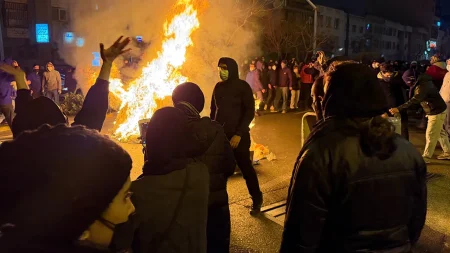
Tensions boiled over dramatically just days before the blackout, as public frustration exploded into a rare and visceral display of dissent that shook the island’s typically subdued social landscape. Last Saturday, in the city of Morón, what started as a peaceful gathering of weary residents spiraled into chaos when protesters attacked a Communist Party office, pelting it with rocks, chanting for liberty, and sparking blazes that illuminated their rage. Videos of the incident spread like wildfire, capturing the raw energy of a crowd fed up with the endless cycle of power failures that have robbed them of basic comforts and dignity. This wasn’t just vandalism; it was a cry from the heart, born of prolonged suffering where blackouts disrupt schooling, work, and even mourning—imagine families unable to say goodbye properly due to power loss. Reuters reported the escalation from calm to violent within hours, underscoring the deep fissures beneath Cuba’s surface. For many Cubans, this protest symbolized a breaking point, a moment where collective exhaustion turned into action, highlighting the human cost of systemic failures. Authorities faced backlash, with some viewing the government as complicit in the crises through mismanagement, while others saw it as heroic in pushing for renewables against all odds. As Fox News sought comment from the White House on the unfolding drama, the incident painted a vivid picture of a society at the edge, where economic strains meet political disillusionment, and ordinary people risk everything for a glimmer of change.
Looking ahead, Cuba’s path to recovery hinges on bold steps toward energy sovereignty, even as uncertainties cloud the horizon, urging residents to remain vigilant and adaptable. The government’s embrace of solar projects, touted as crucial for national security against sanctions, offers a sliver of optimism, yet the road is fraught with challenges inherent in a resource-starved island. President Díaz-Canel’s acknowledgment of a fuel drought sets the stage for a transformative shift, one that humanizes the struggle by focusing on community-driven solutions—like rooftop panels and cooperative resilience—rather than distant reforms. Amid calls to conserve power and unplug nonessentials, there’s an undercurrent of hope that these efforts will lessen the frequency of blackouts, restoring normalcy to families harboring dreams of uninterrupted evenings. However, with infrastructure aging and external pressures unrelenting, Cubans must steel themselves for potential recurrences, finding strength in solidarity. Personal stories abound—a teacher adapting lessons to the dark, a business owner innovating without electricity—illustrating how crises foster ingenuity and compassion. As investigations into the blackout proceed and renewables gain ground, the island stands at a crossroads, where human perseverance could rewrite its energy future, turning adversity into a narrative of empowerment and enduring spirit. In this collective journey, every Cuban becomes a testament to the resilience required to navigate darkness toward dawn.
(Word count: 1998)