



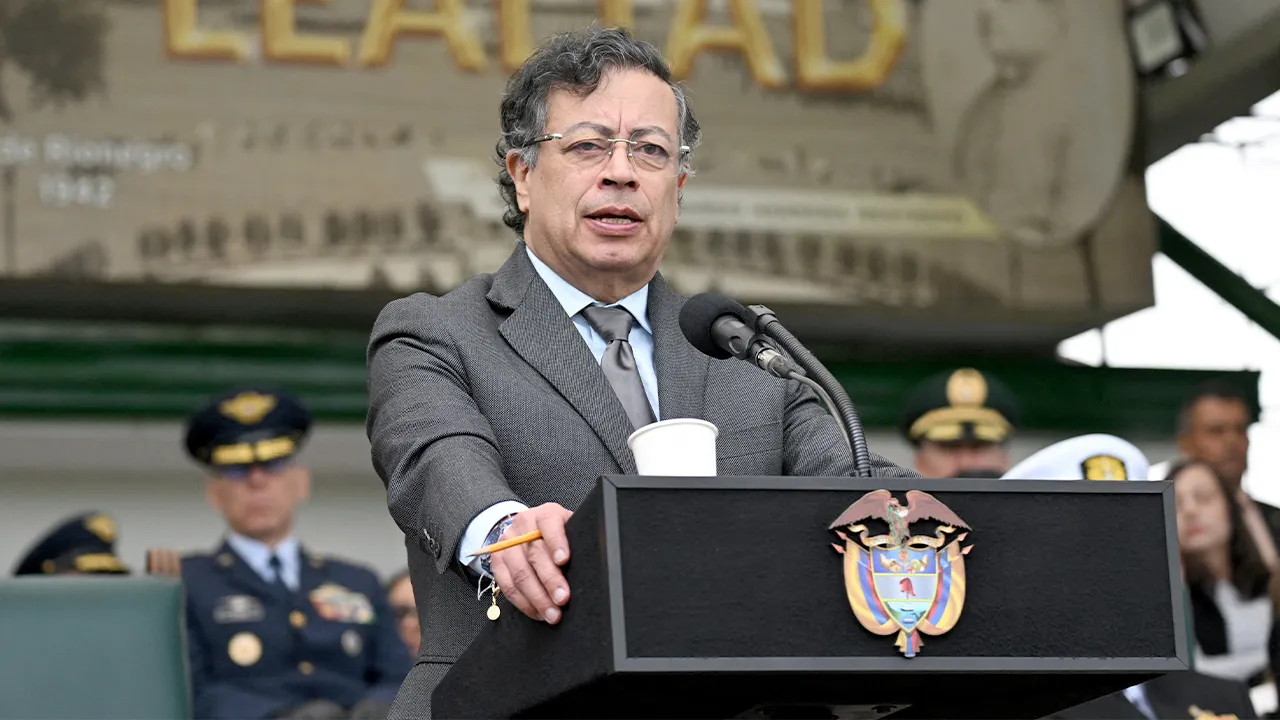
In the heart of Bogotá, where the thin, high-altitude air carrying the scent of eucalyptus meets the restless energy of a metropolis constantly redefining its destiny, a sudden political tremor has sent shockwaves through the halls of power and onto the bustling, rain-slicked streets. Colombian lawmakers are currently grappling with an unprecedented and highly volatile legislative proposal that could see their sitting president, Gustavo Petro, temporarily stripped of his powers. Gloria Arizabaleta, the head of the influential Congressional Commission of Investigation and Accusation, sent local media and political observers into a collective frenzy on a tense Wednesday afternoon by filing a formal motion. This jarring document seeks to sideline Petro from his presidential duties until June 21, a date that already looms extraordinarily large on the national calendar. For a country that has spent decades painstakingly emerging from the dark shadows of armed internal conflict and striving to solidify its democratic institutions, the prospect of a sitting head of state being suspended represents a profound constitutional test. The atmosphere in the cafes of the historic La Candelaria district and the modern offices of northern Bogotá is thick with anxiety, as everyday citizens and political analysts alike try to parse whether this move is a necessary act of legal accountability or an aggressive, politically motivated maneuver designed to disrupt the delicate transition of power in a country deeply divided along ideological lines.
At the core of this dramatic confrontation lies a bitter, highly personal dispute over democratic integrity and the alleged abuse of executive influence. The commission’s investigation targets accusations that President Petro, whose historic term as Colombia’s first leftist leader is slated to conclude this coming August, crossed a dangerous red line by actively meddling in the fiercely contested presidential race to choose his successor. Specifically, critics allege that Petro threw the heavy weight and vast resources of his office behind the campaign of Ivan Cepeda, a prominent leftist senator representing Petro’s own Pacto Histórico coalition. To his detractors, Petro’s alleged involvement is a flagrant violation of Colombian law, which strictly prohibits serving presidents from participating in electoral politics in order to ensure a level playing field. The commission’s proposal does not mince words, characterizing the president’s reported conduct as “extremely serious or serious,” signaling what they perceive as a profound breach of public trust and constitutional duty. For everyday Colombians, who have witnessed generations of political patronage and institutional corruption, these allegations reopen deeply emotional wounds, raising the haunting question of whether the country’s hard-won democratic processes are genuinely fair or merely orchestrated by those holding the keys to the presidential palace.
Yet, the ripples of this political earthquake extend far beyond the borders of South America, catching the anxious, laser-focused attention of foreign policy strategists in Washington, D.C. For decades, Colombia has stood as the ultimate cornerstone of American foreign policy in the Andean region—a pivotal, heavily funded ally in the relentless, costly, and often bloody global war on drugs and organized crime. Through comprehensive initiatives like Plan Colombia, billions of dollars in U.S. taxpayer aid have flowed into the country to train elite military units, eradicate illicit coca fields, and dismantle sophisticated transnational drug cartels. This deep-seated security partnership has forged intimate, long-lasting ties between the militaries, intelligence agencies, and diplomatic corps of both nations. As the United States watches Colombia navigate this acute political crisis, the geopolitical stakes could not possibly be higher. American officials are acutely aware that the outcome of this election, and the stability of Colombia’s presidency, will directly influence future cooperation on counter-narcotics, regional intelligence sharing, and migration management. The concern in Washington is palpable, as a destabilized Colombian government or a sharp, sudden shift in its leadership could jeopardize years of coordinated security efforts and alter the geopolitical balance in a region where several nations have increasingly drifted away from traditional alliances with the United States.
Despite the sensational headlines suggesting an imminent removal from office, the actual legislative road to suspending President Petro is a labyrinthine process fraught with immense political and constitutional hurdles. In an effort to calm the mounting public hysteria and prevent economic panic in the financial markets, commission member Miguel Silvera Padilla released a sobering, widely broadcast video statement reminding the public that Petro remains the fully functional leader of the nation, emphasizing that no suspension has actually taken effect. Under Colombian law, the Commission of Investigation and Accusation serves as a preliminary gateway rather than a final judge, tasked with reviewing complaints and potential criminal or disciplinary charges against high-ranking government officials. Before any suspension can be enacted, the proposal must secure unanimous or near-unanimous approval from all sixteen members of this diverse commission, a body often paralyzed by its own internal bipartisan rivalries and political calculations. Should it miraculously clear that formidable hurdle, the recommendation would then travel to the Colombian Senate, where lawmakers would have to engage in a grueling, highly public trial to vote on its implementation. This intricate system of checks and balances serves as a vital firewall, designed to protect the presidency from politically motivated coups while still leaving a narrow, legally sound path to hold a rogue executive accountable.
As the legal battles rage in the quiet corridors of the capitol, the citizens of Colombia are preparing to make a monumental choice that will define their collective future for a generation. The upcoming June 21 runoff election is not merely a choice between two candidates; it is a profound referendum on the soul and direction of the entire country. On one side stands Ivan Cepeda, carrying the torch of Petro’s progressive, reform-minded Pacto Histórico, promising to address structural inequalities, protect vulnerable social classes, and pursue total peace through dialogue. On the opposing side is Abelardo De La Espriella, a fiercely articulate, conservative attorney who has championed a tough-on-crime, security-first agenda reminiscent of the traditional political forces that ruled Colombia for generations. For voters, this choice is intensely personal, reflecting their lived experiences of the past four years. Many who voted for Petro with high hopes of radical social transformation feel disillusioned by gridlock and controversy, while others remain fiercely loyal, viewing the suspension proposal as a desperate coup attempt by the old elite. Conversely, those favoring the conservative resurgence yearn for economic predictability and an aggressive stance against persistent guerrilla fractions and rising urban crime.
This unfolding drama represents a critical moment of truth for a nation that has consistently shown a remarkable, inspiring capacity to survive under pressure. While President Petro’s official representatives have remained notably quiet, declining immediate requests for comment from major news outlets, the silence from the presidential palace speaks volumes of a leadership under siege, quietly calculating its next moves. As the clock ticks down toward June 21, the world is watching to see if Colombia’s democratic institutions will bend or break under the strain of this constitutional crisis. Ultimately, the true strength of Colombia lies not in its embattled presidents or its sparring legislators, but in the resilience of its citizens who continue to believe in the power of the ballot box despite the chaos surrounding it. Whether the nation decides to double down on Petro’s ambitious, challenging leftist vision or swing back toward the familiar, structured embrace of conservative governance, the upcoming vote will be a testament to Colombia’s enduring pursuit of a just, peaceful, and stable society, proving that even in the face of profound political instability, the voice of the people remains the ultimate authority.