



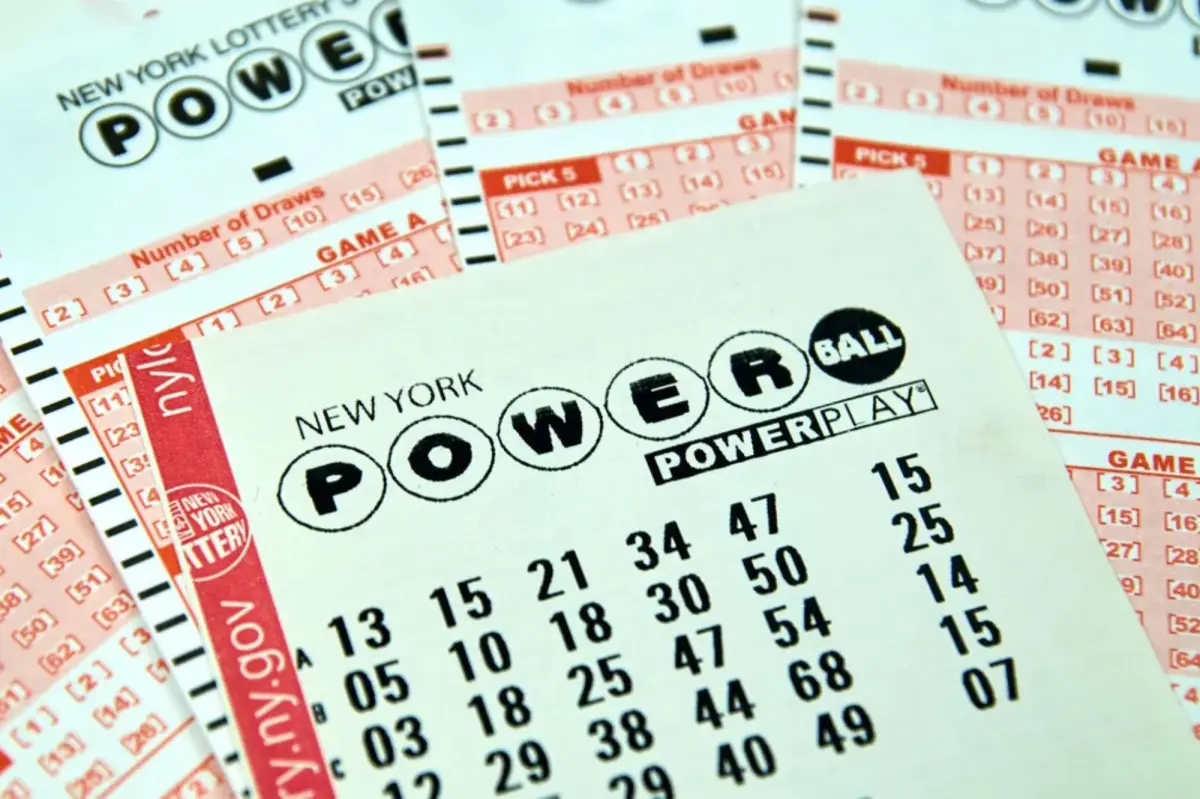
In the quiet, unassuming heart of the American Midwest, a life was irrevocably altered on a seemingly ordinary Wednesday evening. The Land of Lincoln, a state known for its rolling prairies and towering political legacies, suddenly produced a story of astronomical fortune that captures the imagination of dreamers everywhere. A single Powerball ticket, purchased at a modest gas station convenience store in the small city of Quincy, Illinois, matched the elusive combination of 4, 26, 66, 67, 69 and the red Powerball 9, claiming a staggering jackpot of $1.04 billion. This monumental win, the largest Powerball grand prize of the year, broke a tense 44-drawing dry spell that had seen anticipation build to a fever pitch across the nation. For the anonymous ticket holder, the world changed in the blink of an eye, transforming a routine stop for gas or a quick snack into the purchase of a lifetime. The sheer scale of the win—billionaire status—is almost incomprehensible, turning the winner into an instant member of an exclusive club defined not by pedigree or profession, but by the sheer, blind-unlucky randomness of probability.
While the headlines scream “Billionaire,” the true reality of this windfall lies in the intricate and often dizzying mathematics of such a payout. The winner is faced with a monumental, life-altering choice: to accept the full $1 billion paid out as an annuity over three decades, or to take a significantly smaller yet still astronomical one-time cash payment of $450.5 million before taxes. The decision is far more complex than simply choosing a larger number; it is a choice between a guaranteed, steady stream of wealth that can cushion a lifetime of spending or an immediate fortune that allows for total control and deployment of capital, albeit with massive immediate tax consequences. The government will take its substantial cut, with a mandatory 24 percent federal withholding tax, an additional 13 percent in federal taxes, and a 4.95 percent tax withholding from the state of Illinois. This means the winner will see a significant portion of that cash option evaporate into the treasury, yet even after taxes, the take-home is still well over $300 million—a sum that would place the winner in the top percentile of American wealth indefinitely, a dizzying change from the anonymity of their previous likely financial reality. The choice between the annuity and the lump sum becomes a psychological battleground, pitting the fear of running out of money against the desire for absolute, immediate financial freedom.
But beyond the stark numbers and tax brackets lies the deeply human story unfolding at the point of sale: the Hy-Vee Gas Fresh & Fast convenience store in Quincy. For the employees behind the counter, it started as just another shift, a blur of coffee refills, customer pleasantries, and electronic beeps scanning countless lottery tickets. Then the news broke. The store, a mundane landmark of everyday commerce, was suddenly catapulted into the national spotlight, becoming a magnet for reporters, curious locals, and aspiring gamblers hoping to catch a sliver of the same luck. Imagine the clerk who processed the transaction, unaware they were handing over a golden ticket worth a billion dollars. The idea is both thrilling and melancholic. The community of Quincy, a modest city of about 40,000 people on the Mississippi River, now holds a strange, shared celebrity, a collective breath of disbelief and vicarious excitement. The winner could be a neighbor, a co-worker, or a stranger passing through, and the store’s sudden fame serves as a poignant reminder that life’s most profound changes often begin in the most prosaic of places, during the most unremarkable of moments.
This historic win does not exist in a vacuum; it joins a rich tapestry of similar lottery legends that have shaped the national psyche. It stands as the eighth-largest jackpot in Powerball history, surpassing the $842.4 million won on New Year’s Day in 2024 by a Michigan group known as “The Breakfast Club,” who wisely or unwisely chose the $425.2 million cash sum. It also echoes the state’s own lottery history, marking the third time an Illinois resident has claimed the grand prize, with the previous win occurring in 2013 when Ted Baumgartner of Freeport took home a comparatively modest $50 million. Globally, it pales only to the colossal $1.82 billion win by Tracy Hartwick in Arkansas on Christmas Eve—a jackpot that carried a unique human twist when Hartwick’s identity became public knowledge due to his being the sibling of a local mayor, a legal exception that lifted his veil of anonymity. These stories serve as folklore, warning fables and aspirational tales all rolled into one, reminding us that the lottery creates its own unique pantheon of heroes and hermits, all bound together by the impossible odds of 1 in 292,201,338, yet each navigating their own bizarre new reality in isolation or under the harsh glare of the public eye.
The sudden acquisition of such immense wealth is a profoundly psychological event, one that textbooks on personal finance rarely capture. The lucky winner, still unnamed, now faces the perplexing challenge of managing a fortune that dwarfs the GDP of small nations. Anonymity becomes their most valuable possession, shielding them from the deluge of solicitations, fraudulent schemes, long-lost relatives, and relentless media scrutiny that inevitably follows such announcements. The aura of secrecy offers a strange, protective cocoon, allowing them a brief respite before they must decide how to interact with their own life-changing luck. Family dynamics will shift, friendships will be tested, and the ordinary anxieties of daily life—paying bills, planning a retirement—vanish, replaced by a novel set of burdens: how to preserve wealth across generations, how to invest responsibly, how to say no to countless requests for help, and how to find a new sense of purpose when the financial rat race is no longer a motivation. The winning ticket is not just an end to financial worry; it is the beginning of a complex negotiation with identity, purpose, and the very definition of a successful life.
Ultimately, the $1.04 billion Illinois jackpot is far more than a story about money; it is a profound meditation on hope, chance, and the enduring human spirit. In a world often defined by routine and predictability, the lottery represents a singular point of flexibility, a tiny, purchasable crack in the concrete wall of statistics where pure destiny steps in. Wednesday night, a long national dry spell broke, not with a bang, but with the beeping of a scanner at a gas pump. For those who bought a ticket and lost, nothing changes; they will return to work and their daily lives, their $2 or $10 investment evaporating into a dream. But for one person, the wait is over. They have navigated the astronomical odds—a chance slimmer than being struck by lightning—to emerge victorious. As the winner contemplates their next moves, surrounded by lawyers and financial advisors, the rest of the country can’t help but look on with a mixture of envy, curiosity, and a hopeful wish that, in their case, the money brings not just comfort, but genuine happiness. In this single, abstract moment of fortune, the lottery reminds us that despite all the terrible math and the overwhelming probability of failure, the universe still occasionally conspires to hand a stranger a miracle. The ticket is now just a scrap of paper with faded numbers, but the story it ignited will ripple through the small town of Quincy and the national consciousness for years to come, a testament to the exhilarating, life-altering power of a one-in-a-billion shot.