





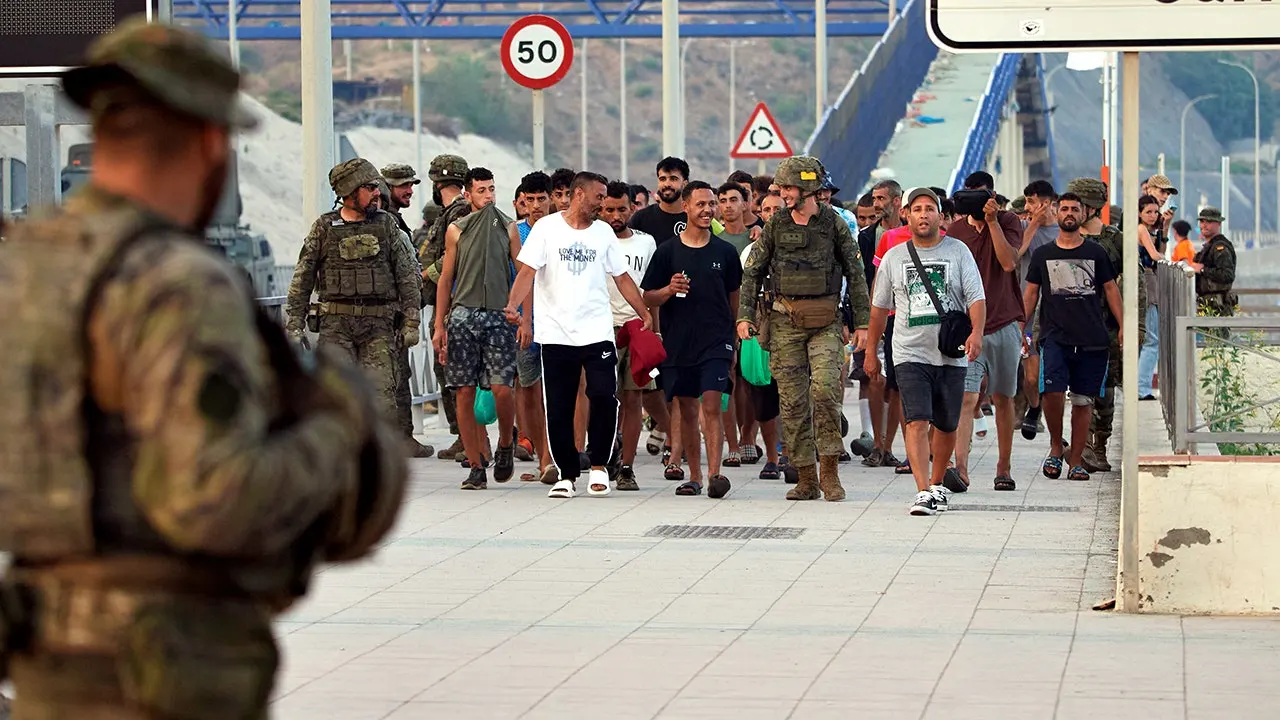
The sea off the coast of Ceuta, a tiny Spanish enclave clinging to the northern tip of Morocco, has once again become a graveyard of broken dreams and lost lives. At least seventy-two migrants are confirmed dead, their lives cut short in a desperate, chaotic rush to cross the maritime border into Europe. The waters, which usually serve as a scenic backdrop to the bustling port city, became a scene of absolute horror as between fifty and sixty thousand hopeful souls, predominantly young men driven by the promise of a secure future, attempted to navigate the treacherous breakwater barriers. Many drowned in the unforgiving currents, while others were tragically crushed to death in the suffocating stampedes that erupted along the narrow shoreline as panic took hold. Over the weekend, the somber silence of the Mediterranean was broken only by the hum of Spanish rescue vessels searching the waves for more victims, a grim reminder of the immense human cost that underlies Europe’s ongoing border crises. Each body recovered represents a shattered family, a story abruptly ended, and a stark indictment of a system that forces the desperate to risk everything for a chance at survival.
This unprecedented surge of humanity temporarily transformed the daily life of Ceuta, an enclave with a permanent population of only eighty-four thousand residents. In the span of just a few days, the city’s population swelled by more than half, filling the streets, plazas, and public spaces with thousands of weary travelers who had left everything behind. The sheer scale of the arrival overwhelmed local infrastructure, leaving authorities and humanitarian organizations scrambling to provide basic shelter, food, and medical care. While some of the migrants, realizing the impossibility of their situation, voluntarily turned back toward the Moroccan border by the end of the weekend, thousands of others remained. These individuals now find themselves in a state of agonizing limbo, hiding in the shadows of the city, avoiding police patrols, and clinging to the hope that they will not be deported back to the hardships they so desperately sought to escape. The crisis has laid bare the stark economic divide between the European Union and North Africa, showcasing the lengths to which human beings will go when they feel they have nothing left to lose.
Amid the geopolitical maneuvering and statistical reporting, it is the voices of the local residents that bring the true human tragedy of this event into sharp focus. Karima Abenaz, a French national visiting family in Ceuta, expressed a profound, heart-wrenching sorrow that echoes through the community. She spoke of her deep pain at seeing young people perish at sea, questioning how, in the year 2026, mothers with babies as young as two months old are put in positions where they must brave the deadly waters only to meet a tragic end. Abenaz argued passionately that while Morocco possesses resources, the lack of decent jobs and basic rights should be fought for at home through strikes and civic demands rather than through deadly ocean crossings. Her sentiments were mirrored by Mohamad Abdelkader Driss, a local waiter who insisted that the blame should not lie with the desperate young men who rushed the border, but with the authorities who allowed the borders to be opened in the first place. These intimate perspectives highlight a community torn between empathy for the suffering of their neighbors and frustration with the systemic failures of the governments meant to protect them.
The tragedy has also shaken the very cultural foundation of Ceuta, a city that has long prided itself on being a shining example of peaceful coexistence. For generations, Christian, Muslim, Jewish, and Hindu communities have lived side-by-side in this Spanish outpost, fostering a unique, multicultural identity built on mutual respect and shared space. However, the sudden influx and the harrowing loss of life have introduced an undercurrent of anxiety and fear, leaving many to wonder if this delicate social fabric can survive the strain of repeated border crises. Residents are now grappling with deep-seated concerns about security, public safety, and the unsettling predictability of future mass crossings. The fear is not of the migrants themselves as individuals, but of the volatile situations that arise when tens of thousands of desperate people are funneled into a highly militarized, confined space, threatening to turn their peaceful home into a perpetual flashpoint of international conflict.
Unsurprisingly, the disaster has ignited a fierce political firestorm that stretches far beyond the borders of Ceuta, reverberating through Madrid and Brussels. Far-right and nationalist political figures have seized upon the crisis to demand militarized borders, immediate deportations, and a complete overhaul of Europe’s open-border systems. Santiago Abascal, the leader of Spain’s right-wing Vox party, visited the enclave to condemn the national government, labeling the migrant influx a coordinated “invasion” and accusing Spanish leaders of failing in their most fundamental duty to protect the country’s sovereign borders. The political volatility was palpable on the streets of Ceuta, where European Parliament member Alvise Pérez was met with angry counterprotesters during a rally, forcing him to seek refuge in a local bar under heavy police escort. This polarization demonstrates how quickly human suffering can be co-opted into political theater, turning a humanitarian emergency into a battleground of ideology where empathy is often the first casualty.
As the dust begins to settle, the international community is left to reckon with the wider implications of the Ceuta tragedy, which has already prompted swift diplomatic and security reactions worldwide. Pointing to the unpredictable and dangerous security environment caused by the massive and uncontrolled arrivals, the United States State Department raised its travel advisory for Ceuta to Level 3, warning its citizens to reconsider travel to the area. Meanwhile, the Spanish government’s deployment of military forces to secure the border has drawn criticism from international observers and sparked tensions with allies, including a sharp rebuke from the White House after Spain’s emergency assistance requests were denied. This disaster serves as a grim reminder that walls and naval blockades cannot easily deter the human drive for safety and dignity. Until the global community addresses the root causes of migration—poverty, political instability, and lack of opportunity—the shores of Ceuta and the cold waters of the Mediterranean will continue to bear witness to the desperate struggles of those who risk everything in search of a better life.