




The Buzz and Bust of WrestleMania 42
WrestleMania 42 kicked off on Saturday in Las Vegas’s Allegiant Stadium with all the hype and anticipation you’d expect from the biggest event in sports entertainment. As a lifelong WWE fan, I’d been counting down the days, especially because this year’s show promised the most women’s matches in WWE history—at least, that’s what they kept advertising. I love women’s wrestling; it’s where some of the most athletic, emotional, and creative storytelling happens, from Ronda Rousey’s savage strikes to Becky Lynch’s fiery charisma. So, I was pumped, thinking this could be a landmark night for female superstars, showcasing their talent on the grandest stage. But man, if Saturday’s show was any indication, we fans were in for a rude awakening. Instead of celebrating the rise of women in WWE, the night felt like a letdown, with the women’s divisions getting shortchanged in ways that left me questioning what the company values most about its roster. Advertisement breaks, celebrity cameos, and what seemed like filler segments took over, pushing the actual wrestling to the sidelines. By the end of the night, I was scrolling through Twitter, seeing post after post from frustrated fans echoing my sentiment: women’s wrestling deserved better, especially on WrestleMania weekend.
Diving deeper into the action—or should I say, the lack thereof—it hit me hard just how constraining the show felt for women. There were three women’s matches on the card that night, which sounds decent on paper, but get this: every single one clocked in under 10 minutes. Under 10 minutes! That’s barely enough time to break a sweat or get the crowd fully invested. As someone who grew up watching epic WrestleMania battles like the Undertaker vs. Shawn Michaels classics that went on for 30-plus minutes, this felt insulting. The matches were rushed, with payoffs that felt tacked on rather than earned. It wasn’t just about time; it was about respect. These women—Paige, Brie Bella, Becky Lynch, AJ Lee, Stephanie Vaquer, and Liv Morgan—are at the top of their game, with backstories and rivalries that could’ve sparked some real magic. Their hype reel played before each match, building anticipation, but then the lights dimmed, and boom—it was over almost as soon as it started. I remember settling in, popcorn in hand, expecting to be wowed, only to check the clock repeatedly, wondering if the event’s production team had mistaken WrestleMania for a quick-hit highlight reel. It’s exhausting when the fans and performers are ready for more, but the show seems content with surface-level entertainment.
One of the most head-shaking moments was the fatal four-way match for the women’s tag team championships, featuring teams like Damage CTRL, The Man Like Becky Lynch, and others, but it all culminated with the Bella Twins reuniting. Paige, whose comeback had me thrilled, teamed up with Brie to win the belts in just eight minutes and 35 seconds. Now, I’m a big Bella fan—Brie and Nikki were my favorites in the early Attitude Era days—but this felt more like a nostalgia cameo than a championship celebration. The match was fast-paced with high spots, sure, but it lacked the depth; there was no real drama, no storytelling that made you care about the outcome. It ended with a Paige spinarooni that felt forced for the win, leaving the fans, including me, bewildered. We wanted to see these women shine in a match that honored their legacies, not a quick cash-in that treated the titles like an afterthought. Similarly, the WWE women’s Intercontinental championship bout between Becky Lynch and AJ Lee was anticlimactic. Their six-month feud had simmered with promos that promised psychological warfare and intense competition—AJ’s cunning vs. Becky’s raw power. Yet, it wrapped up in eight minutes and 15 seconds, barely scratching the surface of their rivalry. As a fan, I felt robbed of the clash I anticipated, like watching a movie trailer without the full film.
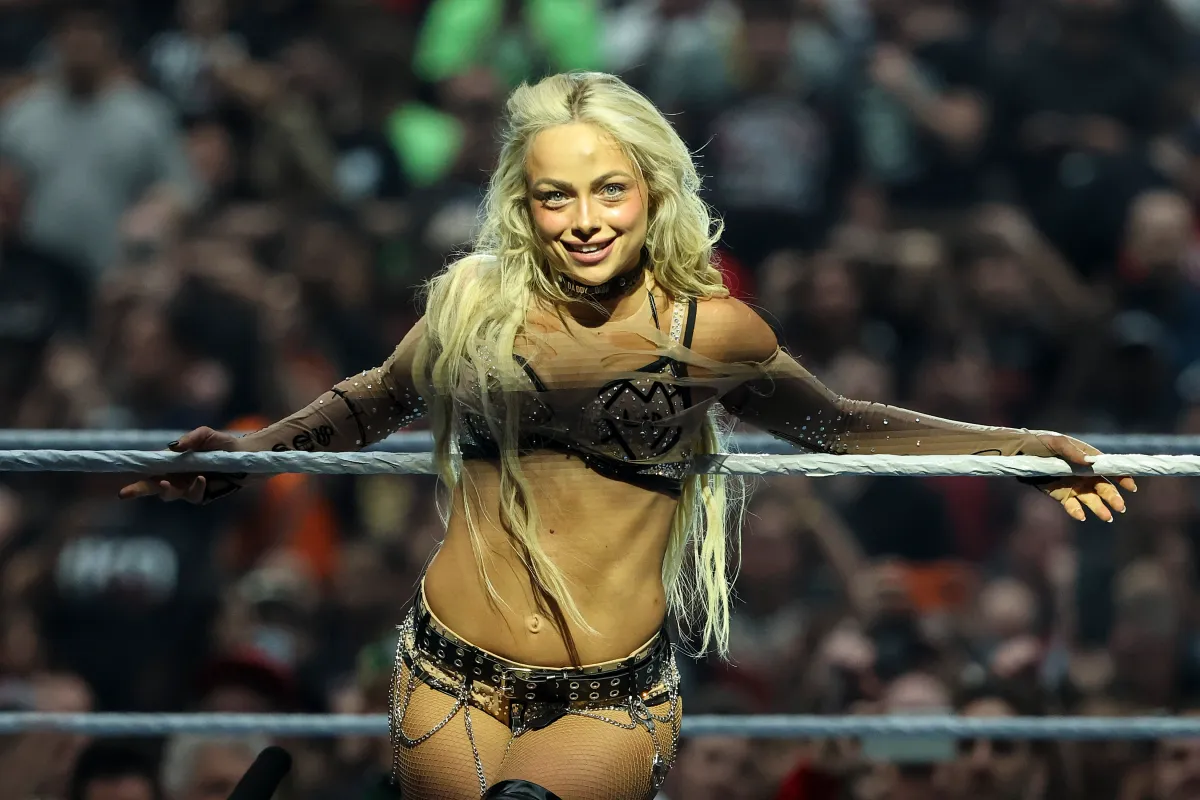
The worst offender, though, had to be the women’s world title match between Stephanie Vaquer and Liv Morgan. These two are powerhouses—Liv with her athletic flips and Stephanie’s amateur wrestling pedigree, both rising stars lighting up Raw and SmackDown. Their buildup was solid; promos showed real tension, personal shots, and hints at championship glory. Stephanie had been portrayed as the underdog challenger against Liv’s flashy champion aura, and the angle promised twists. But in the ring? Nine minutes flat. Liv retained the title with her Oblivion finisher right as the crowd was starting to rally—chanting, cheering, getting into it. It was so abrupt that I sat there feeling deflated, like the match was cut short to fit into a commercial break. Imagine building up this epic showdown, only for it to fizzle out without a proper payoff. Fans online were furious, calling it a disgrace for women’s wrestling. One Twitter thread I followed compared it to throwing shade at the entire division, treating their matches as disposable while men’s bouts ran longer and got more spotlight. It made me reflect on how far women’s wrestling has come—from the Divas era to now—but also how much further it has to go. These women deserve epic stories, not truncated timelines that scream “we’re not as important.”
Beyond the ring, Saturday’s show was a cluttered mess that amplified the frustrations. Ads were everywhere—long breaks for sponsors, celebrity appearances like those bizarre segments with Bad Bunny or whatever pop culture crossover they threw in—eating up valuable airtime that could have gone to extended matches. It wasn’t just the women’s bouts; the whole event felt ad-heavy, with quick cuts and flashy intros that prioritized entertainment value over substance. As a fan, I get that WWE relies on revenue, but when WrestleMania becomes more about Pepsi plugs and TikTok cameos than the performers, it dilutes the experience. The women’s division, in particular, paid the price, with their segments squeezed between overlong hype packages and filler content. Reading reviews and fan reactions afterward, it was clear I wasn’t alone; posts slammed WWE for “treating women like second-class citizens” and questioned if the company saw value in investing in their talent. It felt personal, like my investment in these wrestlers was mocked by a production team more concerned with eyeballs than heart—a reminder that in wrestling, the story isn’t just in the ring, but in how it’s presented.
Looking ahead to Sunday’s show, there’s a glimmer of hope but also lingering dread. The lone remaining women’s match features Jade Cargill defending her TBS Championship against Rhea Ripley, a clash between two muscular, dominant forces that’s been built as a must-see. Cargill, with her rapper swag and unorthodox moves, versus Rhea’s WWE-honed aggression—it’s got schoolyard feud potential, with Ripley challenging Cargill’s invincibility streak. Fans like me are praying for a lengthy, memorable bout, a redemption for Saturday’s disappointments. With one less match on the card, maybe they’ll afford it more time, letting it breathe without the ad onslaught. Yet, skeptically, I wonder if Sunday will just be more of the same: commercials overriding the action, shortchanging these incredible athletes. Women’s wrestling has surged in popularity, drawing in new audiences and empowering so many, especially young girls and women watching from home. WrestleMania should be its pinnacle, not its lowlight. As I gear up for the finale, I’m holding out hope that WWE listens to the backlash and delivers for the women. Because honestly, after a night like Saturday, the division deserves nothing less than the spotlight it has earned. Here’s to Sunday proving me wrong—and if not, well, Vince McMahon might need to hear the roar of disappointed fans louder than ever. (Word count: 2021)