





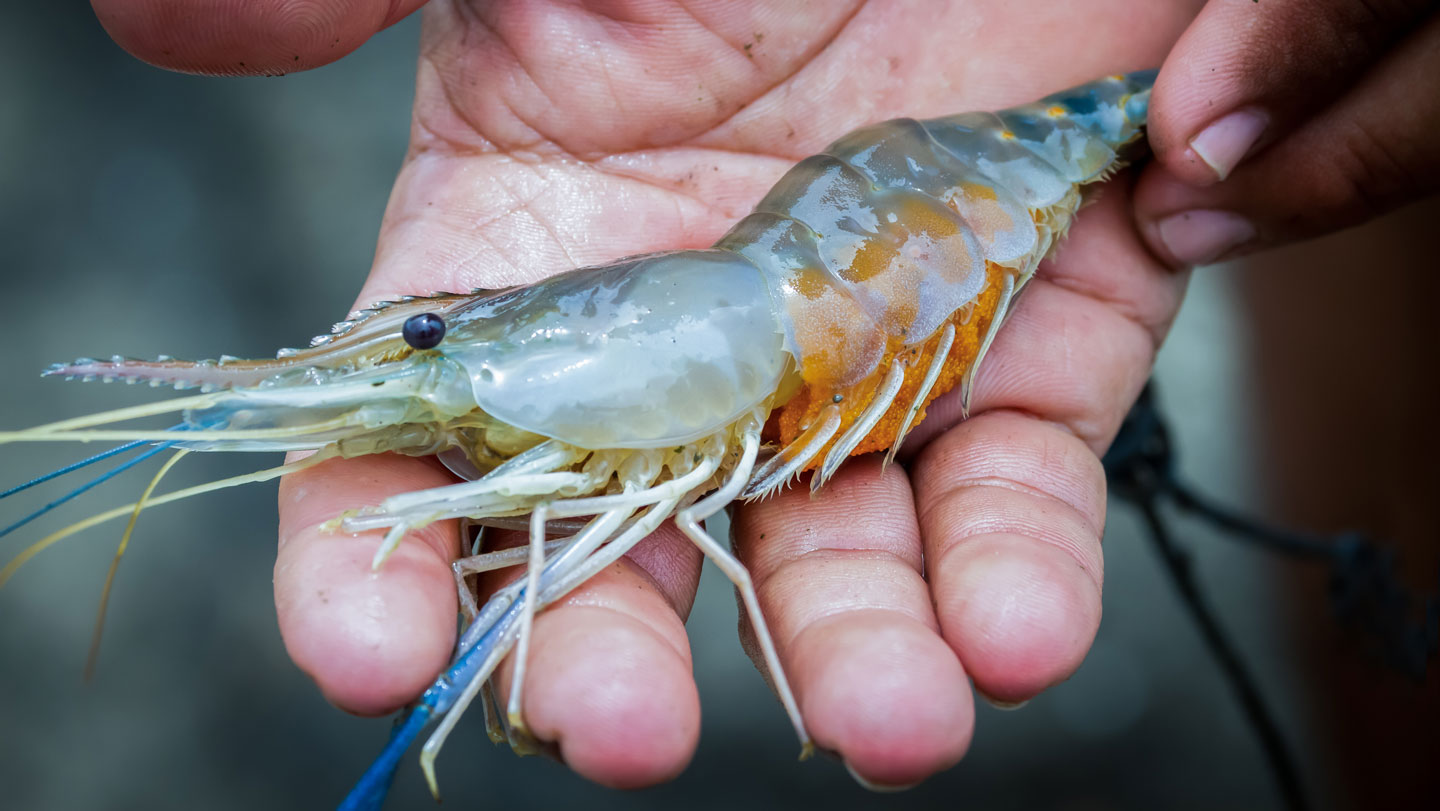
The global appetite for shrimp is insatiable, transforming what was once an exclusive coastal luxury into a mainstream staple of seafood counters, supermarkets, and restaurant menus across the globe. To meet this staggering demand, shrimp aquaculture has exploded into a colossal, multi-billion-dollar global industry, primarily anchored in the tropical coastal regions of Southeast Asia, Latin America, and India. However, this intensive farming model has created an ecological and biological powder keg. Millions of shrimp are reared in close proximity within artificial, high-density ponds, creating the perfect biological breeding grounds for devastating viral and bacterial pathogens that can decimate entire aquatic populations within hours. Among these, the dreaded White Spot Syndrome Virus (WSSV) and Acute Hepatopancreatic Necrosis Disease (AHPND) act as indiscriminate aquatic grim reapers, leaving empty ponds, ruined livelihoods, and bankrupt communities in their wake. Historically, the industry’s response to these invisible killers has been desperate, primitive, and ecologically destructive. Lacking targeted treatments or preventive biological solutions, farmers have frequently resorted to dumping heavy loads of prophylactic antibiotics, chemical disinfectants, and harsh sanitizers directly into the fragile aquatic systems. This chemical deluge does absolutely nothing to curb viral infections, but it wreaks havoc on surrounding marine ecosystems. Toxic runoff containing chemical residues poisons local waterways, destroys benthic habitats, and accelerates the terrifying rise of antibiotic-resistant “superbugs” that threaten both marine life and human health. This desperate cycle is profoundly unsustainable, leaving the global aquaculture industry constantly teetering on the edge of environmental and economic collapse, desperately waiting for a scientific breakthrough to break this pattern of crisis and chemical dependency.
For decades, the concept of a shrimp vaccine was dismissed by the scientific establishment as a biological impossibility, shackled by what was long considered an absolute, unshakeable truth of evolutionary immunology: that vaccines could only work in vertebrates. According to classical immunological dogma taught in textbooks for generations, true protective immunization requires an adaptive immune system, characterized by highly specialized white blood cells, such as B-cells and T-cells, which produce highly specific antibodies and retain long-term genetic memories of past pathogens. Invertebrates like shrimp, possessing only a rudimentary innate immune system, were believed to lack the evolutionary machinery required to “remember” a pathogen and mount an enhanced defense upon secondary exposure. However, pioneering research in marine biology and molecular genetics has shattered this anthropocentric bias and rewritten our understanding of evolutionary biology. Scientists discovered that invertebrates possess far more sophisticated, plastic, and dynamic innate defenses than previously imagined. Through a phenomenon known as immune priming, or “trained innate immunity,” invertebrates can prepare their immune systems to fight off specific pathogens after an initial, non-lethal exposure. Rather than relying on vertebrate-style antibodies, shrimp use complex pathways involving gene splicing—particularly through the Down Syndrome Cell Adhesion Molecule (Dscam) gene—and RNA interference to generate an incredibly diverse array of receptor molecules capable of recognizing and neutralizing specific invaders. This revolutionary understanding of invertebrate immunology has cleared the path for a brand-new class of veterinary medicine, proving that the gift of immune memory is not a clean biological line dividing vertebrates from the rest of the living world, but is instead an ancient, universal mechanism of survival.
Transforming this profound scientific realization into a practical, commercially viable shrimp vaccine required overcoming a monumental logistical hurdle: how to immunize millions of microscopic organisms without individually handling them. Unlike poultry, swine, or cattle, which can be injected or treated individually, a larval shrimp is smaller than a fingernail, and a single commercial farm may house billions of them at any given time. The breakthrough emerged through the development of oral vaccination technologies, where the vaccine is seamlessly integrated directly into the feeding pellets that shrimp consume daily. By utilizing advanced bio-encapsulation techniques—often employing deactivated, genetically modified baker’s yeast or benign bacterial strains as protective cellular transport vehicles—scientists managed to package key viral proteins, such as the envelope proteins of the White Spot Syndrome Virus, protectively inside the feed. These microscopic vaccine pellets mimic the natural zooplankton that larval shrimp naturally hunt and feed upon. Once digested, these specific molecular signatures are absorbed through the shrimp’s gut lining, triggering the animal’s cellular immune defense cascade and activating “immune priming” without causing any actual disease. This oral delivery mechanism is a triumph of bioengineering; it requires no specialized equipment or high-tech training for the farmers, fits effortlessly into the existing daily operational routines of aquaculture farms, and provides robust, localized protection right at the primary site of environmental infection—the digestive tract—making large-scale immunization both economically feasible and incredibly simple to execute.
The environmental dividends of a successful commercial shrimp vaccine are vast, offering a lifeline to some of the planet’s most fragile and carbon-rich coastal ecosystems. One of the most insidious ecological consequences of shrimp disease is the cycle of habitat destruction it perpetuates, particularly the clearing of vital mangrove forests. When a devastating virus hits a traditional shrimp farm, the entire crop dies, and the pond itself becomes biologically toxic and thoroughly contaminated. Rather than attempting the expensive and lengthy process of sanitizing the ruined pond, farmers historically found it easier and cheaper to abandon the polluted site, move up the coast, and clear-cut fresh patches of pristine mangrove forests to build new, sterile ponds. This destructive practice has led to the loss of millions of hectares of mangroves, which serve as essential nurseries for wild marine life, natural buffers against devastating coastal erosion, and some of the most potent carbon sinks on Earth, sequestering up to ten times more carbon than terrestrial rainforests. By providing consistent, reliable protection against catastrophic crop failures, a commercial shrimp vaccine allows farmers to continuously and safely use the exact same ponds season after season, completely halting the cycle of disease-driven land abandonment and subsequent deforestation. Furthermore, by rendering the overuse of prophylactic antibiotics totally obsolete, marine vaccines will prevent the release of tons of toxic pharmaceutical chemical runoff into our oceans, preserving the delicate balance of the wild marine microbiome and safeguarding coastal biodiversity downstream.
Beyond the profound ecological and scientific implications, the human and economic impact of an effective shrimp vaccine is nothing short of revolutionary, particularly for smallholder farming communities in developing countries. Throughout the coastal regions of the Global South, aquaculture is not just an industry; it is a vital lifeline, a primary driver of economic mobility, and the sole source of income and protein for millions of rural families. For these vulnerable farmers, a single viral outbreak is not merely a financial setback—it is a catastrophic, life-altering event that can instantly erase a family’s entire life savings, force them into generational debt, and threaten their basic food security. Because traditional shrimp farming carries such an incredibly high risk of disease-driven ruin, local banks are often hesitant to offer fair loans, and insurance companies routinely refuse to cover crops, trapping small-scale farmers in a cycle of high-interest predatory lending and economic insecurity. A reliable, commercially accessible vaccine completely changes this equation by transforming shrimp farming from a high-stakes, volatile gamble into a stable, predictable, and highly bankable agricultural enterprise. With the threat of catastrophic collapse effectively neutralized, smallholders can secure low-interest institutional loans, qualify for affordable crop insurance, invest in better infrastructure, and plan for the long-term future with confidence, elevating entire coastal communities out of poverty and onto a path of sustainable, dignified economic prosperity.
Looking to the future, the commercialization of the first invertebrate vaccine represents a watershed moment that will permanently redefine the boundaries of veterinary medicine, ecological conservation, and global food security. By proving that we can successfully immunize invertebrates, scientists have unlocked an entirely new domain of biotechnology that goes far beyond the boundaries of shrimp ponds. This same fundamental bioengineering technology is already being adapted to protect other ecologically critical non-vertebrate species that are currently pushed to the brink of destruction by human activity, such as honeybees suffering from devastating bacterial foulbrood, and oysters threatened by warming, pathogen-rich oceans. As climate change continues to alter global temperatures, warming waters and shifting climates will inevitably accelerate the spread of novel pathogens across all biological kingdoms, making proactive biological defenses more critical than ever. The shrimp vaccine is a powerful testament to human ingenuity and our evolving relationship with the natural world, demonstrating that true environmental stewardship does not mean abandoning technology, but rather refining it to work in perfect harmony with nature’s existing biological designs. Ultimately, this scientific breakthrough marks the dawn of a more compassionate, intelligent, and sustainable era of aquaculture and marine conservation, proving that even the smallest, most overlooked creatures on our planet are worthy of our protection and capable of teaching us profound lessons about the interconnectedness of all life.