





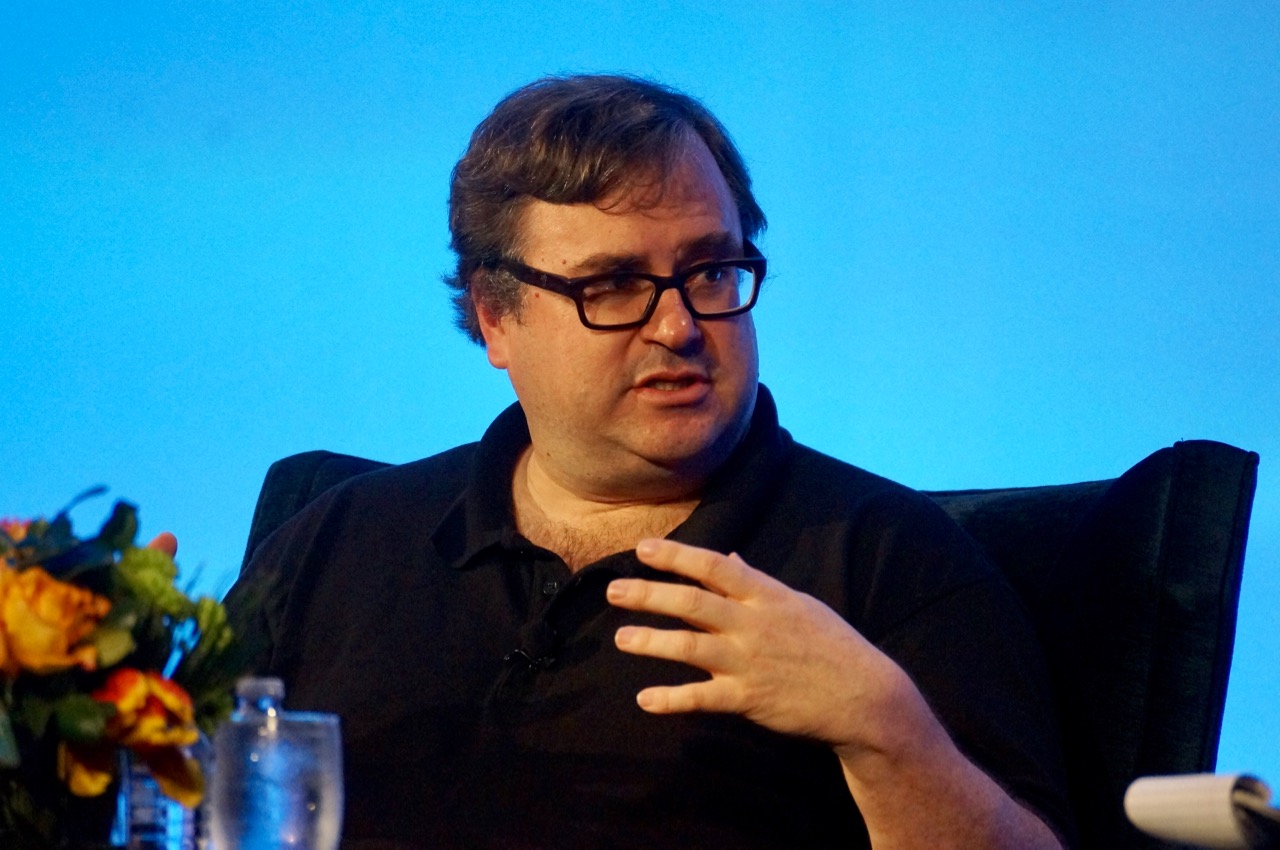
In the fast-paced, high-stakes theater of Silicon Valley, true transitions are rarely just administrative updates; they represent structural shifts in the very landscape of the industry. Such is the case with Reid Hoffman’s newly announced decision to step down from Microsoft’s board of directors, an exit that marks the end of a pivotal decade near the summit of the tech giant. According to a recent SEC filing, the legendary LinkedIn co-founder and veteran venture capitalist informed Microsoft on June 2, 2026, that he would not stand for re-election at the company’s upcoming annual shareholder meeting later this year. While many such high-profile departures are accompanied by rumors of internal strife or strategic disagreement, the official documentation made it clear that Hoffman’s choice was entirely amicable, free from any friction or dispute with Microsoft’s executive leadership regarding the company’s direction, operations, or internal policies. Instead, his departure represents a deeply personal pivot—a seasoned tech pioneer deciding to step away from the polished halls of corporate governance and step back into the unpredictable, creative grit of hands-on building.
At the heart of Hoffman’s transition lies a philosophy that has recently swept through the technology sector: a return to what industry insiders call “founder mode.” During a heartfelt episode of his podcast, Possible, Hoffman shared a candid conversation with Microsoft CEO Satya Nadella, explaining that his desire to exit the board stem-med from a deep-seated urge to dedicate his full attention and creative energy to Manas AI, a pioneering cancer drug-discovery startup he co-founded. For Hoffman, who has spent decades advising, investing in, and guiding multi-billion-dollar enterprises, the call to return to the early-stage trenches was driven by the raw human potential of biotech. Manas AI represents a daring attempt to harness the predictive power of artificial intelligence to unravel the molecular complexities of cancer, offering a beacon of hope for highly personalized, accelerated therapeutic discoveries. Rather than comfortably supervising a tech colossus from a boardroom seat, Hoffman is choosing to roll up his sleeves and dive into the chaotic, high-reward phase of early-stage entrepreneurship, driven by a belief that AI’s most profound legacy will not be software interfaces, but life-saving cures.
To fully appreciate the weight of Hoffman’s departure, one must look back to the transformative corporate marriage that first brought him onto Microsoft’s board in 2017. He joined the leadership ranks following Microsoft’s historic, eye-watering $26.2 billion acquisition of LinkedIn—the professional networking powerhouse Hoffman co-founded in 2003 and nurtured into a global utility. On Microsoft’s board, Hoffman’s influence stretched far beyond the mechanics of social networking; he served as a vital bridge between the established enterprise culture of Seattle and the fast-moving, risk-tolerant ecosystem of Silicon Valley. Additionally, his role on the board’s Environmental, Social, and Public Policy Committee solidified his reputation as an elder statesman of the internet, guiding Microsoft through complex discussions surrounding corporate responsibility, ethical technology deployment, and sustainable growth in an era where global tech conglomerates face unprecedented public accountability.
Yet, Hoffman’s most formidable and perhaps controversial legacy on the board lies in his role as a principal architect of the modern artificial intelligence landscape. He has consistently operated as a hands-on experimenter and kingmaker in the AI arena, maintaining a dizzying web of influence that often blurred the lines of corporate boundaries. Hoffman was a critical early backer of OpenAI, serving on its board during its foundational years before stepping down in March 2023 to preemptively resolve potential conflicts of interest with his investments at Greylock Partners and his co-creation of Inflection AI, which he launched alongside DeepMind co-founder Mustafa Suleyman. This web of alliances culminated in a breathtaking corporate maneuver in March 2024, when Microsoft absorbed most of Inflection’s top-tier talent, installed Suleyman as the CEO of a newly minted Microsoft AI division, and forged a $650 million licensing deal with Inflection—a masterstroke of strategic integration that Hoffman helped quietly navigate.
However, navigating the highest echelons of public tech companies also meant occupying a highly visible target in an increasingly polarized world. Hoffman’s nine-year tenure on Microsoft’s board was frequently challenged by outside pressure, most notably from the National Legal and Policy Center (NLPC), a conservative shareholder activist group. For three consecutive years, the NLPC aggressively lobbied Microsoft investors to vote against Hoffman’s re-election, pointing to his prominent, high-level financial backing of Democratic political campaigns and questioning whether his external political activism conflicted with his duties to a politically diverse shareholder base. Despite this persistent, organized opposition, the broader shareholder community consistently rallied behind Hoffman, overwhelmingly re-electing him year after year—most recently in December 2025—demonstrating a deep collective trust in his strategic vision and invaluable industry foresight despite the culture-war battles swirling around him.
Ultimately, Hoffman’s departure is best understood not as a retreat, but as a passing of the torch and a redirection of rare human curiosity. The genuine warmth between Hoffman and Satya Nadella on their recent podcast exchange highlighted the unique camaraderie that defined their collaborative years, a sentiment Nadella echoed on LinkedIn by expressing intense gratitude for Hoffman’s decade of insight while voicing excitement for whatever he builds next. As Hoffman transitions out of the Microsoft boardroom, he leaves behind a company that has successfully reinvented itself as the absolute center of the cloud and AI era, a transformation he actively championed. By choosing to trade corporate security for the unpredictable frontier of cancer research, Hoffman is proving that true founders never quite lose their appetite for the unknown, reminding the tech world that the ultimate purpose of building powerful tools is to venture out and solve humanity’s most complex, pressing challenges.