



There is a unique type of magic that occurs when the world gathers under the banner of international sport, a phenomenon where the normal boundaries of language, culture, and geography dissolve into shared enthusiasm, bizarre cultural exchanges, and unexpected logistics. Recently, as crowds swept across the United States for World Cup festivities, the Transportation Security Administration (TSA) found itself issuing a polite yet highly unusual warning to international visitors who had developed an overwhelming, unforeseen obsession with a classic American culinary staple. Whether it was jars of creamy peanut butter, local barbecue sauces, or iconic salad dressings, foreign travelers were eagerly attempting to pack their luggage with these newly discovered treats, leading to a massive bottleneck at security checkpoints where strict liquid and gel limits are non-negotiable. This hilarious clash of security protocols and sudden gastronomic devotion highlights the beautiful, unpredictable nature of global travel; we head out seeking world-class matches and historic stadiums, only to find our hearts stolen by a simple supermarket condiment that we cannot bear to leave behind. Meanwhile, on the historic streets of Boston, this cross-cultural exchange took on a louder, more rhythmic life of its own as passionate Norwegian soccer fans flooded the city, bringing with them a wave of singing, flag-waving, and highly localized sporting traditions that temporarily transformed New England into an extension of northern Europe. The sheer, unadulterated joy of these visiting supporters, sharing their heritage alongside Americans who were busy explaining the nuances of their favorite local diners, captures the true spirit of international tourism. It is a reminder that travel is not just about ticking off famous landmarks on a checklist, but about the lively, sometimes messy collisions between different ways of living, where a simple security screening can turn into a lighthearted conversation about breakfast habits, and a historic American street can suddenly echo with chants from the North Sea.
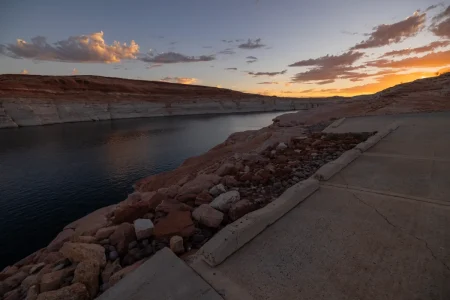
While the joy of discovery remains a powerful motivator for stepping out of our comfort zones, the modern traveler must also cultivate a deep sense of resilience and adaptability, as the very landscapes we long to explore are changing rapidly right before our eyes. Across some of the world’s most beloved summer destinations, local officials have been forced to implement sudden, heartbreaking closures of popular swimming spots due to growing ecological concerns, ranging from toxic algae blooms to unprecedented temperature spikes that threaten both delicate aquatic ecosystems and human health. This disruption to our seasonal escapes serves as a sobering reminder of our fragile relationship with nature, transforming what should have been pristine, refreshing retreats into quiet, cordoned-off reminders of a planet in flux. This sense of navigating an increasingly complicated world is not limited to natural wonders; those looking to immerse themselves in history are facing new hurdles as well. Fresh regulatory guidance issued for travelers planning trips to some of Europe’s most historic and enduringly popular regions highlights a growing web of logistical challenges, from new electronic entry authorizations to strict overtourism measures designed to protect ancient cities from being crushed under the weight of their own popularity. Walking down the winding, sun-drenched alleys of historic capitals now requires a level of planning and digital compliance that can feel entirely antithetical to the free-spirited romance of travel. Yet, this evolution in tourism is forcing a necessary, healthy shift in our perspective, encouraging us to step away from mindless consumerism and toward a more conscious, respectful form of wandering. It reminds us that these historical sites and natural sanctuaries are not amusement parks built for our quick entertainment, but living, breathing treasures that demand our stewardship, patience, and a willingness to adapt our dreams to ensure their long-term survival.
In a similar vein of shifting perspectives, the way we choose to nourish ourselves while exploring the world’s vast oceans is undergoing a profound and deeply personal transformation on cruise ships. For decades, the classic cruise vacation was culturally synonymous with unchecked indulgence—a boundless parade of midnight buffets, heavy, multi-course dinners, and an unspoken agreement that our personal dietary goals would be temporarily suspended the moment we stepped onto the gangway. However, a quiet revolution is taking place on the high seas as a new generation of travelers steers toward a remarkably different approach to maritime dining, prioritizing mindful wellness and finding transformative physical and mental results that reach far beyond the cold numbers on a bathroom scale. Cruise operators have responded to this wave of consciousness by completely reimagining their culinary programs, swapping out heavy, calorie-laden spreads for vibrant, locally sourced ingredients, plant-based masterpieces, and personalized nutrition plans that treat food as fuel for adventure rather than a guilty pleasure. Passengers are discovering that they can return from a week of sailing feeling lighter, more energized, and deeply rejuvenated, having spent their days participating in sunrise yoga on the ship’s deck and enjoying nutrient-dense meals that reflect the regional flavors of their various ports of call. This shift is not about restrictive deprivation or the joyless calorie counting of past diet trends; instead, it is a celebration of holistic vitality, where travelers discover that taking care of their bodies actually enhances their appreciation of the journey, allowing them to hike longer, swim deeper, and return home with a sustainable lifestyle shift that lasts long after their cruise has docked.
Beyond the immediate horizons of modern wellness and contemporary travel, our enduring human curiosity often draws us backward in time, seeking to understand the deep, ancient roots that define our collective identity. Recently, the scientific community was sent into a state of quiet awe by a monumental discovery that completely reshapes what experts believed they knew about the epic origins of Stonehenge, one of the world’s most enduring and enigmatic prehistoric monuments. New geological analysis has revealed that the massive Altar Stone, long thought to have been sourced from nearby Wales, actually originated from the far north of Scotland, implying a staggering level of prehistoric transport, coordination, and maritime navigation over hundreds of miles that completely upends our understanding of Neolithic societies. This startling revelation suggests that our ancient ancestors were not isolated, localized tribes, but part of a highly connected, sophisticated network capable of monumental collaborative feats. This theme of unexpected ancient sophistication is echoed in the recent unearthing of a remarkably rare, beautifully preserved Viking sword, dating back more than a millennium. Finding such a formidable weapon, complete with intricate craftsmanship that whispers tales of long-extinct smithing techniques, offers us an intimate, almost tactile glimpse into the perilous daily lives, oceanic voyages, and fierce spirit of the Norse people. When we look at these artifacts, we are not just looking at cold stone or rusted iron; we are staring across a vast ocean of time at the hands that carved, carried, and cherished them, reminding us that the human desire to build, explore, and leave a permanent mark on the earth is an ancient fire that has burned in our chests for thousands of years.
This profound connection to those who walked the earth before us becomes even more visceral when science allows us to look directly into the faces—and even the final hours—of the individuals who lived it. Scientists working with the preserved remains of the famous 5,300-year-old mummy known as Ötzi the Iceman have recently uncovered fascinating new genetic clues from deep within his tissues, painting a much more accurate and humanized picture of this copper-age hunter than ever before, revealing details about his physical appearance, his genetic origins, and his final steps across the frozen Alps. It is a staggering achievement of modern technology that allows us to find common ground with a man who breathed his last breath millennia ago, bridging an unimaginable chasm of time. Similarly, beneath the heavy stone floors of the Notre Dame Cathedral in Paris—currently undergoing an emotional, painstaking resurrection following the devastating fire that broke the heart of France—archaeologists have uncovered mysterious, long-forgotten markings and ancient burial vaults. These hidden chambers, sealed away from public view for centuries, offer a hauntingly beautiful glimpse into the spiritual and architectural history of a city that has survived countless plagues, revolutions, and wars. Touching these ancient stone markings, carved by long-dead stonemasons who poured their souls into the foundations of a monument they knew they would never live to see finished, reminds us of the delicate, sacred thread that binds our present achievements to the quiet sacrifices of the past, encouraging us to treat our historical spaces not as mere tourist attractions, but as sacred repositories of human dreams.
Ultimately, whether we are exploring ancient ruins, taking a wellness cruise, or simply trying to get through a chaotic airport security line, our journeys are defined by a profound vulnerability—a reality brought into sharp, heart-stopping focus by the poignant quote of the week from a traveler whose peaceful day turned into a nightmare. “I keep thinking that I was supposed to be standing there, but for some reason I moved away at the last moment,” they recalled, describing the chilling instant when a massive, heavy structure suddenly came crashing down in a space they had occupied just seconds prior. This raw, emotional reflection on a near-miss strike strikes a deep, universal chord within all of us, capturing that breathless, terrifying margin between ordinary life and sudden, catastrophic tragedy. It serves as a powerful, grounding reminder of the radical fragility of our existence; we plan our itineraries, purchase our tickets, and step out into the world with a sense of security, yet we are always walking hand-in-hand with the unpredictable forces of fate and gravity. This profound realization should not paralyze us with fear or keep us confined to our homes; rather, it should imbue every single step we take with a radiant sense of gratitude and presence. Knowing that our time on this beautiful, chaotic planet is infinitely precious makes the blue of a newly reopened swimming spot look a little brighter, the taste of a rare culinary discovery a little sweeter, and the laughter of a crowd of strangers a little warmer, reminding us to live fully and love deeply in whatever precious seconds we are given.