





The New York Jets are gearing up for what could be one of the most pivotal offseasons in recent franchise history, thanks to their enviable position in the 2026 NFL Draft. With not one, but two first-round picks in their pocket, the team finds itself at a fascinating crossroads. On one hand, they’ve got a roster riddled with needs—think defensive depth, offensive linemen, and that lingering quarterback uncertainty that has fans biting their nails. On the other, these picks represent a golden opportunity to reshape the squad and inject some serious talent into a group that has teetered on mediocrity for far too long. It’s the kind of scenario that has Jets fans dreaming big, imagining a revival akin to the glory days when the team was a powerhouse, but it’s also a reminder of the team’s recent struggles. Drafts like this don’t come around every year, and with the league’s landscape shifting so rapidly, the Jets could either solidify their future or trade away potential for immediate fixes. It’s intriguing to watch how general manager Joe Douglas navigates this, balancing the thrill of building through the draft with the pragmatism of roster upgrades. As training camps and free agency wrap up, all eyes will be on how New York approaches these picks—do they hold tight and swing for the fences, or do they play it safe and consolidate?
Talking about the Jets’ picks, you can’t ignore the tempting option of trading down to accumulate more selections throughout the draft. It’s a strategy we’ve seen unfold countless times in NFL history, where teams downgrade for additional ammunition to stockpile talent in later rounds. The Jets, with their multiple holes— from an aging defense to an offense that sputtered without rhythm—might be tempted to flip one of those first-rounders for extra picks, maybe even a fourth-rounder or two, to address more positions in a deeper, more versatile way. After all, patching multiple leaks at once could prevent the kind of down seasons that have plagued New York under various regimes. Yet, staying put carries its own allure, especially if fortune favors the bold. Analyst Peter Schrager from ESPN paints a picture where the draft’s dominoes fall perfectly, potentially gifting the Jets with an absolute gem. This isn’t just wishful thinking; it’s grounded in the unpredictable nature of trade winds that swirl every April. You can almost picture the Jets’ front office huddled in a room, weighing pros and cons, coffee pots brewing overtime, as they debate whether to chase certainty or risk it all. It’s human nature in these high-stakes decisions—the fear of regret haunting every choice—but in this case, Schrager’s optimism could turn a standard draft into a Jets renaissance.
Diving into Schrager’s predictions adds layers to this excitement, revealing just how a couple of bold trades could redefine the first round. He envisions the Kansas City Chiefs, always looking to maximize their roster firepower, dealing their No. 9 and No. 29 overall picks to the Dallas Cowboys in exchange for the Nos. 12 and 20 picks. This swap isn’t arbitrary; it’s a calculated pivot that allows the Chiefs to unload some pressure from their highly anticipated pick while giving Dallas more draft currency to bolster their defense or offense. Similarly, the Detroit Lions are betting big by sending their No. 17 overall pick, along with the 118th pick and a second-rounder in 2027, to the Los Angeles Rams for the coveted No. 13 pick. It’s a chess move that speaks to the Rams’ hunger for top-tier talent early on, perhaps eyeing a quarterback or a coveted defensive star to continue their ascension. These deals would ripple through the board, shaking up the pecking order and leaving teams like the Jets with unexpected avenues to exploit. Fans can relate to the thrill of seeing their underdogs benefit from others’ maneuvers—it’s like watching a undercard boxer land a knockout thanks to the main event’s chaos. In the world of drafts, where one trade can cascade into another, Schrager’s scenario underscores how interconnected these franchises are, turning what could be a sleepy first round into a blockbuster auction.
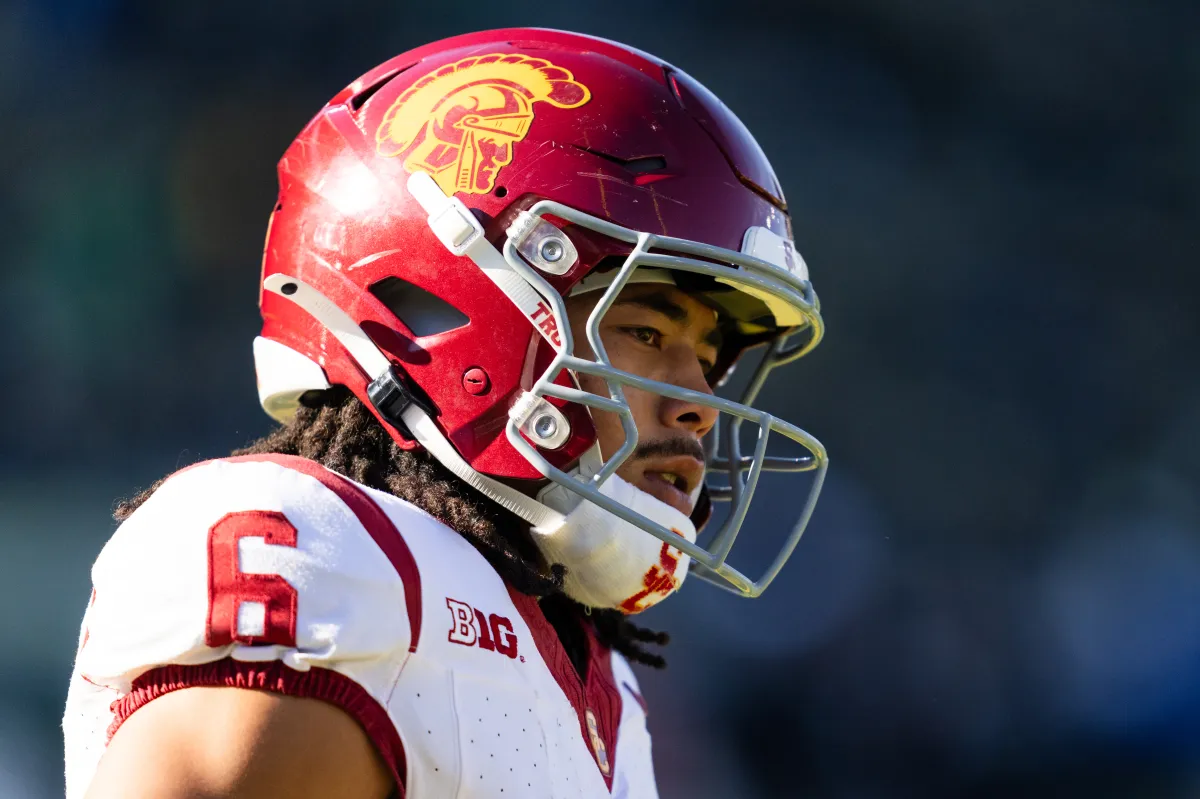
All of this maneuvering, according to Schrager, sets the stage for the Jets to pounce with their 16th pick, potentially snagging USC wide receiver Makai Lemon—who could very well be the steal of the draft if things align. It’s a tantalizing “what-if” that has Jets faithful talking excitedly in bars and online forums: imagine Lemon slipping just that far, evading the Rams at 13 (especially since Schrager has them trading back to 17), and landing in New York instead. Lemon embodies that rare blend of toughness and smarts, a player who doesn’t just catch balls but dominates with relentless pursuit. Fans might recall similar coups in draft history, like when teams nabbed hidden gems who went on to define eras. If this unfolds, both New York teams—the Jets and Giants—could emerge from the top half of the first round with dual-threat stars: an elite pass rusher and a star receiver. The comparison to past duos like Reese and Tyson isn’t far-fetched; it evokes the kind of chemistry that turns good teams into dynasties. Humanizing this, it’s easy to picture Lemon stepping onto the turf in East Rutherford, his grit matching the city’s no-nonsense vibe, turning potential into palpable energy. For the Jets, this isn’t just about filling a roster spot—it’s about rewriting their narrative from perennial contenders to bona fide winners.
Lemon’s college resume reads like a highlight reel designed to make hearts race. As a unanimous All-American and the recipient of the Fred Biletnikoff Award—given to the nation’s top receiver—his breakout 2025 season at USC was nothing short of spectacular. In just one year, he hauled in 79 catches for 1,156 yards and 11 touchdowns, showcasing not only his physical prowess but his mental acuity in route-running and contested battles. It’s the kind of production that screams “pro-ready,” yet his journey wasn’t handed to him on a silver platter—he’s a story of perseverance, grinding through minor injuries and lineup changes to emerge as one of the draft’s top wide receivers. Fans connect with players like this; they’re the underdogs who refuse to quit, much like a city kid dreaming of making it big. Projecting to the top 12 for many analysts, collecting him at 16 would be a heist for the Jets, a validation of patience and preparation. Watching his game tape, you see the spark—the way he fights off defenders, dives for extras, and anticipates throws before they happen. It’s not just stats; it’s the intangibles that make a receiver a superstar, traits that could transform a stagnant offense into a force to be reckoned with.
Finally, the impact of adding a talent like Makai Lemon to the Jets’ wide receiver corps cannot be overstated, especially in an NFL landscape where quarterback playmaking hinges on dependable targets. Last season, New York’s pass-catching group was abysmal, with no single receiver surpassing 395 yards or 44 receptions— a far cry from the explosive units that dominate headlines. Pairing Lemon with the return of a fully healthy Garrett Wilson would create a dynamic 1-2 punch, offering whoever steps into the quarterback role—be it an incumbent or a draftee—a foundation for quick success in 2027. It’s the kind of offensive upgrade that could lead to fewer sacks, more completions, and those game-winning drives fans crave. In a league where air attacks decide games, this shift could rejuvenate the Jets’ approach, mirroring how other teams have rallied with elite receiving tandems. Fans can envision playoff runs, family gathering around TVs, high-fiving as Lemon torques his body for a heroic catch. Ultimately, if the stars align and these trades happen, the 2026 draft could mark the Jets’ tipping point, proving that sometimes, the best stories come from seizing the moment rather than settling for safety. It’s a human tale of ambition, risk, and the thrill of potential, reminding us why NFL drafts captivate us year after year.