


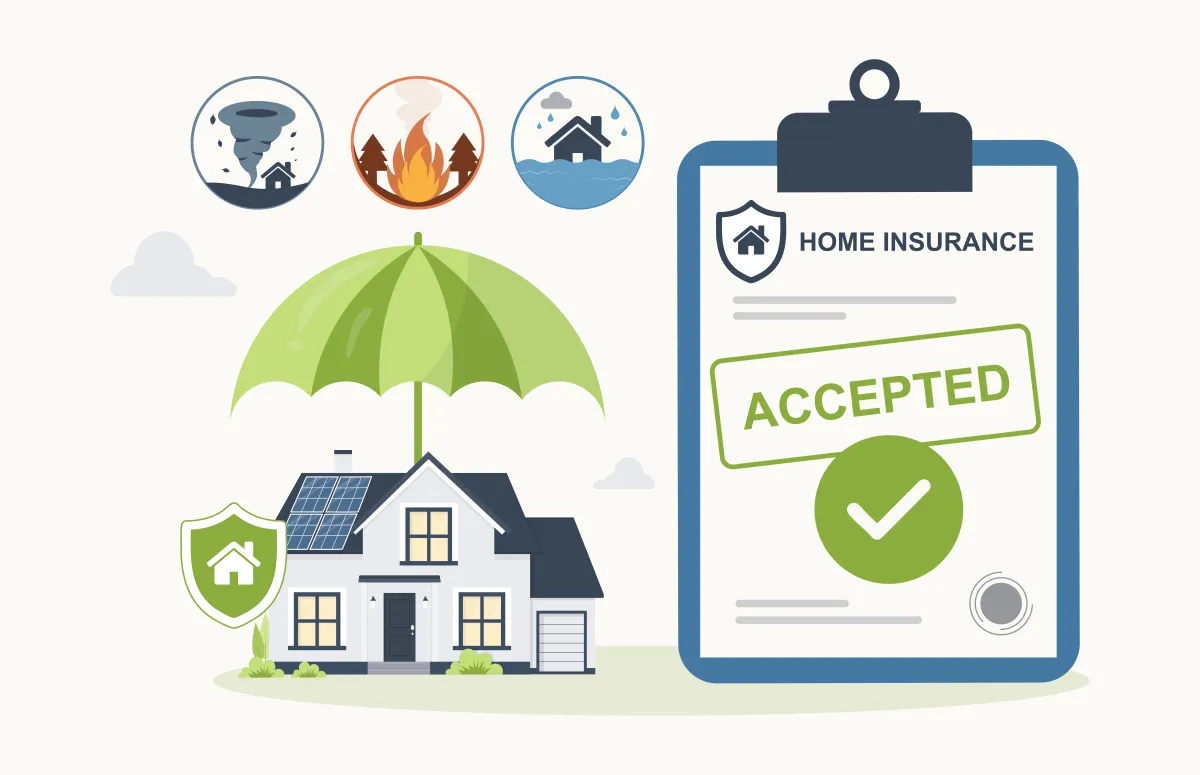
It’s easy to look at your home insurance bill and think the problem is simply that everything costs more. In 2026, that feeling is everywhere. The Pew Research Center has found that 71 percent of American homeowners say their insurance costs have gone up in recent years, and 42 percent describe the increase as substantial. The average annual premium has climbed to about $3,300, after jumping nearly a quarter between 2021 and 2024. These are real numbers, and they are landing in real mailboxes. But if we stop at the bill, we miss the story. Higher premiums are not the disease; they are a fever. The actual illness is deeper. We have built a financial system that is exceptionally good at paying for disasters after they happen and almost completely incapable of paying to prevent them in the first place. Every wildfire, flood, and heat wave now sets off a chain reaction that reaches far beyond damaged walls and rooflines. It reaches into bank balance sheets, municipal budgets, and the retirement savings of people who have never filed a claim. Until we confront that structural failure, households will keep paying more, governments will keep borrowing more, and taxpayers will keep absorbing losses that should never have existed at all.
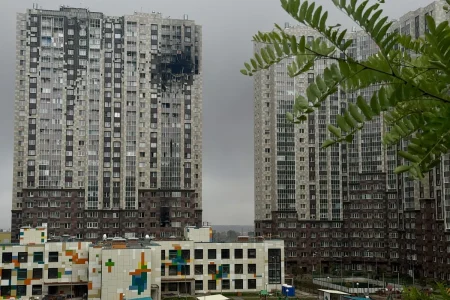
Imagine a wildfire destroying a neighborhood. The visible tragedy is obvious: homes lost, lives disrupted, memories reduced to ash. But the invisible story is just as devastating. Insurers either retreat from the area or dramatically raise their prices, which makes homes harder to insure. And when a home is harder to insure, it becomes less valuable. Banks suddenly find themselves holding mortgages that are weaker than they expected, because the underlying property is no longer as attractive to future buyers. Local governments watch their property tax revenue shrink just as their costs explode. They need more money for emergency response, for removing debris, for repairing roads and water systems, and for rebuilding public infrastructure. Their financial position weakens, so their borrowing costs go up. The municipal bonds they sell lose value, which hurts the banks, insurers, and investors who own them. One wildfire can trigger a financial domino effect that ripples through an entire regional economy, touching people who live hundreds of miles away and who will never see the burn scar. This is not an isolated sequence. It is the pattern of every major climate disaster in recent memory. And we keep responding the same way: wait for the damage, then scramble to pay for it.
The greatest losers in this cycle are rarely the insurance companies. They can reprice risk, pull out of markets, and pass costs along to customers. The people and institutions that cannot escape are state and local governments. National governments can create money; cities and states cannot. So every disaster forces them into impossible choices. Do we raise taxes? Do we borrow more? Do we cut spending on schools, hospitals, roads, and public services? In practice, they often end up doing a painful combination of all three. Over time, communities lose the financial capacity to invest in their own future because they are trapped paying for yesterday’s losses. A town that should be building a new library or fixing its aging water pipes is instead still paying off the bonds from the last flood. A city that should be investing in affordable housing is instead covering the cost of emergency shelters. The cycle is relentless. Each new disaster makes it harder to recover from the previous one, and the bill grows larger each time. This is not just an economic problem; it is a moral problem. It punishes communities for being in harm’s way, even when they had little say in the decisions that placed them there. And it leaves the people who can least afford to absorb losses with the heaviest burden.
Why does this keep happening? Because modern finance has an astonishing blind spot. We have markets for stocks, bonds, commodities, infrastructure, and even carbon credits. We can invest in companies that build oil pipelines, semiconductor factories, or apartment towers. We can bet on the price of wheat, gold, or electricity. But there is still no mainstream investment that allows capital to earn returns by reducing future climate losses. We know how to finance recovery. We have completely failed to finance prevention. This is not because prevention lacks economic value. In fact, the opposite is true. Avoided losses create enormous value, and we simply refuse to measure it. Every wildfire that causes less destruction, every flood that damages fewer homes, every heat wave that places less strain on the power grid, saves real money for governments, insurers, utilities, businesses, and families. The problem is that those savings are scattered across many different beneficiaries. A forest management project might reduce fire damage for thousands of homeowners, lower the cleanup costs for a county, and protect electricity lines for a utility. Because the benefit is spread so widely, no single actor is willing to pay for the whole project. And because there is no way for an investor to say, “I will fund this prevention work, and in return I will receive a share of the savings it produces,” the project simply does not get built. The value is real. The mechanism is missing.
That missing mechanism should become one of the next major innovations in finance. Imagine a market built around avoided losses. Investors provide upfront capital for projects that reduce climate risk. They might fund the restoration of wetlands that absorb floodwaters, the controlled burns and thinning that prevent catastrophic wildfires, or the cooling infrastructure and green spaces that protect city dwellers from extreme heat. Independent modeling firms would measure the losses that were avoided over time. They would compare what actually happened to what would likely have happened without the investment. Governments, utilities, insurers, and other beneficiaries would share a portion of those verified savings with the investors, while still keeping most of the economic benefit for themselves. In that simple arrangement, prevention stops being treated as an expense and starts being recognized as a productive investment. It would create a financial asset that yields returns precisely when disaster does not happen. That sounds counterintuitive, but it is the missing piece. It would give investors a reason to care about resilience, because their returns would depend on it. It would give communities a way to finance protective measures before the next storm, instead of waiting to finance reconstruction after it. And it would finally align the financial incentives of Wall Street with the public interest of Main Street.
A market built around avoided losses would do far more than reduce disaster costs. It could stabilize insurance markets by making risk more manageable and predictable. It could preserve local government budgets by reducing the constant drain of disaster response and recovery. It could protect long-term property values by helping communities remain desirable places to live. It could give investors access to an entirely new category of productive assets, one that is not just profitable but genuinely good for the world. Most importantly, communities would have greater capacity to strengthen infrastructure before disaster strikes, rather than repeatedly financing recovery after it does. The question is no longer whether prevention creates value. It is why we still lack the financial markets to reward it. Policymakers should begin developing frameworks that recognize avoided loss as measurable economic value. Institutional investors should demand prevention-focused investment structures alongside traditional infrastructure assets. And citizens should press their state and local representatives to explore financing models that reward prevention before disaster, not just afterwards. If markets can reward rebuilding after disasters, they should also reward preventing them. It is time they did.