





The Quiet Hero of a Forgotten Era
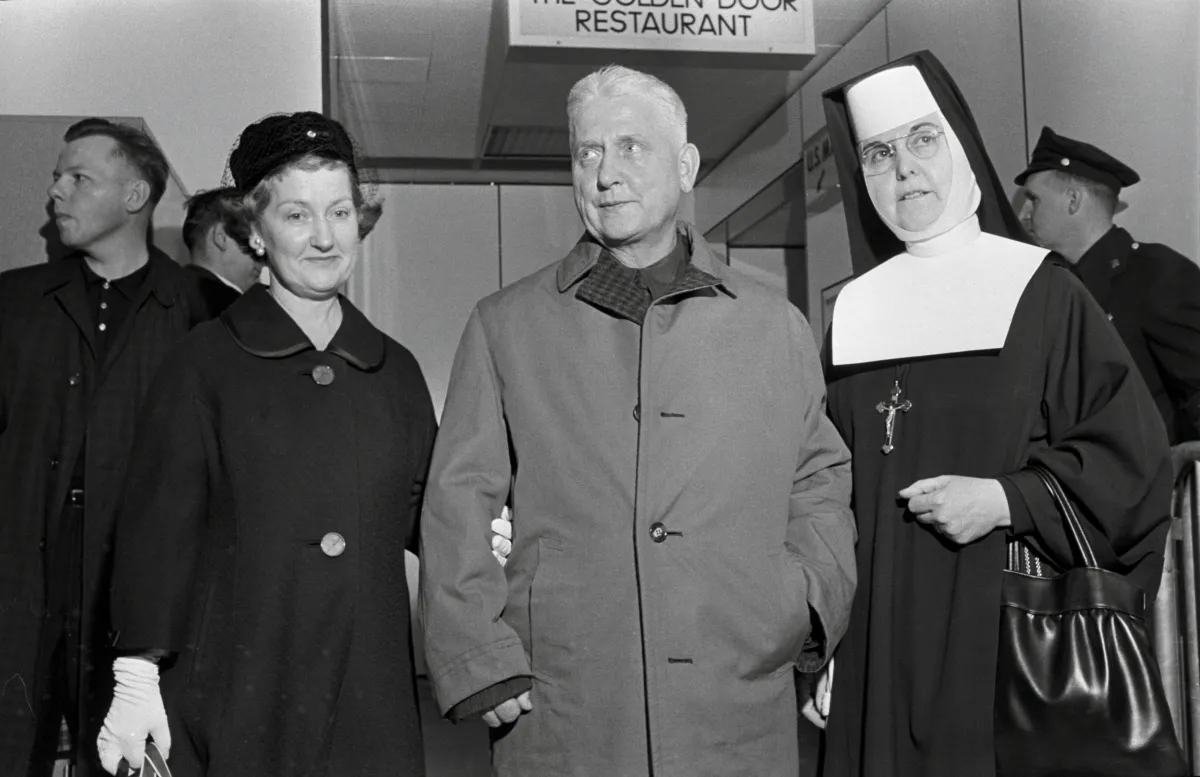
Imagine stepping into the shoes of a young man from Pennsylvania, born in 1904, drawn by faith to a life of service in the Catholic Church. Walter Ciszek wasn’t just any priest—he felt a deep calling to spread God’s word in the harshest corners of the world. By the 1940s, he ventured into the Soviet Union, a place where religious freedom was a dangerous myth, disguised as a missionary amidst the shadows of World War II. Little did he know, his journey would lead him into the heart of suffering. In 1941, Soviet authorities arrested him, labeling him a spy—a common fate for foreigners in Stalin’s empire. For 22 grueling years, he endured torture, isolation, and the relentless grind of labor camps, yet he refused to abandon his faith. Instead, he ministered to fellow prisoners: hearing confessions in secret, offering comfort to those broken by despair, and holding clandestine Masses that became beacons of hope. Humanizing him means seeing him not as a saintly figure carved in marble, but as a man with aching bones, shivering in the cold, whispering prayers when hope seemed lost. His experience was a testament to resilience, a reminder that faith can shine even in the darkest dungeons. Released in 1963 through a prisoner swap orchestrated by President John F. Kennedy, he returned to the United States, writing memoirs that turned his ordeal into stories of courage. Throughout his later years until his death in 1984, Ciszek lived modestly, his voice carrying the weight of lived testimony. It’s stories like his that inspire us to ponder our own limits, our capacity for endurance in the face of inhumanity. Yet, in a surprising turn in 2012, the Vatican approved his path to sainthood, sparking joy among his admirers. That approval felt like redemption, a church’s nod to a life well-lived in silent sacrifice. Now, however, that path has hit a roadblock, leaving many grappling with a mix of confusion and sorrow.
The Tears of Hope in Siberian Snows
To truly humanize Walter Ciszek’s story, we must linger on those Siberian years, where the human spirit was tested against the machinery of oppression. Picture this: a priest, stripped of vestments, forced into a kaftan like ordinary laborers, his body betraying him with hunger pangs and the sting of cold that never thawed. Days melted into nights in the gulags, where he shared bunks with thieves and dissidents, men whose dreams had been crushed under the wheel of ideology. But Ciszek didn’t wallow in self-pity; he became a shepherd to the lost. Clandestine liturgies unfolded in barracks, prayers murmured under blankets to evade guards, sacraments administered with makeshift chalices carved from bread. He counseled inmates facing execution, holding their hands as they whispered final regrets or clung to fading belief. One can almost hear the echo of his voice, steady and kind, saying, “God is with us,” in a world that demanded atheism. These acts weren’t dramatic spectacles; they were quiet rebellions of the soul, binding together the dehumanized. Released in that 1963 swap, Ciszek emerged not bitter, but wiser, his eyes reflecting the quiet strength that comes from unbroken faith. In memoirs like “He Leadeth Me,” he painted these scenes vividly, turning personal agony into universal lessons. Americans read his stories during the Cold War, inspired by his example of perseverance without revenge. Yet, his sainthood cause, launched decades later, promised to enshrine this heroism forever. Supporters, from humble parishioners to high-ranking clergy, saw in him a model for our fractured times—a man who suffered immensely yet forgave deeply. Halting this process now feels like dimming a light that guided so many through their own struggles. It’s not just a bureaucratic decision; it’s a personal heartache for those who found solace in his witness.
The Church’s Careful Reevaluation
The process of sainthood is no light matter; it’s a meticulous journey through the Vatican’s labyrinthine halls, where lives are examined under the lens of heroic virtue. In 2012, Ciszek’s cause received the green light, a moment of triumph for his prayer league and diocese. But faith demands rigor, and over the years, officials delved deeper into his documentation—letters, testimonies, the minutiae of his imprisonment. What emerged was not the expected clarity, but uncertainties that cast shadows. Perhaps details of his interrogations revealed compromises, or perhaps the evidence of miracles fell short. Humanizing this means acknowledging the church’s human fallibility; saints aren’t chosen in haste, after all. The Holy See, entrusted with discerning God’s will, concluded that the records didn’t convincingly prove the canonization-worthy heroism they once thought. It’s a painful admission, like admitting a beloved uncle’s stories might have gilded edges. In a letter dated recently, Monsignor Ronald Bocian of the Walter Ciszek Prayer League communicated the truth with gentle firmness: “The formal canonization process has been stopped.” This wasn’t a condemnation but a call to halt, rooted in years of study. The Diocese of Allentown echoed this sentiment, emphasizing thoroughness and integrity. For those who’ve prayed for decades, imagining icons and Masses in his honor, this news lands like a gentle but irrevocable loss. Yet, it doesn’t erase Ciszek’s legacy; it merely refocuses it on his earthly witness. We humans grapple with such readjustments—cherished plans thwarted by evidence. In the church’s world, where miracles are scrutinized and virtues quantified, this decision reflects a commitment to authenticity over haste.
Voices of Faith Amid Disappointment
Statements from the involved parties carry the weight of sorrow and steadfastness, humanizing the bureaucracy into real conversations. Bocian, in his letter, spoke directly to the heart: the documentation simply didn’t support advancing the cause. It’s not about doubting Ciszek’s goodness but recognizing that sainthood requires irrefutable proof of holiness beyond the ordinary. He urged supporters not to let disappointment overshadow the “enduring spiritual value” of Ciszek’s life—his witness remains a source of inspiration, even without the canon. The Diocese of Allentown amplified this, reminding us that the church evaluates causes with a fidelity to norms that protects the integrity of the process. One can picture Bocian writing late into the night, choosing words that console rather than alienate, drawing from his own spiritual journey. Emotional undertones seep through; there’s disappointment, yes, but also gratitude for the chance to honor a man like Ciszek. Supporters, many of whom have built prayer groups or donated to the cause, might feel the sting of dashed hopes, reminiscent of life’s unpredictable turns. Yet, Bocian’s message humanizes faith’s imperfection: it’s okay to pause, to reevaluate, to find value outside ceremonious elevation. As EWTN News reported, the confirmation came swiftly, inviting reflection on how personal stories intersect with institutional decrees. This is the church at work—human, discerning, and ever-evolved, balancing reverence with reality.
Echoes of Tension Between Thrones
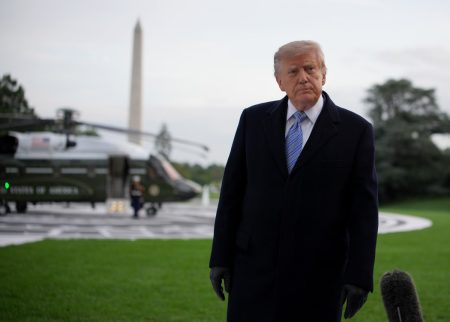
Beyond Ciszek’s story lies a broader canvas of Vatican-US relations, a tapestry of diplomatic strains that adds context to this halt. While no direct motive links the sainthood pause to global politics, the timing amidst escalating tensions is noteworthy. Pope Leo XIV, a figure of moral authority, recently denounced what he called the “delusion of omnipotence” behind the U.S.-Israel conflict involving Iran—a reference likely to America’s role in Middle East entanglements. His words struck a chord, interpreted widely as a critique of President Donald Trump’s administration, though the Pope clarified he wasn’t targeting Trump personally. This speech reflected a pontiff’s anguish over wars fueled by pride, urging leaders to “stop fighting and negotiate peace.” Humanizing this means seeing Pope Leo as a grandfatherly voice amid chaos, pleading not just for policy but for humanity’s salvation. His comments landed squarely in U.S. waters, amplifying unease. In response, Trump quipped last week that he’s “not a big fan” of Leo, a casual dismissal that highlighted the chasm between secular power and spiritual oversight. The Pope, undaunted, replied he had “no fear” of the administration, embodying a quiet defiance that resonates with those weary of partisan divides. These exchanges paint a picture of clashing worlds: one rooted in papal tradition, the other in electoral wins. Amid this, the Ciszek decision arrives—not as retribution, but perhaps as a subtle recalibration. Faith leaders often steer clear of overt politics, yet their stances bleed into public discourse. For many Catholics, it’s a reminder of the church’s prophetic role, challenging earthly powers while safeguarding its own processes. This human drama underscores how personal lives, like Ciszek’s, can be overshadowed by larger conflicts.
Polling the Pulse of Faith and Politics
To round out this narrative, we turn to public sentiment, where polls reveal the heartbeat of Catholic America in this fraught landscape. Recent Fox News data shows Trump’s approval among Catholics at 48%, with 52% disapproving—a flip from February, when 52% approved and 48% didn’t. This shift isn’t just statistics; it reflects lived experiences, melding faith with civic duty. Many Catholics, inspired by figures like Ciszek, navigate a world where church teachings on justice clash with political realities. A disapproval rating edging higher suggests weariness with policies seen as divisive, echoing Pope Leo’s anti-war pleas. Yet, humanizing these numbers reveals stories: a grandmother who prays for both church and country, or a young professional torn between loyalty to faith and the ballot box. Trump’s candid remarks on the Pope might alienate some, while his administration’s stances on social issues resonate with others. The Ciszek halt, occurring in this climate, might inadvertently reinforce doubts about institutional coherence. Yet, it’s a call to deeper reflection—how do we balance sanctity and saber-rattling? Supporters of Ciszek, many conservative Catholics, may feel doubly unsettled by these crosscurrents. Nevertheless, polls humanize the divide, showing a community in flux: hopeful yet critical, faithful yet fatigued. As the Vatican processes ponder, and leaders spar publicly, ordinary believers like you and me continue seeking solace in legacies like Ciszek’s—a quiet affirmation that human stories endure beyond the noise of headlines and polls. In the end, his life remains a North Star, guiding through uncertainties, reminding us of faith’s quiet power in an imperfect world. (Word count: 2015)