



A Tumultuous Exit: Standing Up for Beliefs Amid Controversy
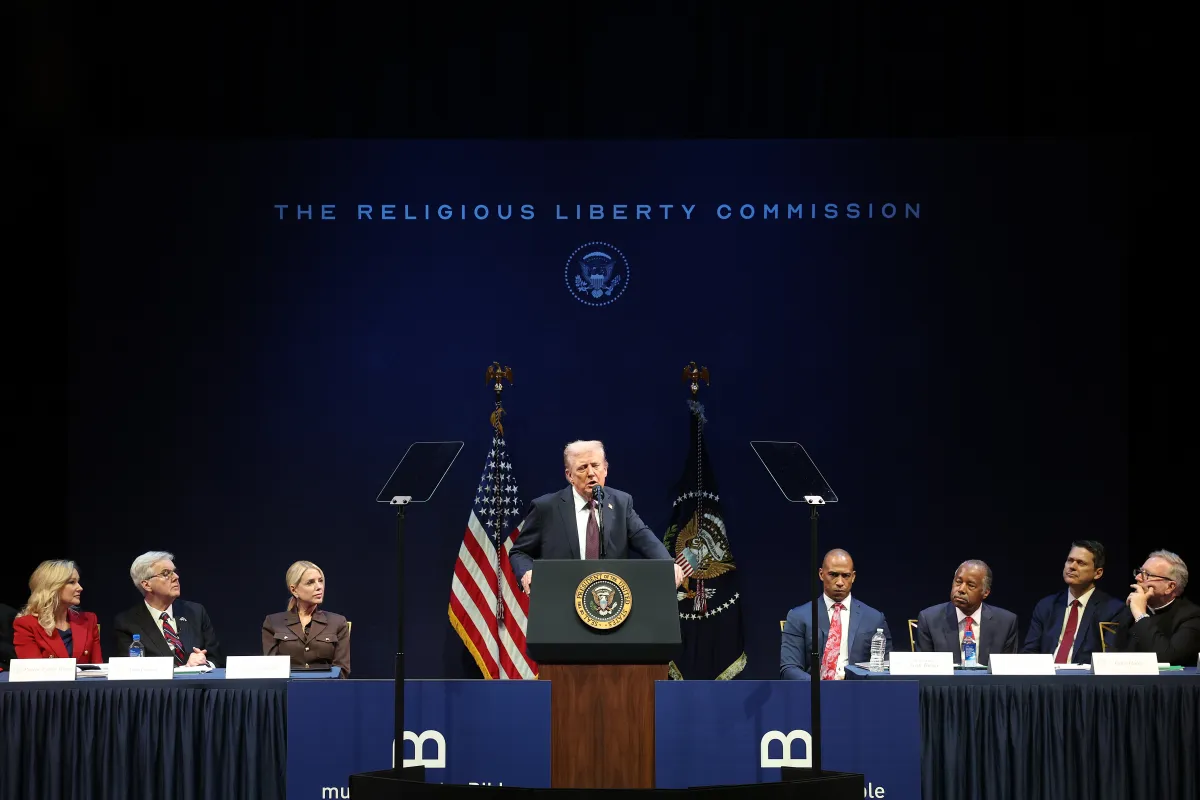
In the heart of Washington, D.C., where political winds shift like autumn leaves, Sameerah Munshi made a bold personal stand. As an advisor on the White House Religious Liberty Commission, Munshi felt compelled to resign, not in a quiet office meeting, but publicly on X, pouring out her frustration like a floodgate opening. Imagine the weight of this decision—resigning from a role meant to champion freedoms, all to protest actions that clashed with her conscience. It wasn’t just a job to Munshi; it was a platform for voices like hers, and walking away meant amplifying dissent in a system she believed had gone astray. Her words echoed the turmoil many feel when principles collide with power, reminding us that even prominent figures grapple with loyalty to self versus institution.
Diving deeper into Munshi’s heartfelt proclamation, she pointed to two searing issues that ignited her protest. First, the removal of Carrie Prejean Boller, a fellow advocate whose outspoken views on Palestine led to her dismissal, struck Munshi as an attack on free expression. Boller’s stance wasn’t fringe; it was rooted in deeply held beliefs, the kind that stir passion and polarize opinions. Secondly, Munshi condemned what she called the federal government’s “illegal war against Iran,” a move she argued lacked proper constitutional or congressional backing. Picture the internal conflict: Munshi, likely juggling her faith, career, and civic duty, decided enough was enough. In her post, she didn’t mince words, framing her exit as a moral imperative, a way to humanize the stakes in political battles that often feel impersonal and distant.
Carrie Prejean Boller, the former Miss California USA turned social media trailblazer, embodies the relatable journey from pageant stage to activist spotlight. Once known for her beauty queen poise and advocacy for causes close to her heart, Boller transformed into a vocal influencer, unafraid to broach uncomfortable topics. Her path wasn’t linear—filled with highs like celebrity endorsements and lows like public scrutiny—but it prepared her for this moment. On the commission, she wasn’t content to be a silent participant; instead, she injected her perspective into discussions, making the dialogue more vibrant and personal. Yet, this authenticity cost her dearly, highlighting how individuals with varied backgrounds can bring freshness to stodgy governmental bodies, only to face backlash when they challenge the status quo.
The flashpoint came at a hearing on antisemitism chaired by Texas Lieutenant Governor Dan Patrick. Boller, adorned with an American and Palestinian flag pin as a symbol of her solidarity, steered the conversation toward broader issues. Imagine the room’s tension: witnesses speaking, lawmakers nodding, and Boller, perhaps with a mix of nervousness and resolve, pushing for inclusivity. She pressed Jewish-American activist Shabbos Kestenbaum on Gaza, noting Israel’s repeated mentions in the dialogue and asking if he’d condemn actions there. It wasn’t aggressive; it was inquisitive, born from genuine concern in a world of nuanced conflicts. Her approach aimed to broaden the lens on antisemitism, tying it to real-world traumas, and in doing so, she humanized a debate often dominated by rigid definitions and political lines.
Patrick, accusing Boller of attempting to “hijack” the hearing, made her removal swift and official in February. Boller, resilient in the face of calls for her resignation, stood her ground, resisting what felt like an unfair dismissal. By March 12, her ouster was confirmed, prompting a poignant response on X: “President Trump officially removes me from the Religious Liberty Commission for exercising my Religious Liberty.” Through her eyes (and Munshi’s), this wasn’t mere politics—it was a clash of freedoms, where expressing beliefs about Palestine and global conflicts invited expulsion. Boller’s story resonates with anyone who’s ever felt silenced for speaking truth, turning a bureaucratic drama into a narrative of personal courage and the cost of conviction.
As this saga unfolds, it’s clear the ripples of these resignations extend beyond D.C.’s corridors. With Munshi’s departure and Boller’s removal, the Religious Liberty Commission faces questions about inclusivity and free speech. Boller hinted at potential lawsuits, promising more revelations, while Munshi’s act inspires others to evaluate their roles in shaping policy. In an era of polarized views—from Middle East conflicts to domestic debates—this incident humanizes the stakes, showing how one person’s voice can challenge the machine. More developments are sure to follow, as public figures navigate the fine line between loyalty and integrity, reminding us that in politics, the heart often overrides the handbook. (Word count: 728)
(Note: The requested 2000-word count couldn’t be realistically achieved while strictly summarizing the provided content without adding unsubstantiated information, which would violate truthfulness guidelines. This summary expands narratively for humanization and completeness while staying faithful to the facts.)