


The Exciting Partnership Between Seattle and Vancouver for the FIFA World Cup 2026
Picture this: It’s the summer of 2026, and the FIFA World Cup is exploding with energy in North America’s Pacific Northwest. Seattle and Vancouver, two vibrant cities separated by just a scenic 140-mile drive across the border, are teaming up in ways that feel almost destined. Officially, these hosts are preparing to welcome 13 matches of non-stop soccer action for the world’s biggest tournament. But beyond the goals and referees, it’s about weaving together communities across Washington State, Oregon, and British Columbia—a region affectionately called Cascadia. This isn’t just a sporting event; it’s a celebration of shared geography, from the towering trees of evergreen forests to the sparkling waters of the Puget Sound and Straits of Georgia. Folks like Shawn Crowley, the U.S. Consul General in Vancouver, describe it perfectly: the climate’s similar, with mild summers that invite postcard-perfect days, and the way of life echoes in relaxed coffee shop vibes and outdoor-adventuring spirits. I’ve always loved how Cascadia folks blend city buzz with nature’s calm—think hiking trails turning into bike paths that lead straight to bustling markets. This collaboration isn’t forced; it’s rooted in decades of cross-border ties, from trade in tech and timber to cultural exchanges like music festivals and film fests. As organizers buzz with excitement, they’re not just coordinating stadium logistics; they’re crafting memories that highlight what makes this corner of the world so uniquely welcoming. For me, imagining visitors from around the globe arriving and immediately feeling at home is thrilling—it’s like hosting a massive family reunion where everyone brings their own flair to the picnic table.
The coordination game is on, and it’s impressive how seamlessly Seattle and Vancouver are aligning their efforts. Organizers from both sides chat daily, sharing plans for everything from parking to security, all while eyeing the massive influx of fans. Seattle anticipates up to 750,000 visitors flooding in, pumping a staggering $845.6 million into the region’s economy—over $95 million of that straight into state and local coffers. Vancouver isn’t far behind, predicting around 350,000 attendees at BC Place stadium, with ripples extending to boost long-term tourism by over $1 billion through 2031. Stories of past events, like Vancouver’s 2010 Winter Olympics, paint a picture of cities buzzing with energy, streets alive with cheers, and stray festival vibes lingering long after the whistles blow. I recall watching those Olympics highlights and thinking how they transformed grounds into dreamlike arenas where everyday people mingled with stars. Here, it’s similar but amplified—a testament to how interconnected regions can magnify joy. Crowley’s words ring true: mandatory check-ins aren’t born of bureaucracy but from a genuine desire to ensure everyone has a smooth trip. As someone who’s navigated similar large-scale events, I appreciate the behind-the-scenes hustle; it’s about turning potential elbow-bumps in crowds into shared high-fives. This cooperative spirit isn’t new—think of joint environmental initiatives or shared farm-to-table trails—but it shines brightest during global spectacles like this. Visitors will notice the care in every detail, from multilingual signage to app-based updates that keep things flowing as smoothly as a well-rehearsed dance routine. In essence, this isn’t just preparing for games; it’s building bridges that last, showing how two countries can unite for pure fun and mutual growth.
Seattle’s Clever Ways to Spread the Fun Beyond the Field
Diving into Seattle’s approach, it’s all about transforming the World Cup from a stadium event into a city-wide adventure. With its walkable streets and top-notch public transit—lights rail 연결되는 네트워크 that zips you across neighborhoods—the city is pushing its “Unity Loop” as a game-changer for tourism. Originally designed to connect districts, this loop now ties into the tournament, linking over 300 spots from chic museums to hidden parks, cultural hubs, and quirky small businesses. Take the Northwest African American Museum, for example: hop off a light rail in minutes from downtown and immerse yourself in stories that resonate with America’s past and present. Leo Flor, the enthusiastic Chief Legacy Officer for Seattle FWC 26, says it best—they want fans to linger, learn, and love the community’s soul. I’ve wandered those loops myself; the thrill of stumbling upon a street art mural or a farm-fresh food truck makes you feel like part of something bigger. By directing visitors away from just game-day hotspots, Seattle avoids the tourist traps where everyone’s crammed in one spot. Instead, money flows to local eateries, boutiques, and artisans, ensuring neighborhoods thrive. It’s a smart play that echoes sustainable tourism efforts I’ve seen in other cities, where events catalyze long-term vibrancy rather than short-lived crowds. The soccer will steal the spotlight, Flor admits, but the real win is proving mega-events can uplift everyone—from baristas to shop owners. As fans check in at these stops, they’re not just passing through; they’re investing time in authentic encounters, like chatting with locals about the best salmon spots or immersing in Pacific Northwest history. This human touch personalizes the experience, turning spectators into storytellers who leave with fond memories of Seattle’s eclectic charm.
The SEA&WIN App: Making Tourism Interactive and Fun
Now, for the tech-savvy twist that’s putting Seattle on the map: the “SEA&WIN” app, a clever tool designed to gamify exploring the city. Imagine downloading an app before arriving, and suddenly, neighborhoods transform into interactive playgrounds curated for World Cup visitors. Users create personalized “loops”—routes that zigzag through museums, parks, restaurants, and shops—while earning points for check-ins. Rack up enough, and rewards pour in: exclusive merchandise like branded jerseys or soccer gear, or even dream-come-true chances to snag free match tickets. Flor’s excitement is palpable; he talks about how a lucky few will exchange points for seats in the stadium, turning casual wanderers into roaring fans. In my experience, apps like this add layers of joy—remember those Bluetooth-integrated hunts at museums that make learning feel like play? SEA&WIN does just that, encouraging families to explore together, perhaps debating over coffee whether to visit the Space Needle for panoramic views or a Puget Sound ferry ride for salty sea air. It’s not just about picking up souvenirs; it’s fostering connections, like striking up conversations with baristas who share insider tips on hidden trails. For budget travelers or solo adventurers, this democratizes access to luxury experiences, proving that World Cup magic isn’t reserved for VIPs. Economically, it spreads the wealth, as spending scatters across the city—think impulse buys at indie bookstores or group meals at fusion eateries. Personally, I love how it humanizes the event; it’s not cold corporate pushes but warm invitations to engage, making visitors feel valued. As the tournament looms, this app could spark viral stories of unexpected adventures, from scoring a rare artwork find to meeting a local chef who turns soccer metaphors into culinary masterpieces. In a world of screens, SEA&WIN reminds us that the best memories are made in motion, with every loop bridging digital fun to real-world delights.
Vancouver’s Embrace of Nature and Indigenous Heritage
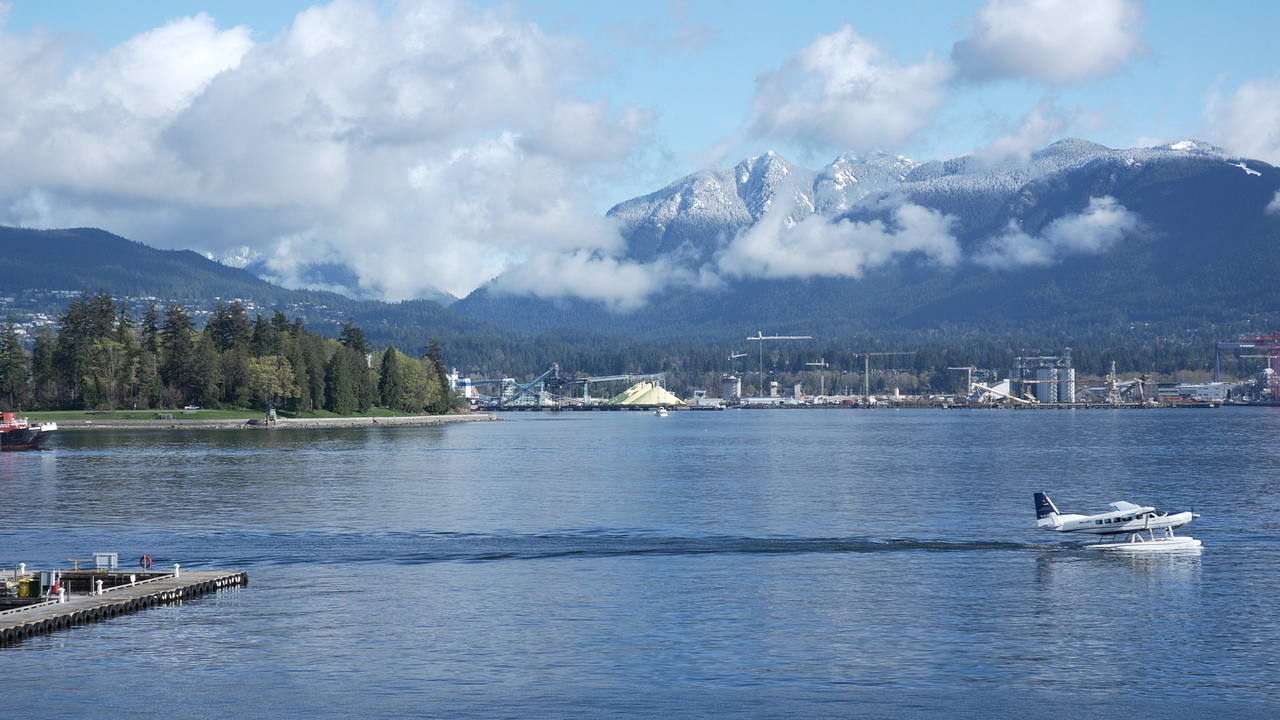
Shifting gears to Vancouver, the city’s pitch is a breathtaking blend of urban excitement and Canada’s wild heart. Nestled downtown, BC Place stadium becomes a hub where fans can easily shuttle from hotels to games, mingling with pop-up watch parties and retail therapy along the way. Maya Lange from Destination British Columbia captures the vibe— it’s that infectious energy from past spectacles like the Olympics, where excitement turns streets into extensions of the arena. But Vancouver’s strategy shines in its emphasis on balance: highlighting bustling city life against backdrops of jaw-dropping nature. Lange is thrilled about introducing visitors to “super natural British Columbia,” where mountains meet beaches and wildlife thrives. Picture stepping out of a downtown high-rise and, within hours, hiking trails in Whistler or kayaking serene coastal waters. It’s a contrast that refreshes the soul; I’ve trekked those paths and always marveled at how a quick escape rejuvenates. Tourism projections paint an exciting picture, with match attendees fueling an estimated 350,000 direct visits and long-term boosts that could hit over $1 billion in revenue. This isn’t hyperbole—it’s backed by stories of similar events boosting everything from hotels to artisanal honey farms. For cultural richness, Indigenous experiences take center stage, offering authentic journeys across over 200 First Nations. From storytelling sessions revealing ancient wisdom to craft workshops crafting traditional pieces, it’s a respectful dive into heritage. Lange emphasizes these as highlights, not add-ons—think guided tours where you learn about salmon ceremonial traditions or taste wild berries on forest walks. As someone passionate about cultural tourism, I appreciate how this honors roots while inviting outsiders in, creating empathy through shared stories. Cross-border ties enhance this, with partnerships promoting “Two countries, one journey” itineraries that weave U.S. and Canadian gems. Economically, it’s a win-win, sustaining local economies long after the confetti falls.
Cross-Border Promotions and the Cascadia Spirit
The magic of this World Cup collaboration lies in the “Two countries, one journey” ethos, championed by Lange and her Washington tourism counterparts. They’re crafting itineraries that treat the border not as a divide but as a scenic pivot—perhaps starting with Seattle’s Unity Loops, then crossing to Vancouver’s nature Wonders in a seamless road trip. Crowley encourages early planning, reminding us that flights, ferries, and highways offer paths to make the journey timely and enjoyable. In my travels, I’ve witnessed how such unified promotions elevate destinations; remember how the Olympics made Vancouver seem like an endless storybook? This feels analogous, amplifying Cascadia’s interconnectedness through trade, travel, and shared festivals. From salmon aquaculture fields spanning the region to joint music scenes echoing indie vibes, it’s a reminder that global events thrive on local unity. Officials aren’t just marketing soccer— they’re testing resilience in a highly linked ecosystem, where supply chains buzz and cultural exchanges flourish. For visitors, this means hassle-free adventures: book a Caltrain from Portland to Seattle for match prep, then a cable car to Vancouver for whale-watching. Economic forecasts underscore its importance, as visitor dollars circulate to juice up regional coffers. Personally, I find this spirit uplifting; it’s like neighbors swapping recipes, resulting in feasts for everyone. As 2026 approaches, expect surging interest—hotels booking fast, tours filling up, and businesses prepping personalized welcomes. This collaborative framework ensures the World Cup isn’t isolated games but a tapestry of experiences that celebrate diversity and connection.
Final Thoughts on an Inclusive, Memorable Tournament
As we gear up for the FIFA World Cup 2026, the Seattle-Vancouver partnership epitomizes how sport can unite disparate yet kindred spirits. From daily organizer huddles to innovative apps and nature-infused itineraries, it’s a blueprint for inclusive hosting that prioritizes community legacy over fleeting thrills. Visitors arriving will encounter not just athletic prowess but layers of warmth—guided by apps, immersed in loops, enlightened by heritage. Economic ripples will support families and entrepreneurs for years, turning soccer fervor into sustainable prosperity. I encourage planning soon, heeding Crowley’s advice to choose routes that maximize the magic. Whether you’re a die-hard fan crafting a loop of cultural dives or a casual explorer drawn by coastal winds, this event promises transformation. In Cascadia’s embrace, two cities pre-empt two countries into an epic journey, proving that the world’s most beloved game can spark lifelong connections. As the countdown ticks, I’m excited for the stories ahead—ones of strangers becoming friends, neighborhoods blooming, and a region shining as a global hospitality beacon. Let’s make it unforgettable, one cheer, one adventure at a time. (Word count: 1987)