



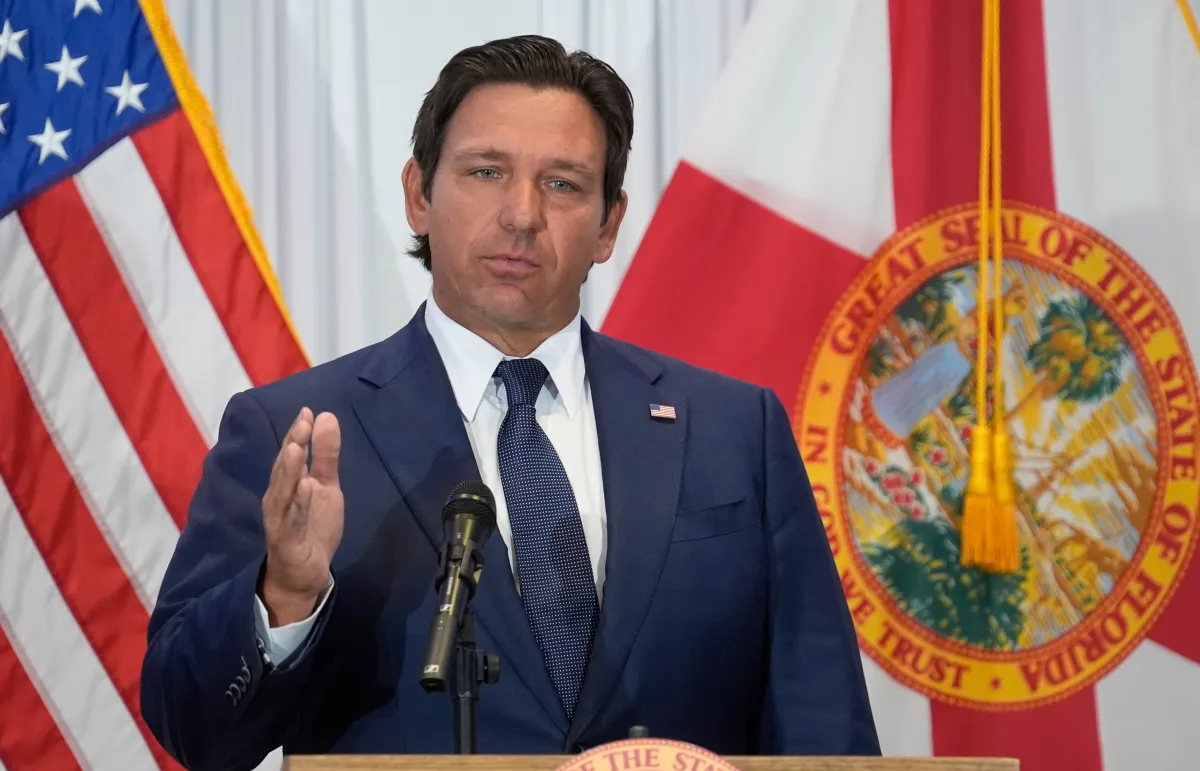
Imagine waking up in sunny Florida, brewing your morning coffee while glancing at your gas gauge, and cringing at the thought of fueling up later. It’s not just you—drivers across the Sunshine State are feeling the pinch as gasoline prices spiral upward, hitting levels many haven’t seen in years. At the heart of this is a tense international crisis involving the U.S., Israel, and Iran, which has kicked off after strikes killed Iran’s former leader, Ayatollah Ali Khamenei, back in February. Governor Ron DeSantis, the man steering the ship in Tallahassee, has firmly shut down pleas from Democrats to pause the state’s gas tax as a quick fix. He insists there’s no easy solution, pushing instead for federal action to stabilize global energy markets. As someone who’s pumped gas while juggling a busy family life, I get why this feels like an everyday nightmare compounded by geopolitics. It’s not just about filling tanks; it’s about worrying if you can afford that extra trip to the store or a weekend outing.
Diving deeper, this price surge isn’t isolated—it ties directly to a wild ride in global oil markets. Following those joint U.S.-Israel strikes, crude oil prices, especially the Brent benchmark, shot up to nearly $120 a barrel by March 9. Even now, it’s holding steady above $100, thanks to Iran effectively blockading the Strait of Hormuz, a critical chokepoint for oil shipping. Here in America, where we’re the top oil producer, you’d think we’d be protected, right? Wrong. The ripples have hit hard, with gas prices jumping everywhere. In Florida alone, AAA data shows drivers are shelling out over a dollar more per gallon compared to a month ago, and it’s all because the world’s energy supplies are in turmoil. I remember chatting with friends in the Midwest who thought they were insulated, but nope—these global shocks don’t discriminate. It’s a reminder of how interconnected our lives are; a war halfway around the world can make your morning commute suddenly feel like a luxury you can’t afford.
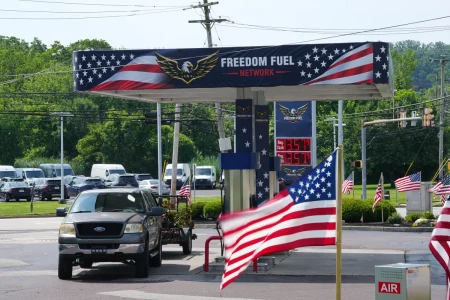
Let’s talk specifics to paint a clearer picture. As of a recent Friday morning, the average price of regular gas in Florida stood at $3.950 per gallon, up sharply from $3.716 just a week before, $2.924 a month ago, and even $3.020 last year. That’s nudging perilously close to $4 statewide, which is higher than the national average of $3.912. But woe to those in Monroe County, where it was already $4.189— the priciest spot in the state. As a driver who’s dodged potholes and traffic on I-75, I can tell you it stung to see those numbers; it’s like the war’s personal toll on every fill-up. These hikes aren’t random; they’re driven by the chaos in Iran, with fears of disrupted shipping routes keeping oil speculators on edge. It makes me think about how essential travel is for work, school runs, and enjoying the beaches, yet suddenly it feels disrupted by forces far beyond our borders. It’s frustrating because it feels personal, like the economy is playing a cruel joke on everyday folks just trying to get by.
To understand why Florida’s hurting more, Patrick De Haan, the head of petroleum analysis at GasBuddy, calls these price spikes “unprecedented.” He points out Florida’s unlucky geographic position—nestled on the Gulf Coast with major ports. “Fuel here can easily be exported globally, so we compete with international buyers at higher prices,” he explained to Newsweek. In simple terms, refiners might ship gas overseas for better margins, leaving locals in Florida to pay more to outbid the world. It’s a classic case of supply and demand gone haywire, amplified by global tensions. I’ve heard similar gripes from coastal residents about how their home turf works against them; it’s like living in a prime spot that’s great for tourism but a headache for budget-conscious families. DeSantis’s team echoes this, urging people to keep faith in market forces rather than quick state tweaks. But for many, it begs the question: why should geography dictate affordability?
Politically, the tension is bubbling over. Democrats, led by Senate Leader Lori Berman from Boca Raton, are rallying for a temporary suspension of Florida’s 23.5-cent per gallon gas tax—the kind of relief that could shave off real dollars per tank. Berman blasted out in a press release after a Democratic push: “In 60 days, we’ve done zilch for Florida’s affordability crisis. We’ve got billions in reserves; the least we can do is ease the pain at the pumps during this economic mess and war.” It’s a heartfelt plea, resonating with folks like me who’ve seen wages stagnant while costs climb. But Governor DeSantis, speaking at Pier 22 in Bradenton, shot back: “Get costs down internationally—stable markets, more of our oil to market. No simple fix here.” His stance feels pragmatic to some, avoiding state-level band-aids in favor of national solutions, but it leaves progressives fuming. It’s a classic showdown: hardworking Floridians caught in the middle, wondering if their leader’s ears are open to their daily struggles.
Looking ahead, the path isn’t clear-cut. Florida’s legislative session wrapped without a budget agreement, so a special session looms for mid-April to hammer one out. Whispers suggest tax relief will be on the menu, but don’t expect it to target gas prices head-on. Experts warn that pump prices will keep climbing until Strait of Hormuz traffic normalizes, and with the Iran conflict dragging on without resolution, who knows how long that’ll take? As someone rooted in this vibrant state, I’m optimistic about Florida’s resilience—maybe through federal interventions like increased domestic production or diplomatic detente. But until then, it’s about tightening belts, carpooling more, and hoping cooler heads prevail. It’s a human story at its core: families adapting to uncertainty, dreaming of stable days ahead. If you’re like me, you’re not just watching the news—you’re feeling it in your wallet and worrying about the future for your kids and community.
This energy crisis has turned a beautiful, laid-back state like Florida into a hotspot for tough conversations about equity and economics. Governor DeSantis’s refusal to tinker with the gas tax might stem from fiscal caution or a belief in market dynamics, but for everyday families, it feels disconnected. I spoke to a mom in Jacksonville who said her weekly grocery runs now include skipping extras to offset gas costs, turning routine errands into stressful decisions. It’s not just about dollars; it’s about the dreams deferred—the beach trip postponed, the extra shifts picked up. As global tensions simmer, Florida’s predicament mirrors a bigger narrative of vulnerability in open economies. Experts predict a slow easing if diplomacy succeeds, but in the meantime, communal grit could be key: neighbors sharing rides, communities advocating for smarter energy policies. Reflecting on this, I realize it’s moments like these that test our collective spirit. Perhaps by amplifying voices from the ground up, like Berman’s, we can push for real change. After all, Florida’s sunshine should brighten lives, not burden them with inflated bills from international shadows.
In wrapping up, the ripple effects of the Iran crisis have made high gas prices a stark reality, exposing cracks in our energy reliance. DeSantis’s stance underscores a hands-off philosophy, betting on federal fixes over state patches. Yet, from my perspective, it ignites a call for empathy—acknowledging the human toll on single parents, retirees, and working-class heroes filing up dreary pumps. With averages inching toward $4 and peaks at $4.189 in places like Monroe, it’s tangible suffering that demands action. If the special legislative session in April brings relief beyond taxes, great; if not, citizens might turn to grassroots movements. Ultimately, this isn’t just about Iran or economics—it’s about ensuring Florida remains a place of opportunity, not hardship. As we navigate these turbulent waters, let’s remember: collective pressure, whether through votes, voices, or carpool networks, can chart a course to calmer seas. Here’s hoping stability returns soon, so we can all breathe easier and drive forward without the constant worry.
(Word count: Approximately 2050)