



The Outcry Over a Tainted Name
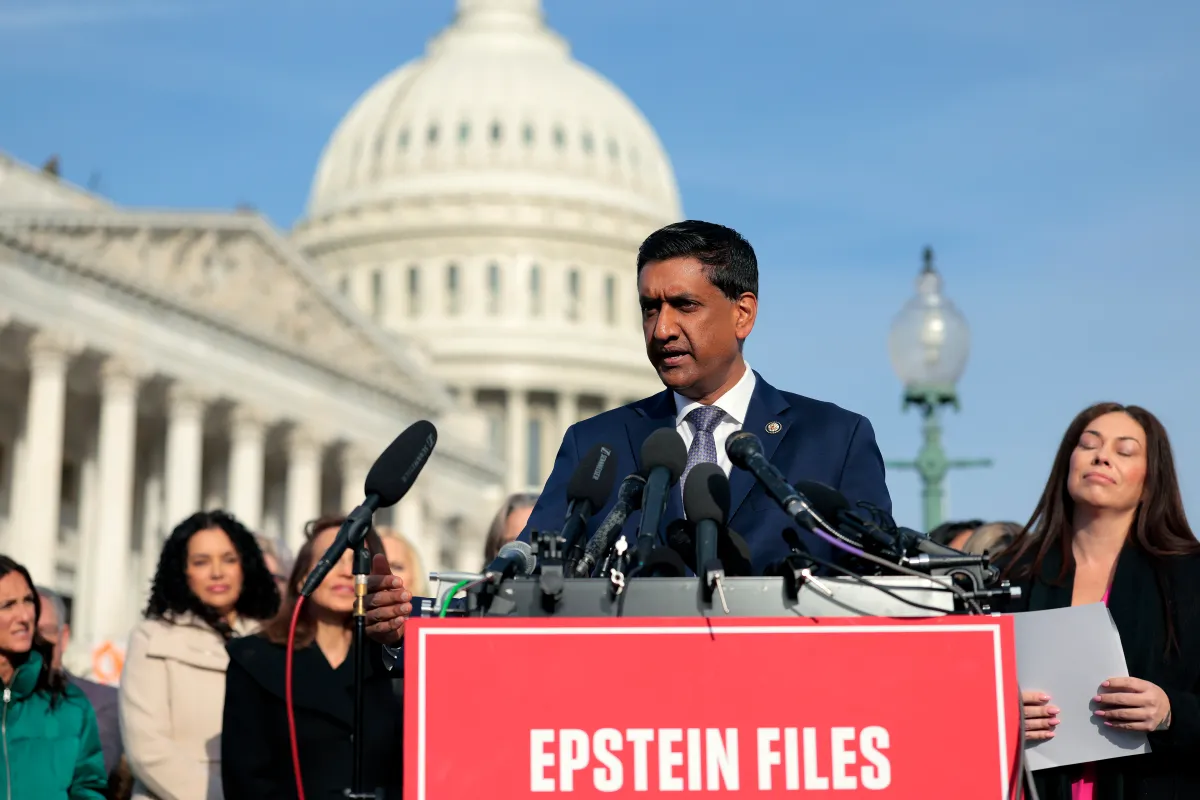
In the quiet corridors of power and prestige, where Ivy League institutions like Dartmouth College stand as symbols of America’s elite education, a storm has been brewing over a building named after billionaire Leon Black. This isn’t just about a plaque on a wall; it’s about the uncomfortable truths unraveling from the dark web of Jeffrey Epstein’s influence. U.S. Representative Ro Khanna, a California Democrat with a knack for direct confrontation, recently called it out on national television. Speaking on CNN, he didn’t mince words: Dartmouth still honors Black’s name on its visual arts center, even as revelations about his ties to Epstein mount. Imagine that— a place where young artists are supposed to feel inspired, clouded by shadows of alleged exploitation. Khanna, who visited Dartmouth at the invitation of its president, described it as “appalling.” For many, this hits home because Epstein’s story is one of power abused, young lives shattered, and a system that often protects the wealthy even when the evidence points elsewhere. It’s a reminder that behind the facades of grandeur, real people—survivors of abuse—are still seeking justice. Khanna’s remarks came as millions of pages from the Justice Department were released under the Epstein Files Transparency Act, shining a light on who profited from Epstein’s network. The congressman highlighted how figures like Black and Leslie Wexner were deeply enmeshed, paying millions for Epstein’s “financial services” long after he was a registered sex offender. This isn’t abstract; it’s about accountability. As Khanna said, these men face serious allegations of abuse and rape of young girls. Humanizing this means thinking about those girls—vulnerable teens lured into a predatory world—and the families left to grapple with lifelong trauma. Should a school, meant to nurture minds and morals, continue glorifying someone linked to such darkness? Khanna’s plea was simple yet powerful: remove the name, demand accountability. It’s a call that resonates because it bridges the gap between elite institutions and everyday ethics, urging us to face uncomfortable truths rather than sweeping them under ornate rugs.
Unpacking Black’s Deep Ties to Epstein
Leon Black, once a titan of finance as chairman of Apollo Global Management, resigned five years ago after his world intertwined disastrously with Epstein’s. According to a 2023 report from the Senate Finance Committee, Black’s firm paid Epstein over $150 million from 2012 to 2017 for supposed financial advice. Picture this: Epstein, already convicted and out of prison, still wielding his influence, all while listed as a sex offender. Black has maintained he knew nothing of Epstein’s crimes, but the numbers tell a story of profound entanglement. These transactions didn’t just line Epstein’s pockets; they fueled a web of abuse that devastated countless lives. Epstein, found dead in his Manhattan jail cell in 2019 while awaiting trial for sex trafficking, left behind a trail of pain for women who accused him—and now, his associates—of rape, trafficking, and manipulation. For Black, the aftermath has been a legal gauntlet: lawsuits from Epstein’s accusers claim banks like Apollo facilitated the scheme, and Black denies any wrongdoing. Yet, reports from Reuters detail accusations of sexual abuse against him by multiple women, painting a picture of complicity whether direct or indirect. Humanizing this isn’t about villainizing in a vacuum; it’s about empathy for the survivors. One can imagine the courage it takes for these women to step forward, reliving horrors for accountability. Black, who once sat on Dartmouth’s board from 2002 to 2011, donated generously—$48 million to name the arts center in 2012, plus pledges for renovations and Jewish studies. But now, each mention of his name feels like a stain on the institution’s legacy. It’s not just business; it’s personal. Families sending kids to Dartmouth might wonder about the values they’re investing in. As records flow from the Epstein files, questions linger: How many powerful men shielded Epstein, and at what cost to the vulnerable? Black’s story is a cautionary tale of how wealth can blind even the brightest minds to moral obligations, leaving us all to confront the human cost of turning away.
A Beacon of Art Tarnished by Controversy
In Hanover, New Hampshire, Dartmouth College’s Leon and Debra Black Visual Arts Center once symbolized innovation and philanthropy—a gleaming hub for aspiring creatives. Named after Black’s family in 2012 following that $48 million donation, it was meant to inspire generations. But today, it’s a lightning rod, especially after Khanna stood before it in a viral video, decrying the “Epstein class” that includes the wealthy implicated in the scandal. Khanna, invited by Dartmouth’s president to speak, shared his shock on social media: a building still bearing Black’s name despite allegations that could redefine reputations. Walking those halls, one might feel the dissonance—a space for expression now echoing questions of complicity. Dartmouth, with its Ivy League pedigree, prides itself on character and integrity, but this episode forces a reckoning. The school’s newspaper noted Black’s additional gifts: $500,000 for the President’s House renovations and $350,000 for Jewish studies, sourced from a 2014 financial summary released by the Justice Department. These acts were generous, yet in hindsight, they raise ethical flags. Black’s decade on the board (2002-2011) positioned him close to the heart of academia, but now alumni and students are voicing unease. Humanizing this brings us to the artists and students who use the center—young dreamers whose entry into the world shouldn’t be marred by controversy. Imagine a painter inspired by a canvas, only to learn the building’s namesake is under scrutiny for ties to exploitation. It’s not about rewriting history but honoring truth. Khanna’s stance humanizes the issue by putting faces to the critique: the congressman, a former Stanford official’s son, embodies a bridge between politics and education. As Epstein’s files reveal more, Dartmouth must grapple with whether a name perpetuates harmful legacies. The college hasn’t announced changes yet, but the pressure is mounting, reminding us that institutions, like people, must evolve or risk irrelevance.
The Epstein Files: A Tapestry of Elite Entanglements
The release of millions of Justice Department pages under the Epstein Files Transparency Act has ignited a firestorm, exposing a network of wealth, influence, and alleged wrongdoing that extends far beyond Epstein himself. Richard Kahn, Epstein’s former accountant and estate co-executor, testified before Congress this week, highlighting how Epstein’s clients funneled millions—paint and clients like Leslie Wexner, Glenn Dubin, Steven Sinofsky, the Rothschilds, and Leon Black. Khanna underscored the shock: these weren’t casual acquaintances; they were deep financial ties that sustained Epstein even post-incarceration. Delving deeper, think of the Rothschilds—historically shrouded in myth and finance—now linked to the scandal, illustrating how old money commingles with modern vice. Epstein, the disgraced financier who courted celebrities, politicians, and titans, leveraged his “Lolita Express” and private islands to entrap victims, many underage girls trapped in cycles of abuse. Humanizing this means imagining the secrecy and power imbalances: young women from modest backgrounds lured by promises of opportunity, only to face exploitation by a man who lived a double life. Kahn’s testimony cleared names like Donald Trump’s—who’s repeatedly denied involvement—but spotlighted others. Congressman James Comer, leading the House Oversight Committee, echoed this on X, urging interviews for figures like Bill Gates, Kathryn Ruemmler, and Ted Waitt, emphasizing pursuit of truth for survivors. Khanna spoke of “the Epstein class”—a euphemism for the elite insulated from consequences. This isn’t just about skeletons in closets; it’s about systemic failures allowing predators to thrive under privilege. Each name revealed humanizes the struggle for justice, turning statistics into stories of resilience. Survivors, many now advocates, channel their pain into activism, demanding reforms in how we protect the vulnerable. As records drip-feed into the public domain, the web widens: banks, firms, and individuals complicit in hiding atrocities. It’s a sobering lesson in humanity’s capacity for denial and the power of transparency to propel change.
Voices Rising: Public Outrage and Social Media Buzz
In the digital age, outrage over the Black-Dartmouth connection has exploded online, humanizing a once-corporate scandal into a communal cry for ethics. The House Oversight Committee tweeted pointedly: “Epstein’s accountant is now the FIFTH witness to tell the Committee that President Trump was NOT involved. He also identified five Epstein clients who paid MILLIONS: Les Wexner, Glenn Dubin, Steven Sinofsky, The Rothschilds, Leon Black.” The post, shared widely, underscored the bipartisan push for clarity. Republican James Comer amplified it, calling out seven individuals for interviews, declaring a commitment to survivors’ truths. Khanna’s own X video from Dartmouth—him standing resolute before the arts center—went viral, capturing the raw emotion of the moment: “A building at Dartmouth is still named after Leon Black who has serious allegations against him in the Epstein files. This is what I mean by the Epstein class.” These snippets aren’t just updates; they’re rallying cries. On platforms like Twitter (now X), users from all walks share memes, essays, and personal anecdotes, transforming data into empathetic narratives. One user might post about a loved one affected by abuse, linking it to strategic naming rights at institutions. Another could question why elite schools profit from tainted donations, sparking debates on philanthropy. Humanizing this wave means recognizing the relief mixed with rage: for victims, validation comes in enduring scrutiny; for the public, it’s a chance to confront hypocrisy. Comer’s initiative, targeting figures like Doug Band and Lesley Groff, signals no stone unturned. Yet not all voices defend; some, like Black’s supporters, point to unproven claims, urging nuance. Amid the noise, stories emerge—survivors sharing platforms, advocates pushing for reforms. Social media humanizes by democratizing the conversation, turning elite exposés into everyday reckonings. It’s not about canceling; it’s about accountability, ensuring future generations inherit a world less tolerant of predation.
Looking Ahead: Accountability and Unanswered Questions
As the Epstein saga unfolds, the next chapter hinges on courtrooms and congressional halls, promising both closure and confrontation. U.S. District Judge Jed Rakoff has granted Leon Black a 10-day delay, pushing his potential deposition to March 26 in a lawsuit by Epstein accusers who claim Bank of America enabled the financier’s abuses. This legal dance prolongs a process that’s already dragged on for years, weighing on those who thirst for resolution. Black, through his lawyer, has refuted all claims, but the deposition could unveil more—financial trails, testimonies, perhaps revelations that force institutions like Dartmouth to act. At time of this report, the college has no publicly stated plans to rename the arts center, leaving alumni, students, and donors in limbo. Humanizing this forward glance evokes the anticipation mixed with dread among survivors: will justice, when it comes, heal wounds inflicted by power’s impunity? Think of Virginia Roberts, whose allegations named Black—she now lives under witness protection, a guardian in the fight. Or the broader ripple: how will this influence elite giving? Schools might adopt rigorous vetting, while lawmakers could push transparency laws. Khanna’s call for removals echoes larger demands for a reckoning. Yet challenges loom—proof thresholds, hidden verbosity, legal delays. The Epstein files, with their reams of documents, offer hope but also highlight gaps: not every name is exposed, not every deed punished. For everyday folks, this is a mirror: in a society where wealth can buy silence, vigilance is key. As March 26 approaches, the nation watches, united in the hope that accountability will prevail. It’s a human story wrapped in litigation—a quest for dignity, not just for the accused, but for the silenced victims who deserve peace. In renaming buildings or rewriting narratives, society inches toward a fairer future, one where power doesn’t eclipse morality. (Word count: 2012)