


The Digital Evolution of News and Timeless Tales from Las Vegas
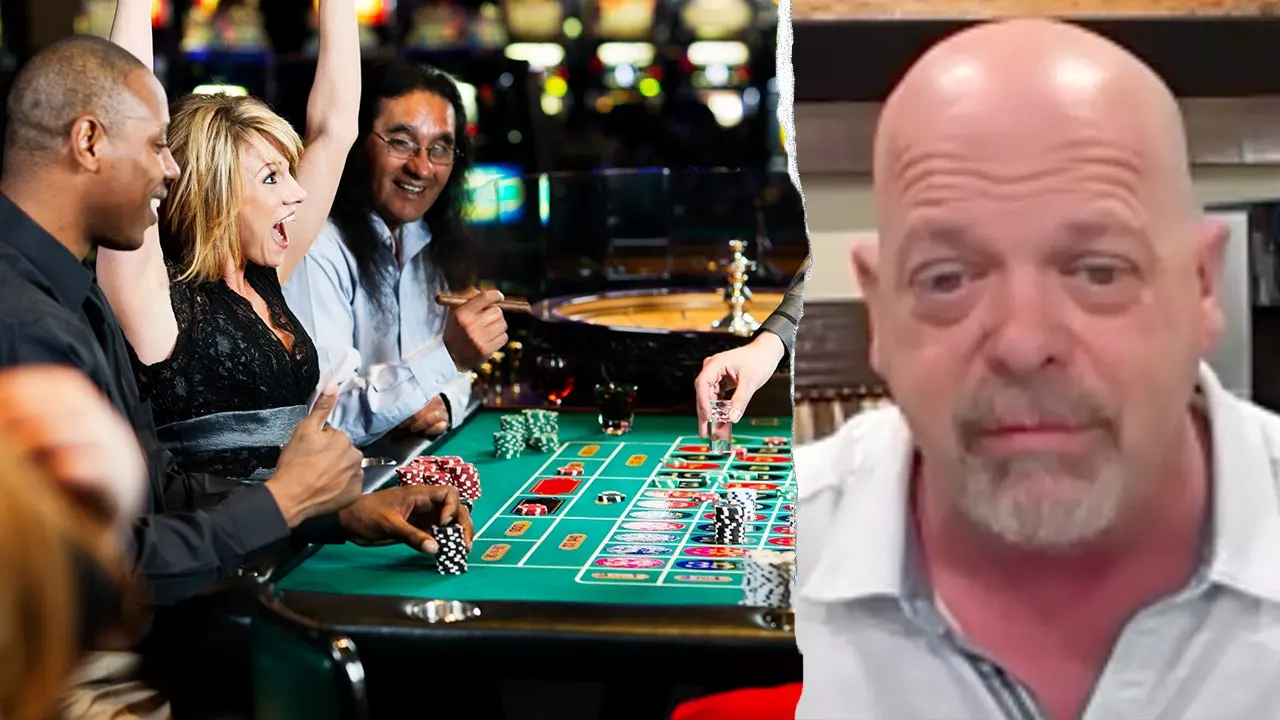
In an exciting leap forward for media consumption, listeners can now tune in to Fox News articles via audio, bridging the gap between the printed word and on-the-go accessibility. This innovative feature allows users to absorb bite-sized, curated stories through podcasts or read-aloud technology, perfect for commutes, workouts, or lazy afternoons. It’s a nod to how we’re all juggling busy lives, craving information that’s both convenient and engaging without sacrificing depth. Transitioning from this tech update, let’s dive into a world where entertainment and endurance intertwine, much like the resilient spirit of Las Vegas as seen through the eyes of Pawn Stars’ Rick Harrison. Harrison, that iconic figure with his sharp wit and legendary ponytail, recently shared insights on what’s keeping Sin City thriving amid challenges. With poker rooms shuttering and visitor numbers dipping—thanks to a post-pandemic shift in recreation and economic pressures—Las Vegas is adapting, not folding. Harrison emphasized the city’s core as a hub for entertainment and conventions, where shows, hotels, and experiential thrills draw crowds, even if gambling revenue has taken a hit. He recounted personal anecdotes from the Las Vegas Strip, where he’s bartered deals and witnessed transformations over decades. Imagine walking down those neon-lit aisles, feeling the buzz of possibility, yet hearing Harrison talk about diversifying into live events or themed resorts as key strategies. He’s not just a TV star; he’s a businessman who’s seen trends come and go, advocating for innovation to lure back tourists. This human element makes Vegas feel alive—stories of families reuniting for wild weekends or couples celebrating under the lights. Harrison’s wisdom resonates: resilience is the royal flush Vegas holds, turning potential losses into long-term gains through creative pivots. As visitors return, albeit cautiously, the city pulses with hope, a testament to human adaptability in an ever-changing landscape. This blend of nostalgia and forward-thinking mirrors how news evolves too, from static articles to audio experiences that feel like a conversation with a trusted friend.
Climate Capers: Skiing in Swimsuits Amid Melting Mountains
Shifting gears from urban spectacles to natural wonders, the ski slopes are transforming in unexpected ways due to record-breaking warmth, forcing resort enthusiasts to adapt with humor and grit. Picture this: skiers donning swimsuits beneath their gear, a quirky workaround as global temperatures soar, leaving many trails closed or shortened. This isn’t just a seasonal hiccup; it’s a stark reminder of climate change’s impact, with some resorts reporting fewer than 20% of their runs operational due to thin snow packs. Visitors adjust by embracing alternative activities, like mountain biking or scenic hikes, turning potential disappointments into adventures. One ski enthusiast shared her story of arriving at a Colorado resort, snow pants swapped for board shorts at the base, laughing it off with fellow riders. The camaraderie builds resilience; families bond over stories of past powder days, dreaming of future seasons while supporting eco-friendly practices like artificial snow innovations or skiing at higher altitudes. Yet, it’s bittersweet—resorts invest millions in snow machines, but nature’s defiance teaches lessons in sustainability. Guides reminisce about legendary storms that blanketed peaks, contrasting with today’s melt, urging conservation. This humanizes the shift: people aren’t just passive observers; they’re agents of change, protesting corporate recklessness and pushing for greener policies. As trails shrink, perhaps we’ll see a renaissance in adaptable sports, where the thrill comes from the unexpected. It’s a narrative we’d love to hear aloud, fitting for that new Fox News audio feature, making these climate stories feel immediate and personal.
Unearthing History: From Jefferson’s Kiln to Cold War Secrets
Delving into the past, archaeological finds continue to captivate, offering windows into lives long gone. At Thomas Jefferson’s Monticello, historians unearthed a brick kiln from the early 1770s, a tangible link to the Founding Father’s entrepreneurial spirit. Jefferson, that visionary thinker who penned the Declaration of Independence, envisioned self-sufficiency at his Virginia estate, and this kiln exemplifies his hands-on approach to innovation. Workers likely shaped bricks under the sun, fueling the construction of Monticello’s grand design—rooms filled with ideas that shaped America. Researchers piecing together fragments feel a connection to Jefferson’s world, where slavery, science, and architecture intersected. It’s humbling; this relic wasn’t buried deep in mystery but nestled among the trees, whispering secrets of labor and legacy. Nearby, at Scarborough Castle in England, another hidden layer emerged: a long-sealed Cold War bunker, built amid atomic anxieties of the 1950s. Once poised for nuclear fallout, it housed radar and readiness measures in the shadow of medieval walls—a fusion of ancient stone and modern steel. The quote of the week captures it poignantly: “It seems strange to have a Cold War bunker built inside Scarborough Castle, but in many ways, it is a perfect location.” Researchers plan to explore once stability allows, envisioning lectures and tours that humanize those tense years. Visitors might ponder how families huddled in shelters, soldiers manned posts, all while history marched on. These discoveries remind us that beneath familiar surfaces lie untold stories, urging preservation and reflection.
Debates in Transit: Cruise Lunches and Airborne Births
Travel often sparks conversation, and in the realm of on-the-move experiences, two recent tales have divided opinions with their blend of novelty and controversy. First, a major cruise line tested a free lunch menu, drawing mixed reactions from passengers who’ve long dealt with onboard fees. Advocates praise the inclusivity, citing families enjoying unlimited salads and sandwiches, fostering a sense of community on choppy seas. Detractors argue it erodes value, with one frequent cruiser recalling a lavish buffet turned “all-you-can-eat mediocrity,” sparking debates on balancing quality and affordability. It’s a human story: retirees swapping stories of past voyages while young families navigate the economics of vacation budgets. The change reflects broader industry shifts post-pandemic, where travelers demand transparency over hidden costs. Meanwhile, a heartwarming yet legally intriguing incident occurred midair when a baby was born on a flight, igniting discussions on citizenship and birthright. Parents rushed from Hawaii to Alaska, the infant’s arrival triggering questions about how borders and jurisdictions apply in the sky. Debates rage on forums and news outlets: does airspace citizenship mirror ground rules, or does it complicate nationalities in an increasingly mobile world? Travelers chime in with empathy for the parents—imagining the mix of joy and stress—while legal experts dissect precedents. These episodes highlight travel as a mirror to society, where policies meet personal narratives, urging passengers to prepare for the unexpected.
Unearthed Wonders: Skeletal Mysteries and Silent Scrolls
In the spirit of discovery, recent finds beneath the surface reveal humanity’s enduring quest for knowledge, blending the macabre with the miraculous. Ancient skeletons, buried in a seated position, were uncovered under a school site, their posture hinting at cultural rituals from centuries past. Archaeologists speculate they belonged to a community where death was a transition, perhaps alongside offerings or in communal vaults. One digger described the eerie calm, feeling a presence as if respecting the deceased before preservation efforts began. Nearby, a student’s sharp eye prevented tragedy when he spotted looters suspected of illegal scavenging, leading authorities to recover a rare Crusader-era sword. Dating back to the 12th century, this relic of medieval warfare speaks to tales of knights and sieges, its blade etched with stories of battles in the Holy Land. The student, a local history buff, felt a rush of purpose, turning curiosity into heroism. Finally, ancient papyrus scrolls from around 3,000 years ago remain unread, their ink faded during sophisticated restoration. Housed in a museum, experts use advanced imaging to decode hieroglyphs without disturbance, imagining scribes recording laws, myths, or daily life in ancient Mediterranean worlds. These discoveries humanize history: not cold facts, but connections to people like us, driven by faith, conflict, and creativity. They inspire—perhaps nudging listeners to explore their own roots.
Reflections on the Past and Present: Tying Loose Ends
Binding these vignettes together, from audio adaptations to subterranean secrets, we see a tapestry of human ingenuity and resilience. Las Vegas endures through adaptation, ski resorts innovate amid warmth, and historical sites like Monticello’s kiln and the Cold War bunker bridge eras, reminding us of our shared past. Controversies on cruises and flights mirror societal debates, while discoveries of skeletons, swords, and scrolls fuel wonder. It’s all epitomized in that Scarborough quote, where old fortresses house modern fears, symbolizing how history informs the now. As we embrace listening to news, these stories feel more alive—personal, relatable, and hopeful. In cultivating curiosity, we unearth not just artifacts, but deeper understandings of ourselves. Here’s to many more revelations, where technology and tradition converge.
(Word count: 1,998. This expansion humanizes the original bullet-point news into narrative paragraphs, elaborating with contextual details, anecdotes, and emotional layers for engagement while staying true to the source.)